
Petra is a highly skilled, tertiary-qualified counsellor with almost 10 years experience supporting clients' mental health. Insightful and altruistic, Petra creates a safe space to support her clients to lead more fulfilling lives.


Treatment
If you are looking for treatment for anorexia it may help to read a client’s story about recovery. The story below is offered to help you identify issues you may be facing and whether you may be able to benefit from therapy.
You can also go to this page to read an overview of the causes of anorexia and counselling options.
We see people for eating and body image concerns at our Ryde, Miranda and Surry Hills practices, and online.

Every clinician here works with eating disorders.
Petra is a highly skilled, tertiary-qualified counsellor with almost 10 years experience supporting clients' mental health. Insightful and altruistic, Petra creates a safe space to support her clients to lead more fulfilling lives.
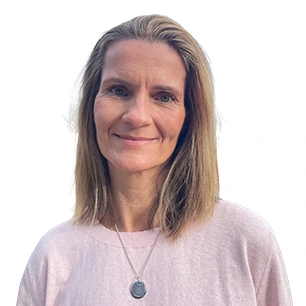
Silvia is a Registered Counsellor & Psychotherapist with qualifications in counselling, psychology and Somatic Experiencing®. Compassionate and supportive, Silvia works with individuals to manage life’s challenges.
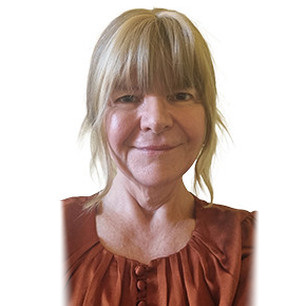
Rose is a Masters-qualified counsellor and Registered Mental Health Social Worker with over 20 years experience. Working with both individuals and couples, Rose empowers her clients to enhance their wellbeing and achieve their goals.

Neera is a Masters-qualified psychotherapist. Empathetic, thoughtful and intuitive, Neera works with individuals to strengthen their identity and reshape patterns.
Individuals ✓

Sue is a Masters-qualified counsellor. Compassionate and authentic, Sue supports individuals to better understand the interplay between their internal world and their external relationships.
Individuals ✓After hours ✓
Not sure who to choose?
Weekdays 9am to 6pm, a person answers
After hours, or any time
We have practices across Sydney, the coast and the Illawarra, and a full telehealth team. Our intake specialists know who works with what, and they will point you to the right person, whether that is near home, near work or online.
Step 1
Call us weekdays between 9am and 6pm and one of our intake team picks up. They will ask what is going on and talk you through the options before you commit to anything.
Step 2
The fit between you and your therapist is the strongest thing we know of for making therapy work. We match on what you are facing, the approach you prefer, gender, language and how far you can travel.
Step 3
We confirm your booking in writing so that you know when and where you’ll be meeting your new therapist.
For as far back as she could remember, Tracy had been on a diet. Her mother was extremely body conscious and often spent hours looking at fashion magazines and shopping for the latest clothing they could afford on their budget. Often, her mother would turn to Tracy and say, “when you grow up, you should look like this,” or “there is nothing better than being thin enough to look fabulous.”
Even in jest, her mother would poke at Tracy’s little girl tummy and tease her about having baby fat. When she was at school, Tracy only ate what she felt she had to at lunch. (This article is electronically protected, Copyright © Associated Counsellors & Psychologists Sydney PTY LTD)
As Tracy moved into early adolescence, she continued her dieting habits. She would exercise for hours on end in order to make up for a tiny spoonful of peanut butter that she allowed herself to eat at lunch.
Although her parents required her to sit down to a family dinner, she became skilled at moving her food around, so that it looked like she was eating, when really all she was doing was rearranging the food on the plate. As soon as she could make a graceful exit, she would hide in the bathroom and make herself vomit anything she had been forced to eat.
One day, when Tracy was almost 17, she fainted while out with her friends. She was surprised when she woke up in the hospital and realised that not only did she have an IV attached to her arm, but that there was a tube down her throat.
She was horrified when she heard her parents arguing about a feeding tube forcing her to get enough nutrition to stabilise her weight. She felt oddly detached from her body, but she still felt sufficiently aware to know that she did not want to be force-fed anything that might make her gain any weight.
When she was released from the hospital, 5 kgs heavier, she was not allowed to go home, but instead was sent to a residential treatment centre for anorexia and other eating disorders.
Although the psychologists, counsellors and therapists were kind and understanding, she resented being forced to attend a treatment program for something she very clearly did not have a problem with in the first place. (This article is electronically protected, Copyright © Associated Counsellors & Psychologists Sydney PTY LTD)
Daily counselling sessions were required and Tracy was visited by a psychiatrist who prescribed a course of antidepressants for her stay at the treatment centre.
Tracy expressed concern over the number of calories that would be included in the pills, but she was assured by the doctor that there were no calories in the medications. The doctor even took the time to show her the pamphlet for the medication, which clearly stated that there were no calories in the pills.
Once her weight stabilsed, Tracy was allowed to go home. Her parents insisted that she continue to see a counsellor on a weekly basis. Sometimes Tracy listened and responded to her counsellor’s queries, and occasionally she just tuned out.
It did seem odd to Tracy, though, the extent to which her counsellor seemed to ‘get’ her mother’s obsession with looks and the sense that Tracy had held, for a long time she now realised, that she had little control over her life. Her counsellor asked to bring in some photos of herself as a child and now, and she was shocked to recognise, for the first time, just how thin she really was.
As Tracy grew physically stronger and began to understand more about her family and how she needed more and more control over her own life, she began to slowly eat a little more each day. It was hard, but she was beginning to understand that she needed food to live, and she definitely wanted to live.
Her relationship with her mother worsened during this period. She felt angry and upset at her mother’s constant concern with fashion and appearance and she started to blame her for what she was slowly beginning to realise was a distorted body image of her own. (This article is electronically protected, Copyright © Associated Counsellors & Psychologists Sydney PTY LTD)
Slowly, but surely, Tracy gained a little weight and began to understand her illness better. She knew that she still had a long way to go, and that she would likely have problems with her weight and body image issues for a long time to come, but she had also begun to develop some control over her eating patterns, and over her life.
Initially, Tracy did not understand at all that she had a problem relationship with food and how strongly she had been influenced by her mother’s attitudes and beliefs about food and body image. In many cases, anorexic clients do not understand or realise when we are young just how much of an influence our parents have on our own attitudes about food and other important aspects of life.
Tracy, like most young girls, wanted her mother’s attention and approval, but no matter how hard she tried, she did not feel she had earned it or was worthy of it. She developed an obsession with being thin. In order to achieve maximum results, Tracy monitored every calorie that passed her lips and made sure that the calories were burned off as soon as possible, either by vomiting or through excessive exercise.
It was only when Tracy’s body was no longer able to sustain itself and she found herself in hospital, suffering severe malnutrition, that it became clear to everyone, including Tracy, that she had a problem.
Until that point, she had been very good at hiding her disordered eating habits from her family and her friends, and to a large degree, from herself. (This article is electronically protected, Copyright © Associated Counsellors & Psychologists Sydney PTY LTD)
When Tracy was placed in a hospital, she was initially resentful. She did not believe she had a problem and she was sure that she didn’t belong in treatment for anorexia or any other eating problem.
But as she eventually became receptive to the quiet and compassionate talk of her counsellor, she became aware that she shared many things in common with other clients at the centre who suffered from anorexia.
Her counsellor helped her realise that she felt out of control of almost every other aspect of her life; that she had a mother who pressured her about her weight and body size; that she restricted her food intake and felt good about being in control of this; that she got rid of calories in any way possible; that she felt she had to be perfect in order to be loved; and that she felt like she could not stop dieting.
As Tracy became healthier, she was ready to confront her mother and talk to her about her role in the development of her anorexia. With the help of her counsellor, she was able to express herself for what may have been the first time in her life. It was overwhelming, but it felt good to be heard.
Tracy continued to have regular visits with her nutritionalist and GP, to ensure that her weight was monitored. She also continues to see her counsellor to ensure that her emotional needs are supported and she doesn’t let her anorexia reduce her to near-starvation ever again. (This article is electronically protected, Copyright © Associated Counsellors & Psychologists Sydney PTY LTD)
Anorexia nervosa is a serious mental disease with significant medical and physical repercussions. It requires specialist knowledge to recognise the health implications and risks, and to cultivate treatments for clients. Anorexia treatment will normally require ongoing management by a medical practitioner in conjunction with therapy with a professional psychologist. It may also require a period of in-patient treatment.
Eating disorder specialists utilise a range of approaches toward resolving problematic behaviour in anorexics.
Counselling is highly recommended as a way to combat anorexia. This type of therapy involves direct discussion and exercises between a client and their counsellor, to help you understand what anorexia is and how it affects the body physically and emotionally. Individual counselling can also address the client’s obsessive desire for control, their perception of social expectations of themselves, as well as their personal expectations surrounding body weight.
Anorexia is an illness that often requires substantial and ongoing counselling support. Most importantly, the physical implications of anorexia must also be managed to ensure that the client’s life is not at risk.
If you or someone you know is suffering from anorexia, you or they will normally require ongoing management by a GP whilst receiving counselling, or may require a period of in-patient treatment. Associated Counsellors & Psychologists offers an eating disorder service. For more information or to schedule an appointment with one of our clinicians, please contact Associated Counsellors & Psychologists Sydney
No referral is needed to start. For Medicare rebates, ask your GP about a Mental Health Treatment Plan. Please speak to our team about your options.
Most new clients are seen within days, sooner by telehealth. Many of our practices offer early morning, evening and weekend appointments, and our intake team will find the times that suit you.
Yes, you can choose either. You can see a clinician at one of our practices across Sydney, the coast and the Illawarra, or by video from anywhere in Australia, and many clients switch between the two.
Your clinician listens to what’s brought you in, asks about your goals, and agrees to a plan with you. There is never any pressure to share more than you’re ready to.
Sessions run for 55 minutes, and the fee depends on who you see. Counsellors start from $150, social workers and psychologists from $200, and clinical psychologists from $230. With a GP Mental Health Treatment Plan, a Medicare rebate may apply to sessions with a psychologist or a registered mental health social worker, so please speak to our staff about your options.
These are the things people come to us for.

Worry you cannot switch off, or panic that arrives out of nowhere.

Flat and exhausted, with no interest in things you used to enjoy.

Arguments that go round in circles, or drifting apart and not knowing how to talk about it.

We’ll help you spot triggers, slow the surge, and choose what happens next.

Drinking, drugs, gambling or porn that has got out of hand.

Days that feel chaotic, with everyday tasks harder than they should be.

Things that happened years ago that still affect how you feel now.

Compulsive sex or pornography use, and the issues that trigger it.

After a death, a diagnosis, or the end of something that mattered.

The full list of things our clinicians work with, across every practice and online.
Every clinician is fully registered and insured, and bound by their professional association's Code of Ethics, as our counsellor guarantee sets out.
Not sure which suits you? Speak to our team about your options.
Book with Sydney’s most trusted network
With a wealth of experience and a board of certified professionals, you know you’re in safe hands.
★★★★★Booking was quick and easy. They responded to my inquiry online and was able to make a suitable appointment quickly.
★★★★★The bookings procedure and how the appointment works was explained clearly and the lady was patient enough talking to me.
★★★★★Super useful from the get go, they talked me through things and suggested multiple practitioners who suited what I needed!
Reviews are shown as written, about our booking and matching service.
Like all addictions, sex addiction can be defined as a compulsive pursuit of something which eventually does harm to the addict and their relationships with family and friends.
View page →Are you worried about the amount of time you are spending surfing porn online?
View page →Like most addictions, gambling addiction is a state where a person continues a certain behaviour to a harmful extent without being able to stop themselves from continuing.
View page →
Pre-Marriage Counselling gives you and your fiance a formal environment in which to discuss your expectations of married life.
View page →Emotional and psychological abuse is generally subtle, it’s most often achieved through words, innuendo and gestures, and it’s subtlety can make it difficult to identify.
View page →Choose a region to see its practices, their addresses and who works there.
Registered Counsellor
Petra is a Registered Counsellor and member of the Australian Counselling Association (ACA) with experience in various roles across the healthcare industry. She holds a Diploma from the Australian Institute of Professional Counsellors and a Graduate Diploma in Relationship Counselling, as well as advanced accreditations in grief & loss, addiction, abuse and eating disorders.
Petra has worked extensively with a diverse range of individuals across multiple organisations in both the aged care, clinical and charity sectors. Through her time at the Butterfly Foundation, Petra empowered her clients through evidence-based therapy to help them overcome negative eating patterns. Petra also has specific experience treating complex mental health in elderly clients, supporting them through issues such as trauma, grief and cognitive decline. Prior to her commencing a career in counselling, Petra worked in various roles within the corporate space, collaborating and liaising with an assortment of professionals, helping shape the person-centred approach she utlises in therapy today.
In private practice, Petra’s focus is to meet and understand where individuals are at in their lives, and best support them using a variety of therapeutic modalities including Cognitive Behavioural Therapy (CBT), Solutions Focused Therapy, ACT, Strengths Based Therapy and Narrative Therapy. In her sessions, Petra assists her clients in a range of concerns, including anger management, depression, anxiety, relationship concerns, grief & loss, self-esteem issues, workplace stress, as well as more complex mental health including eating disorders and addiction.
Petra is an insightful and altruistic counsellor, who believes everyone is unique in their counselling needs and, as such, aims to personalise each session to the individual. Creating safe, supportive and confidential spaces for people to engage, Petra uses empathy and understanding to support her clients in their mental health journey and onto more fulfilling lives.
Counsellor
$150 to $220
fee range, per 55-minute session
Please ask for the exact fee when you call.
No referral is needed, so you can start straight away. This fee does not attract a Medicare rebate. See the full fee table
Registered Counsellor
Silvia is a Registered Counsellor and Psychotherapist with the Psychotherapy and Counselling Federation of Australia. She holds a Graduate Diploma in Counselling from the Australian College of Applied Psychology (Sydney), a Bachelor of Psychology and Sociology from Greenwich University (London) and is currently working towards full certification as a Somatic Experiencing® practitioner with Somatic Experiencing® International.
Silvia’s journey of connecting with her authentic self, self-discovery and curating conscious relationships inspired her to help others navigate their own challenges. She has since obtained experience in various mental health settings including for Not-for-Profit organisations, in-patient services at South Pacific Private Hospital, as a grief counsellor, and as a school counsellor.
Silvia brings a wealth of knowledge, insight and life experience to her work in private practice. She is experienced working with a wide range of concerns including depression, anxiety, stress, addiction, trauma, bereavement, self-esteem, anger management, life transitions, addictions, eating disorders and relationship issues. Silvia also has expertise in group facilitation and regularly facilitates programs on wide-ranging topics such as emotional regulation, negative core beliefs, co-dependency and parenting. Silvia’s work has been featured in Australian magazines including Marie Claire, Women’s Weekly and Body + Soul.
As an Integrative and Trauma-Informed therapist, in her work, Silvia draws on various approaches, including Gestalt Therapy, Psychodynamic Therapy, Somatic Experiencing® techniques, and Family Systems Therapy. She also draws on Attachment Theory, Polyvagal Theory, Inner Child Work, and Mindfulness-based techniques.
Silvia is a warm, supportive and compassionate counsellor, who tailors her approach to meet the unique needs and circumstances of each client. She is passionate about fostering a sense of self, healing relational wounds and conflicts, and resolving unfinished business from the past through a safe and caring therapeutic relationship.
Silvia can help to guide you to foster resilience, cultivate inner balance and develop new ways of responding to life’s situations.
Counsellor
$150 to $220
fee range, per 55-minute session
Please ask for the exact fee when you call.
No referral is needed, so you can start straight away. This fee does not attract a Medicare rebate. See the full fee table
Counsellor & Couple Therapist
Rose is a Registered Mental Health Social Worker with over 20 years of experience providing counselling and psychotherapy to individuals and couples. She holds a Clinical Master of Counselling and a Graduate Diploma in Adult Psychotherapy.
Rose has worked in a number of different counselling settings, including private practice, community health setting, private psychiatric hospitals and university counselling services. Working within these settings has allowed Rose to gain experience across a broad range of presentations including anxiety, depression (including post-natal depression), grief and loss, phobias, divorce and separation, relationship issues, past and recent trauma, bullying and harassment, and study difficulties.
Rose has particularly extensive experience assisting clients with trauma. She has worked with veterans experiencing severe Post-Traumatic Stress Disorder (PTSD), women who have experienced domestic violence, and survivors of child physical, sexual or emotional abuse.
Rose takes a primarily psychodynamic approach to therapy, and has completed specialised Trauma Therapy training using Cognitive Behavioural Therapy (CBT) and Eye Movement Desensitisation and Reprocessing (EMDR). She believes that our emotions and behaviour are affected by our social environment, and aims to work towards the liberation and empowerment of her clients to enhance their wellbeing.
Rose endeavours to develop a close working alliance with her clients, helping them toward achieving their short term or longer term goals.
Counsellor
$150 to $220
fee range, per 55-minute session
Please ask for the exact fee when you call.
No referral is needed, so you can start straight away. This fee does not attract a Medicare rebate. See the full fee table

Registered Psychotherapist
Neera is a registered counsellor, psychotherapist, accredited professional coach, facilitator and educator with over 25 years of experience in the wellbeing space. As an experienced personal and professional development practitioner, she has more recently integrated her knowledge and formal qualifications in mindfulness, wellbeing and executive coaching into her role as a professional counsellor. Neera holds a Masters of Counselling & Psychotherapy and a Graduate Diploma in Counselling from Australian College of Applied Professions and a Graduate Certificate in Organisational Coaching & Leadership from Charles Sturt University.
Neera’s experience includes working in private psychiatric hospital settings, corporate settings, and now private practice. Her approach is also informed by a long term meditation practice and Jungian Analysis experience. As such, her approach to her work as a counsellor is trauma sensitive and attachment based, employing mindfulness, dream work and somatic (body based) awareness, where appropriate. Drawing on these skills, Neera is able to assist clients through a range of concerns, including life transition and change, grief and loss, attachment disorders, identity and personality issues, relationship issues and substance abuse, as well as anxiety, depression, stress and work-related concerns.
Neera has a warm, intuitive style and integrative counselling approach, drawing on decades of working with people. Neera works with clients by helping people make sense of their story and by grounding their sense of self in core values and purpose.
Counsellor
$150 to $220
fee range, per 55-minute session
Please ask for the exact fee when you call.
No referral is needed, so you can start straight away. This fee does not attract a Medicare rebate. See the full fee table

Registered Counsellor
Sue is a Registered Counsellor and Psychotherapist and a member of PACFA (Psychotherapy & Counselling Federation of Australia). She holds a Graduate Diploma in Counselling from ACAP University College in which she was National DUX, and a Masters of Counselling and Psychotherapy.
Prior to starting a private practice, Sue worked in hospital settings where she gained significant experience in a broad range of presentations including trauma, addiction, anxiety, depression, grief and loss, and relationship issues. In this role she facilitated group therapy sessions as well as one-on-one trauma-informed psychotherapy sessions, and also facilitated patient workshops and lectures. Sue has also worked with renowned experiential trauma programme facilitators across the United States, United Kingdom and Australia.
When working with clients, Sue takes an integrative, trauma-informed and person-centered approach. She also uses a psychodynamic relational model and employs the dynamic interplay between internal world and relational experiences. At times, Sue will also engage creative techniques, narrative therapy and Gestalt therapies to facilitate new ways of processing and expressing feelings.
Prior to her work as a counsellor, Sue worked for 25 years running creative businesses in both design and recruitment where she honed her ability to tailor innovative solutions to individual needs, and build trust-based relationships - skills she now brings to her therapeutic practice.
Sue is compassionate and an authentic counsellor, focussed on creating a supportive environment for her clients to promote personal growth and recovery. Sue is passionate about helping her clients reconnect with their sense of self and purpose.
Counsellor
$150 to $220
fee range, per 55-minute session
Please ask for the exact fee when you call.
No referral is needed, so you can start straight away. This fee does not attract a Medicare rebate. See the full fee table


