
Wade is a tertiary-qualified Registered Counsellor with almost a decade of experience across hospital, community and private-practice settings. Warm and grounded, Wade works with individuals, creating a trusting space to allow for deep reflection.


Counselling, in person or online.
Emotional psychological abuse
• Emotional and psychological abuse tends to take the form of insults, cut-downs, intimidation and bullying.
• No one enters a relationship expecting it to be abusive, emotional and psychological abuse tends to develop subtly over time, slowly eroding the victim’s self-confidence
• Abuse only stops when it is understood and confronted. Sometimes the abuse doesn’t stop, in which case the abusive relationship may need to end
We see people at our Surry Hills, Bondi Junction, Miranda, Campbelltown and Dee Why practices, and online.

Wade is a tertiary-qualified Registered Counsellor with almost a decade of experience across hospital, community and private-practice settings. Warm and grounded, Wade works with individuals, creating a trusting space to allow for deep reflection.
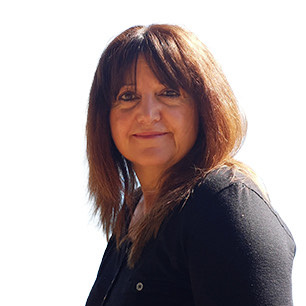
Revi holds a Master of Social Work (Counselling) and has over 20 years experience counselling both individuals and couples. Compassionate and client-centred, Revi is passionate about helping her clients navigate life’s challenges.
Individuals ✓Couples ✓After hours ✓Hebrew ✓

Neera is a Masters-qualified psychotherapist. Empathetic, thoughtful and intuitive, Neera works with individuals to strengthen their identity and reshape patterns.

Petra is a highly skilled, tertiary-qualified counsellor with almost 10 years experience supporting clients' mental health. Insightful and altruistic, Petra creates a safe space to support her clients to lead more fulfilling lives.
Individuals ✓After hours ✓

Atia is a degree-qualified counsellor with over 15 years experience working with individuals and couples. Compassionate and supportive, Atia supports her clients to develop self-awareness, empowering them to improve their wellbeing.
Individuals ✓Couples ✓Weekends ✓Czech ✓

Neri is a Masters-qualified counsellor and psychotherapist with over 10 years experience working with both individuals and couples. Compassionate and insightful, Neri empowers her clients to transform their lives and relationships.
Individuals ✓Couples ✓After hours ✓Vietnamese ✓

Sue is a Masters-qualified counsellor. Compassionate and authentic, Sue supports individuals to better understand the interplay between their internal world and their external relationships.
Individuals ✓After hours ✓

Jonathan is a tertiary-qualified counsellor with over 10 years experience working with adults and adolescents. Authentic and compassionate, Jonathan provides practical support, equipping clients with the skills and capacity to be their best.
Individuals ✓Weekends ✓

Jenna is an Accredited Mental Health Social Worker with over 15 years' experience across government health services and private practice. Warm and trauma-informed, Jenna works with individuals and couples to build safety, understanding and stronger connection, and build more secure connections with themselves and others.
Individuals ✓Couples ✓After hours ✓

Daniela is a Registered Psychologist with over 20 years’ experience. Warm, empathetic and deeply humanistic, she creates a space where clients feel genuinely heard, challenged and empowered to make meaningful change.
Individuals ✓Weekends ✓Portuguese ✓
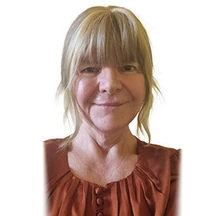
Rose is a Masters-qualified counsellor and Registered Mental Health Social Worker with over 20 years experience. Working with both individuals and couples, Rose empowers her clients to enhance their wellbeing and achieve their goals.
Individuals ✓Couples ✓
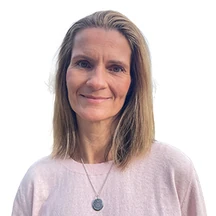
Silvia is a Registered Counsellor & Psychotherapist with qualifications in counselling, psychology and Somatic Experiencing®. Compassionate and supportive, Silvia works with individuals to manage life’s challenges.
Individuals ✓After hours ✓

Andrea is a Registered Psychologist with over 20 years experience working with individuals and couples. Andrea helps her clients process and regulate their emotions, working with mind and body to sustain long-lasting change.
Individuals ✓Couples ✓Weekends ✓German ✓

Di is a Masters-qualified counsellor with over 10 years private practice experience. Empathic and collaborative, she works alongside her clients to make sense of what they are facing and find a way forward.
Individuals ✓Couples ✓
Theodora is a Registered Psychologist with over 10 years of experience, working with both individuals and couples. Warm and compassionate, Theodora helps her clients make sense of their experiences and build stronger, more secure relationships.
Individuals ✓Couples ✓Weekends ✓Greek ✓
Ali is a Masters-qualified counsellor with over 15 years of experience. Calm and compassionate, Ali works with individuals and couples, helping them feel safe, understood and better equipped to move forward.
Individuals ✓Couples ✓Weekends ✓Arabic ✓
Alexandra is a degree-qualified counsellor and relationship therapist with 15 years of experience across government and not-for-profit services. Accepting and down-to-earth, Alexandra works with individuals and couples, inviting clients to come as they are and work towards meaningful change.
Individuals ✓Couples ✓Weekends ✓Greek ✓

Claire is a Masters-qualified Registered Counsellor and Psychotherapist working with individuals and couples on relationships, attachment and emotional wellbeing. Warm and collaborative, she creates a supportive space for clients to work through what feels difficult, at their own pace.
Individuals ✓Couples ✓Weekends ✓

Mike has a Doctorate in Clinical Psychology and over 20 years experience working with individuals and couples. His success as a counsellor is consistently demonstrated by the deep clinical relationship he has with clients.
Individuals ✓Couples ✓After hours ✓

Graciela is a Masters-qualified counsellor with over 15 years experience working with individuals and couples. With a gentle approach, Graciela helps her clients develop awareness and gain control of their lives and relationships.
Individuals ✓Couples ✓Weekends ✓Spanish ✓

Naomi is a Registered Psychologist with over 20 years experience. Warm, empathetic and client-centred, Naomi works with individuals and couples to draw on their strengths to overcome difficulties. She is Gottman certified.
Individuals ✓Couples ✓
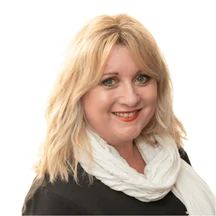
Megan is a Registered Counsellor with extensive experience supporting individuals and couples. Warm and empathetic, Megan uses an evidence-based, person-centred approach to help clients gain insight and create meaningful change. She is also an Accredited Mediator.
Individuals ✓Couples ✓After hours ✓

Christine is a tertiary-qualified counsellor with over 20 years experience working with individuals and couples. She emphasises a collaborative approach to therapy, working with the client as an active partner in their treatment.
Individuals ✓Couples ✓Weekends ✓
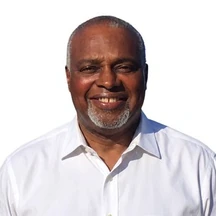
Howard is a Registered Psychologist with over 25 years experience working with individuals, couples and families. He uses a practical but supportive approach, aiming to assist his clients to achieve their goals as quickly as possible.
Individuals ✓Couples ✓Weekends ✓

David is a Masters-qualified Clinical Psychologist. Warm, authentic and non-judgemental, David supports his clients by carefully attuning to their needs, and imparting practical skills to build emotional insight and wellbeing.
Individuals ✓After hours ✓

Dinah is a degree-qualified counsellor with almost 10 years experience. Empathetic and optimistic, Dinah works in partnership with her clients, empowering them to bring about positive change and feel happier in their lives.
Individuals ✓After hours ✓

Paul is a Registered Psychologist and SIRA-accredited practitioner with a background in the corporate space. Empathetic and personable, Paul is dedicated to supporting meaningful change in the lives of his clients.
Individuals ✓After hours ✓
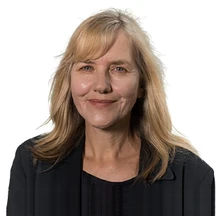
Jennifer is a Masters-qualified counsellor with many years of experience. Collaborative and process-orientated, Jenny works with both individual and couples clients to develop healthier relationships with themselves and with others.
Individuals ✓Couples ✓After hours ✓

John is a tertiary-qualified counsellor and one of our most experienced therapists. John works with individuals and couples to build awareness of the patterns behind their decisions and lead more empowered and fulfilling lives. He is Gottman qualified.
Individuals ✓Couples ✓

Gaul is an Accredited Mental Health Social Worker with over 17 years experience supporting individuals, couples and families, in hospital settings and private practice. Transparent, curious and collaborative, he works in partnership with his clients.
Individuals ✓Couples ✓

Peter is a Registered Psychologist who works with individuals and couples. Practical and empathetic, Peter helps clients uncover what drives their thoughts and feelings, so they can trade self-judgement for self-compassion and make lasting change.
Individuals ✓Couples ✓

Chris is a Masters-qualified Counsellor and Psychotherapist who works with individuals and couples. Open and empathetic, Chris draws on his clients’ curiosity, creativity and inherent strengths to make a meaningful and empowering difference in their lives.
Individuals ✓Couples ✓After hours ✓

Laura is a Masters-qualified counsellor with extensive experience. Known for her warm and grounded presence, Laura helps individuals, couples and parents to uncover their own capacity for healing and meaningful change.
Individuals ✓Couples ✓Weekends ✓
Daniel is a tertiary-qualified counsellor with over 10 years of experience, working with both individuals and couples. Easy to talk to and quick to build trust, Daniel recognises each person’s strengths and helps them gain greater agency in their lives.
Individuals ✓Couples ✓After hours ✓
Pauline is a Registered Counsellor with almost 20 years of experience in both New Zealand and Australia. Warm and caring, Pauline works with individuals, couples and families, helping them build understanding and stronger connections.
Individuals ✓Couples ✓Weekends ✓
Sharon is a Registered Psychologist with over 15 years experience. Curious and supportive, Sharon looks beneath the distress rather than settling on a label, helping clients understand themselves and make lasting change.
Individuals ✓After hours ✓
David is a Registered Psychologist with more than 20 years of experience working with leaders and the organisations they run. Thoughtful and attentive, David helps his clients reconnect with a sense of purpose and belonging.
Individuals ✓Weekends ✓
Not sure who to choose?
Weekdays 9am to 6pm, a person answers
After hours, or any time
We have practices across Sydney, the coast and the Illawarra, and a full telehealth team. Our intake specialists know who works with what, and they will point you to the right person, whether that is near home, near work or online.
Step 1
Call us weekdays between 9am and 6pm and one of our intake team picks up. They will ask what is going on and talk you through the options before you commit to anything.
Step 2
The fit between you and your therapist is the strongest thing we know of for making therapy work. We match on what you are facing, the approach you prefer, gender, language and how far you can travel.
Step 3
We confirm your booking in writing so that you know when and where you’ll be meeting your new therapist.
Emotional and psychological abuse is generally subtle, it’s most often achieved through words, innuendo and gestures, and it’s subtlety can make it difficult to identify. Victims of emotional abuse might not even recognise that they are being abused until they are somehow able to see their experience from an objective viewpoint or until someone else gives it a name.
Emotional abuse can take the form of:
• Verbal insults and insinuations
• Verbal aggression
• Bullying
• Undermining confidence
• Intimidation and power play
• Isolation from family and friends
No one walks into a relationship searching for or hoping for abuse, and very few of us wouldn’t baulk at the idea of an abusive relationship. So how does it happen and why can’t we just walk away?
Emotional or psychological abuse tends to be fairly insidious activity that often starts with something mild like a small put-down or an aggressive rebuke. Subtle behaviour such as this tends to confuse the victim’s boundaries and understanding of what is acceptable, and what is unacceptable. If such negative behaviour is repeated, constantly, then it starts to weaken our sense of self and undermine confidence.
Often without even realising it, the emotional abuse the effect of impeding our ability to stand up for ourselves when we think something might be wrong. In this way, emotional abuse weakens our resolve and our capacity to walk away from the situation or relationship.
Unfortunately, it is not uncommon for people who experienced abuse as children to find themselves in similarly abusive relationships as adults. The emotional and psychological abuse suffered as a child robs the person of their self-confidence and sets up an expectation that emotional abuse is the norm. At some level, victims expect that they will be treated badly because they believe they deserve such treatment.
One of the best ways to stop this type of abuse is to stand up for ourselves and tell the person to stop. This is, of course, easier to say than do!
And if the relationship, and/or the abuse itself, is longstanding, then we have likely grown accustomed to being treated in this way and probably accept the behaviour to a large degree. Of course, standing up to the abuse may not stop it, and further action may be required. This may include taking leave of the relationship.
Working with a relationship counsellor, psychologist or therapist can assist you with this process, and help you on the journey back to self-confidence and emotional health. Professional counsellors and therapists have specific training, knowledge and experience working with abusive relationships and can help victims develop strategies to keep themselves safe and to reconstruct their sense of self.
Additionally, a professionally trained counsellor can help you gain the strength you need to make any big decisions, and support you in those decisions. This is particularly valuable if you are wishing to leave an abusive relationship.
Families and relationships do not exist in a vacuum. Instead, they exist in a system in which every person has their role. As a result when one person in the system changes everyone else is thrown out of kilter. So, when an abuser works to change his or her abusive behaviour, or is not being abusive, the relationship invariably shifts.
In these circumstances, the victim may find themselves feeling off centre and anxious because they do not know what to expect from their partner. A common response to this loss of expectation is an attempt to provoke the abuser, encouraging the abuser to return to the very same behaviour the victim has been trying to change.
This is the “change-no-change-back” cycle. It may happen several times over the course of a relationship as a couple or family with an abusive history as they attempt to mend their relationships and develop a healthy family life.
If you or a loved one is involved in a relationship that involves emotional and psychological abuse you may benefit from talking to a professional counsellor, psychologist or therapist. If you would like to schedule a consultation or receive further advice, please contact us at Associated Counsellors & Psychologists Sydney
Sophie’s Story

Sophie was 25 when she first met James. She fell ‘head over heals’ in love with him on their very first date and over the next year, he was romantic and thoughtful at all times. Sophie was thrilled to marry the man of her dreams. Once married, however, James seemed to change.
He never hit her, but then he never missed a chance to verbally cut her down to size either. He insulted her for not finishing her college degree and for working as an administrative assistant, he degraded her by calling her insulting names in front of his friends, he oftened called her stupid. He never seemed to stop.
Her family noticed that Sophie was a diminished version of herself when she was with James. She seemed to let herself be browbeaten into jumping up to meet his every need and never once stood up for herself when, clearly (in their mind) he was out of line in the way he talked to her.
Soon, Sophie wasn’t calling very often and the family visits stopped entirely. She had no friends any longer and all of her time was spent either at work or with James.
When a co-worker overheard a conversation Sophie had with her husband one day, she told Sophie that she didn’t seem really happy. When Sophie admitted that the her marriage was difficult, her colleague gave her the name of a professional counsellor.
Sophie was fearful what James would say if he knew she was going to see a counsellor, but she felt like she needed to do something to restore her sense of self. Sophie contacted the counsellor and was able to arrange an appointment during her lunch hour, so that there would be no need to explain her absence to James.
When Sophie met Debbie, she was relieved to find that Debbie simply listened quietly to her as Sophie explained the reasons for making the appointment. She felt a sense of calm and control that she hadn’t felt in quite some time.
Debbie carefully explained how she worked and let Sophie know that her job was to help Sophie sort out her feelings, rebuild her confidence, and provide a safe space for her to talk without any judgments or assumptions.
Over the next several months, Debbie listens carefully to Sophie’s story and to her emotions. She notices how bright Sophie’s face is when she talks about that first year of being with James and comments at how much in love Sophie had been with James during that time.
Sophie agrees and wonders if that is the reason she has allowed James to pull her down so far. She begins to cry and feel like her life is a huge mess. Debbie reassures her that her problems with James do not make her a bad person.
As Sophie slowly gains her confidence back, she begins to unconsciously change how she interacts with James. When he demands attention, she delays responding. When he throws an insult at her, she simply turns and leaves the room. He is baffled by her change of attitude, but doesn’t know how to react to it either.
Finally, Sophie admits to James that she has been seeing a therapist and that she wants a change in their relationship. She would like James to attend couples counselling with her, but if he refuses to go, she understands but their relationship will be forever damaged.
To her great surprise and joy, James is prepared to address her issues and agrees to make an appointment with a relationship counsellor recommended by Debbie.
No referral is needed to start. For Medicare rebates, ask your GP about a Mental Health Treatment Plan. Please speak to our team about your options.
Most new clients are seen within days, sooner by telehealth. Many of our practices offer early morning, evening and weekend appointments, and our intake team will find the times that suit you.
Yes, you can choose either. You can see a clinician at one of our practices across Sydney, the coast and the Illawarra, or by video from anywhere in Australia, and many clients switch between the two.
Your clinician listens to what’s brought you in, asks about your goals, and agrees to a plan with you. There is never any pressure to share more than you’re ready to.
Sessions run for 55 minutes, and the fee depends on who you see. Counsellors start from $150, social workers and psychologists from $200, and clinical psychologists from $230. With a GP Mental Health Treatment Plan, a Medicare rebate may apply to sessions with a psychologist or a registered mental health social worker, so please speak to our staff about your options.
These are the things people come to us for.

Worry you cannot switch off, or panic that arrives out of nowhere.

Flat and exhausted, with no interest in things you used to enjoy.

Arguments that go round in circles, or drifting apart and not knowing how to talk about it.

We’ll help you spot triggers, slow the surge, and choose what happens next.

Drinking, drugs, gambling or porn that has got out of hand.

Days that feel chaotic, with everyday tasks harder than they should be.

Things that happened years ago that still affect how you feel now.

Compulsive sex or pornography use, and the issues that trigger it.

After a death, a diagnosis, or the end of something that mattered.

Food, weight and eating taking up more of the day than they should.

The full list of things our clinicians work with, across every practice and online.
Every clinician is fully registered and insured, and bound by their professional association's Code of Ethics, as our counsellor guarantee sets out.
Not sure which suits you? Speak to our team about your options.
Book with Sydney’s most trusted network
With a wealth of experience and a board of certified professionals, you know you’re in safe hands.
★★★★★I found Counsellors Sydney via google and I'm very happy with their help. They only got the required information from me, kept it light, and were very time efficient. Sadly, I did not feel comfortable with the assigned counsellor, but within 2 days of raising my concerns, I was speaking with a new one, so I was glad to have the help of a service rather than having to do the shopping around myself.
★★★★★Nice people. friendly service, happy with the counsellor I was provided. I’ll be recommending this service In the future for sure!
★★★★★My therapist retired I was very scared I wouldn’t pick the right new one. These guys are really understanding of your individual needs and made sure I was shown all the best options before I got to choose. My previous psychologist was a man, so I wanted another man and in the end, I was provided with a choice of 3, the first of whom I am chatting with online tomorrow.
Reviews are shown as written, about our booking and matching service.
Choose a region to see its practices, their addresses and who works there.
Counsellor & Psychotherapist
Wade is a Counsellor and Psychotherapist, registered with PACFA. He holds a Bachelor of Counselling from the Australian College of Applied Psychology and a Graduate Diploma of Mental Health and Neuroscience from the University of the Sunshine Coast, with extensive advanced training in Internal Family Systems (IFS) therapy.
Wade’s career began in hospital and community mental health settings, including several years leading a therapeutic program and multidisciplinary team. This gave him broad experience supporting people through a wide range of life challenges before he moved into private practice.
Since moving into private practice, Wade works with individuals, supporting them with a range of concerns including anxiety, stress and burnout, low mood, grief, relationship and attachment difficulties, and past trauma. He has a particular interest in trauma, attachment, men’s health and addiction-related concerns.
Wade’s approach draws primarily on Internal Family Systems, integrating trauma-informed, attachment-based, psychodynamic, EMDR, and polyvagal-informed techniques. He works deeply and relationally with his clients, taking the time to understand what’s beneath the surface and build a genuine sense of trust and connection. He believes lasting change comes through the relationship itself, not just the techniques used within it.
Wade describes his style as clear, honest and human, creating a space paced to each client where they can explore what’s present for them without judgement or pressure.
Counsellor
$150 to $220
fee range, per 55-minute session
Please ask for the exact fee when you call.
No referral is needed, so you can start straight away. This fee does not attract a Medicare rebate. See the full fee table
Counsellor & Relationship Therapist
Revi is a professional Psychotherapist and Counsellor and an Accredited Mental Health Social Worker, with over two decades of experience counselling both individuals and couples. Revi holds both a Bachelor of Arts in Social Work and a Masters of Social Work (Counselling).
Revi is experienced in working with a range of presentations including anxiety, stress, trauma, depression, relationship dynamics, conflict resolution and family support. She is an experienced relationship therapist. She also has experience in veteran and family counselling, addressing substance misuse and transition challenges. Additionally, Revi has worked with corporate clients providing workplace mental health support and has experience with critical incident responses and as an EAP provider.
As a counsellor, Revi is compassionate, holistic and client-centred. She utilises various evidence-based approaches including, Cognitive Behavioural Therapy, Acceptance and Commitment Therapy, Mindfulness, Trauma-Informed care, the Gottman Method of relationship therapy, and Imago.
Revi tailors her services to meet each of her client’s unique needs and works collaboratively to create a supportive and empowering environment during her sessions. Revi is passionate about helping her clients navigate life’s challenges, foster resilience and achieve personal growth.
Counsellor
$150 to $220
fee range, per 55-minute session
Please ask for the exact fee when you call.
No referral is needed, so you can start straight away. This fee does not attract a Medicare rebate. See the full fee table
Registered Psychotherapist
Neera is a registered counsellor, psychotherapist, accredited professional coach, facilitator and educator with over 25 years of experience in the wellbeing space. As an experienced personal and professional development practitioner, she has more recently integrated her knowledge and formal qualifications in mindfulness, wellbeing and executive coaching into her role as a professional counsellor. Neera holds a Masters of Counselling & Psychotherapy and a Graduate Diploma in Counselling from Australian College of Applied Professions and a Graduate Certificate in Organisational Coaching & Leadership from Charles Sturt University.
Neera’s experience includes working in private psychiatric hospital settings, corporate settings, and now private practice. Her approach is also informed by a long term meditation practice and Jungian Analysis experience. As such, her approach to her work as a counsellor is trauma sensitive and attachment based, employing mindfulness, dream work and somatic (body based) awareness, where appropriate. Drawing on these skills, Neera is able to assist clients through a range of concerns, including life transition and change, grief and loss, attachment disorders, identity and personality issues, relationship issues and substance abuse, as well as anxiety, depression, stress and work-related concerns.
Neera has a warm, intuitive style and integrative counselling approach, drawing on decades of working with people. Neera works with clients by helping people make sense of their story and by grounding their sense of self in core values and purpose.
Counsellor
$150 to $220
fee range, per 55-minute session
Please ask for the exact fee when you call.
No referral is needed, so you can start straight away. This fee does not attract a Medicare rebate. See the full fee table

Registered Counsellor
Petra is a Registered Counsellor and member of the Australian Counselling Association (ACA) with experience in various roles across the healthcare industry. She holds a Diploma from the Australian Institute of Professional Counsellors and a Graduate Diploma in Relationship Counselling, as well as advanced accreditations in grief & loss, addiction, abuse and eating disorders.
Petra has worked extensively with a diverse range of individuals across multiple organisations in both the aged care, clinical and charity sectors. Through her time at the Butterfly Foundation, Petra empowered her clients through evidence-based therapy to help them overcome negative eating patterns. Petra also has specific experience treating complex mental health in elderly clients, supporting them through issues such as trauma, grief and cognitive decline. Prior to her commencing a career in counselling, Petra worked in various roles within the corporate space, collaborating and liaising with an assortment of professionals, helping shape the person-centred approach she utlises in therapy today.
In private practice, Petra’s focus is to meet and understand where individuals are at in their lives, and best support them using a variety of therapeutic modalities including Cognitive Behavioural Therapy (CBT), Solutions Focused Therapy, ACT, Strengths Based Therapy and Narrative Therapy. In her sessions, Petra assists her clients in a range of concerns, including anger management, depression, anxiety, relationship concerns, grief & loss, self-esteem issues, workplace stress, as well as more complex mental health including eating disorders and addiction.
Petra is an insightful and altruistic counsellor, who believes everyone is unique in their counselling needs and, as such, aims to personalise each session to the individual. Creating safe, supportive and confidential spaces for people to engage, Petra uses empathy and understanding to support her clients in their mental health journey and onto more fulfilling lives.
Counsellor
$150 to $220
fee range, per 55-minute session
Please ask for the exact fee when you call.
No referral is needed, so you can start straight away. This fee does not attract a Medicare rebate. See the full fee table
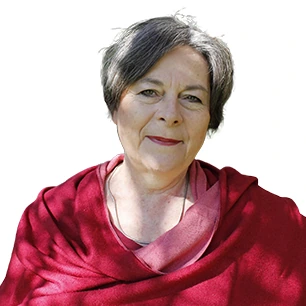
Counsellor & Relationship Therapist
Atia is a psychotherapist and counsellor. She has over 15 years of experience providing support to individuals, couples and families. She holds a Bachelor of Social Sciences (Counselling) from the Australian College of Applied Psychology and is a clinical member of the Psychotherapy and Counselling Federation of Australia (PACFA).
Prior to moving to private practice, Atia worked as a counsellor across multiple organisations, providing support to a diversity of individuals, including refugees and asylum seekers, carers of individuals living with complex mental illness and adult survivors of child abuse. Atia has expertise in providing effective treatment for issues such as anxiety, depression, PTSD, addictions, grief, sleep, low self-esteem and relationships. She also specialises in trauma, with extensive experience supporting survivors of psychological, sexual and physical abuse, assault and domestic violence. In her work with couples, Atia works with issues such as communication, separation and divorce, infertility and life transitions.
Atia is trained in a range of therapeutic approaches, including Existential Therapy, Dialectical Behaviour Therapy (DBT), Mindfulness, Narrative Therapy, and Art Therapy. She employs an eclectic holistic approach to treatment, adapting her skills and knowledge to best suit the treatment needs of her clients.
In her work with clients, Atia aims to encourage insight and self-awareness, and improve her clients’ self-esteem, creativity, self-care, empathy, critical thinking, and the ability to adjust to challenging circumstances. With an emphasis on being a compassionate, non-judgmental and present therapist, she hopes to provide her clients with control over their journey to address their issues in a safe and empowering manner.
Counsellor
$150 to $220
fee range, per 55-minute session
Please ask for the exact fee when you call.
No referral is needed, so you can start straight away. This fee does not attract a Medicare rebate. See the full fee table

Counsellor & Relationship Therapist
Neri is a Registered Counsellor and Psychotherapist with more than 10 years experience in the mental health field. She holds extensive qualifications relevant to her work, including a Bachelor of Science (Psychology) from the University of Sydney, as well as both a Postgraduate Diploma of Counselling and a Master of Counselling and Psychotherapy. Neri is also a clinical member and accredited supervisor of the Psychotherapy and Counselling Federation of Australia.
Throughout her career, Neri has worked extensively with a diverse range of individuals, couples and families across multiple sectors, including public, private, community and corporate health. Prior to moving into private practice, Neri worked in a hospital setting, providing inpatient support to at-risk patients, using evidence-based mental health assessments to cater for their individual needs. She has also led, supported and supervised a variety of psychologically-based programs aimed at developing employment opportunities for NDIS participants.
In private practice, Neri focuses on empowering her clients using an integrated and person-centred approach, which includes such modalities as Solution-Focused Brief Therapy, Cognitive Behavioural Therapy (CBT), Mindfulness-Based Therapy and Psychodynamic methods. In her sessions, Neri assists her clients with a variety of concerns including depression, anxiety, stress, phobias, body image, harassment, chronic pain, gender issues, grief and loss, religious and identity concerns, as well as more complex mental health such as brain injuries, trauma and PTSD, addiction and dependencies. She has experience working with persons presenting on the autism spectrum or with intellectual disabilities.
In her work with couples, Neri believes in the strength of connectedness, and can assist clients with communication problems, parenting concerns, infidelidity, stagnation and sexual issues.
Neri is a compassionate and insightful counsellor, who aims to transform her clients’ situations through catering to their individual needs. Through creating trusting and safe environments during her sessions, Neri empowers her clients to move towards a happier and healthier life.
Counsellor
$150 to $220
fee range, per 55-minute session
Please ask for the exact fee when you call.
No referral is needed, so you can start straight away. This fee does not attract a Medicare rebate. See the full fee table
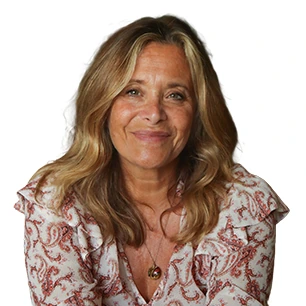
Registered Counsellor
Sue is a Registered Counsellor and Psychotherapist and a member of PACFA (Psychotherapy & Counselling Federation of Australia). She holds a Graduate Diploma in Counselling from ACAP University College in which she was National DUX, and a Masters of Counselling and Psychotherapy.
Prior to starting a private practice, Sue worked in hospital settings where she gained significant experience in a broad range of presentations including trauma, addiction, anxiety, depression, grief and loss, and relationship issues. In this role she facilitated group therapy sessions as well as one-on-one trauma-informed psychotherapy sessions, and also facilitated patient workshops and lectures. Sue has also worked with renowned experiential trauma programme facilitators across the United States, United Kingdom and Australia.
When working with clients, Sue takes an integrative, trauma-informed and person-centered approach. She also uses a psychodynamic relational model and employs the dynamic interplay between internal world and relational experiences. At times, Sue will also engage creative techniques, narrative therapy and Gestalt therapies to facilitate new ways of processing and expressing feelings.
Prior to her work as a counsellor, Sue worked for 25 years running creative businesses in both design and recruitment where she honed her ability to tailor innovative solutions to individual needs, and build trust-based relationships - skills she now brings to her therapeutic practice.
Sue is compassionate and an authentic counsellor, focussed on creating a supportive environment for her clients to promote personal growth and recovery. Sue is passionate about helping her clients reconnect with their sense of self and purpose.
Counsellor
$150 to $220
fee range, per 55-minute session
Please ask for the exact fee when you call.
No referral is needed, so you can start straight away. This fee does not attract a Medicare rebate. See the full fee table

Registered Counsellor
Jonathan is a Registered Counsellor and Psychotherapist, who has worked with clients of all ages during his time in the mental health field. He holds various diplomas in Counselling, including Integrated Psychotherapy and Family Counselling from the AIFC, and is also certified as a Professional Supervisor.
Beginning his career in the youth sector, Jonathan assisted both children and adolescents from disadvantaged and traumatic backgrounds, in which he learnt to tailor his sessions to each individual to create trusting and supportive environments. From his time at various alternative learning programs, such as Youth Off The Streets and the Divergent Edge, Jonathan worked with neurodivergent, disengaged and/or complex-presenting individuals, providing support in the form of individual psychotherapy, crisis counselling and group interventions.
Moving into private practice, Jonathan uses a holistic approach to therapy, exploring the connection between family dynamics, childhood, relationships, as well as the mind and body, to assess and reflect on his clients’ concerns. Utilising an array of evidence-based practices, Jonathan incorporates modalities such as Cognitive Behavioural Therapy, Dialectical Behavioural Therapy, Brief Solution Focused Therapy, Person-Centred Therapy and Mindfulness.
Jonathan can assist his clients with an array of concerns including depression, anxiety, grief & loss, self-esteem, anger, as well as more complex mental health including domestic violence, self-harm and suicidal ideation, addiction and trauma. Jonathan also has a particular interest in neurodiversity, specifically assisting those with ADHD.
Jonathan is an authentic and compassionate practitioner, who prides himself on his practical and insightful approach to counselling. Through supporting the development of appropriate life skills, he helps his clients identify and achieve their goals, as well as move forward with confidence and become the best version of themselves.
Counsellor
$150 to $220
fee range, per 55-minute session
Please ask for the exact fee when you call.
No referral is needed, so you can start straight away. This fee does not attract a Medicare rebate. See the full fee table

Accredited Mental Health Social Worker & Couple Therapist
Jenna is an Accredited Mental Health Social Worker and Relationship Therapist with over 15 years experience supporting individuals, couples and families. She holds a Master of Social Work from the University of Melbourne and is endorsed as a Specialist Couple Therapist by Relationships Australia (Victoria).
Jenna's career began in family services, supporting vulnerable children and families across a range of community and health settings. This included developing group programs for mothers experiencing mental health difficulties and social isolation, giving her broad experience across the different stages of family life. She now works in private practice where she works with clients from a broad cross section of the community.
Jenna supports both individuals and couples experiencing a wide range of issues including anxiety and depression, attachment and connection, historical or intergenerational trauma, sexual and intimacy issues, affairs, family conflict and communication difficulties. She has particular experience supporting neurodivergent clients, and holds a special interest in perinatal mental health, including the transition to parenthood, parent-child attachment, and birth trauma.
Jenna draws on a strengths-based, attachment, family-systems and trauma-informed framework, tailoring her approach to the needs of each client. She integrates Internal Family Systems therapy, Acceptance and Commitment Therapy and Gottman Method couple therapy, and is a qualified Circle of Security Parenting Facilitator, drawing on this when working with parents of young children.
Jenna works with individuals and couples to build an authentic, safe and trusting relationship in which to understand the challenges they face, helping clients build resilience and form deeper, more secure connections with themselves and others.
Accredited mental health social worker
$200 to $220
fee range, per 55-minute session
Please ask for the exact fee when you call.
You may be eligible for a Medicare rebate. Your GP can assess you and write a Mental Health Treatment Plan. Tell us if you already have one when you book, and ask for a psychologist or a registered mental health social worker, because the rebate only covers those. See the full fee table