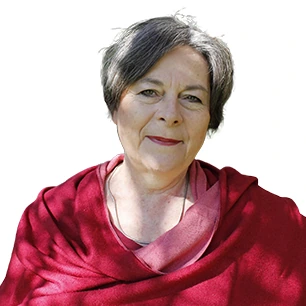
Atia is a degree-qualified counsellor with over 15 years experience working with individuals and couples. Compassionate and supportive, Atia supports her clients to develop self-awareness, empowering them to improve their wellbeing.



Counselling for depression, in person or online.
Depression is a serious and debilitating experience that significantly affects people’s quality of life. With the launch of the Government’s national depression initiative, ‘ beyondblue ‘ and with a number of prominent persons speaking out about their experience of depression, many more Australian’s are, for the first time, recognising depression in their lives and are seeking professional counselling to end their suffering.
We see people for depression at our Ryde, Stanhope Gardens, Dulwich Hill, Hornsby and Elizabeth Street practices, and online.

Atia is a degree-qualified counsellor with over 15 years experience working with individuals and couples. Compassionate and supportive, Atia supports her clients to develop self-awareness, empowering them to improve their wellbeing.

Wade is a tertiary-qualified Registered Counsellor with almost a decade of experience across hospital, community and private-practice settings. Warm and grounded, Wade works with individuals, creating a trusting space to allow for deep reflection.
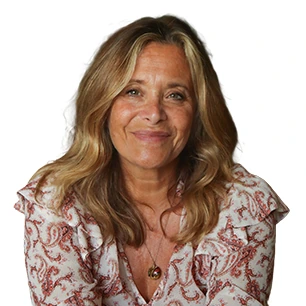
Sue is a Masters-qualified counsellor. Compassionate and authentic, Sue supports individuals to better understand the interplay between their internal world and their external relationships.
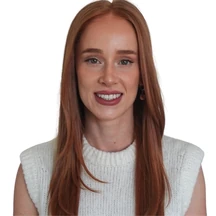
Claire is a Masters-qualified Registered Counsellor and Psychotherapist working with individuals and couples on relationships, attachment and emotional wellbeing. Warm and collaborative, she creates a supportive space for clients to work through what feels difficult, at their own pace.
Individuals ✓Couples ✓Weekends ✓

David is a Masters-qualified Clinical Psychologist. Warm, authentic and non-judgemental, David supports his clients by carefully attuning to their needs, and imparting practical skills to build emotional insight and wellbeing.
Individuals ✓After hours ✓

Jonathan is a tertiary-qualified counsellor with over 10 years experience working with adults and adolescents. Authentic and compassionate, Jonathan provides practical support, equipping clients with the skills and capacity to be their best.
Individuals ✓Weekends ✓

Graciela is a Masters-qualified counsellor with over 15 years experience working with individuals and couples. With a gentle approach, Graciela helps her clients develop awareness and gain control of their lives and relationships.
Individuals ✓Couples ✓Weekends ✓Spanish ✓
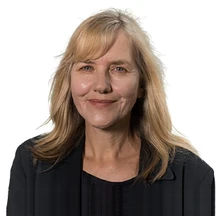
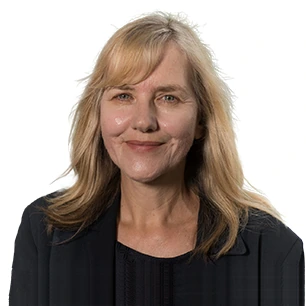
Jennifer is a Masters-qualified counsellor with many years of experience. Collaborative and process-orientated, Jenny works with both individual and couples clients to develop healthier relationships with themselves and with others.
Individuals ✓Couples ✓After hours ✓
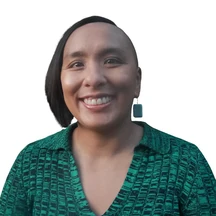
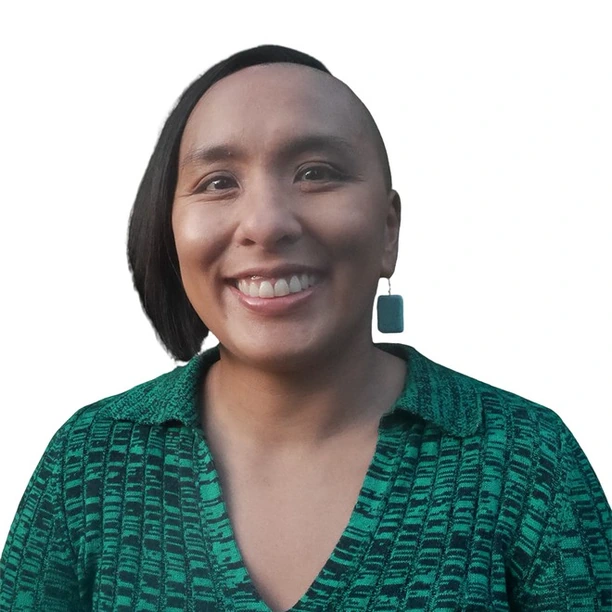
Jenna is an Accredited Mental Health Social Worker with over 15 years' experience across government health services and private practice. Warm and trauma-informed, Jenna works with individuals and couples to build safety, understanding and stronger connection, and build more secure connections with themselves and others.
Individuals ✓Couples ✓After hours ✓
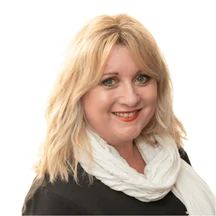
Megan is a Registered Counsellor with extensive experience supporting individuals and couples. Warm and empathetic, Megan uses an evidence-based, person-centred approach to help clients gain insight and create meaningful change. She is also an Accredited Mediator.
Individuals ✓Couples ✓After hours ✓
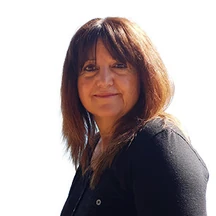
Revi holds a Master of Social Work (Counselling) and has over 20 years experience counselling both individuals and couples. Compassionate and client-centred, Revi is passionate about helping her clients navigate life’s challenges.
Individuals ✓Couples ✓After hours ✓Hebrew ✓
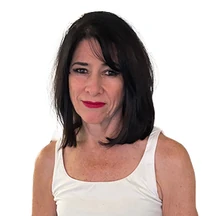
Christine is a tertiary-qualified counsellor with over 20 years experience working with individuals and couples. She emphasises a collaborative approach to therapy, working with the client as an active partner in their treatment.
Individuals ✓Couples ✓Weekends ✓
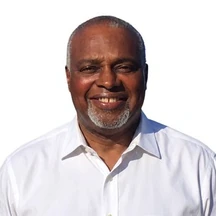
Howard is a Registered Psychologist with over 25 years experience working with individuals, couples and families. He uses a practical but supportive approach, aiming to assist his clients to achieve their goals as quickly as possible.
Individuals ✓Couples ✓Weekends ✓
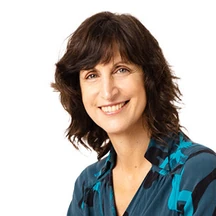
Neera is a Masters-qualified psychotherapist. Empathetic, thoughtful and intuitive, Neera works with individuals to strengthen their identity and reshape patterns.
Individuals ✓

Naomi is a Registered Psychologist with over 20 years experience. Warm, empathetic and client-centred, Naomi works with individuals and couples to draw on their strengths to overcome difficulties. She is Gottman certified.
Individuals ✓Couples ✓

Neri is a Masters-qualified counsellor and psychotherapist with over 10 years experience working with both individuals and couples. Compassionate and insightful, Neri empowers her clients to transform their lives and relationships.
Individuals ✓Couples ✓After hours ✓Vietnamese ✓
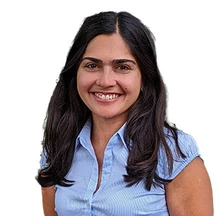
Petra is a highly skilled, tertiary-qualified counsellor with almost 10 years experience supporting clients' mental health. Insightful and altruistic, Petra creates a safe space to support her clients to lead more fulfilling lives.
Individuals ✓After hours ✓

Dinah is a degree-qualified counsellor with almost 10 years experience. Empathetic and optimistic, Dinah works in partnership with her clients, empowering them to bring about positive change and feel happier in their lives.
Individuals ✓After hours ✓

Mike has a Doctorate in Clinical Psychology and over 20 years experience working with individuals and couples. His success as a counsellor is consistently demonstrated by the deep clinical relationship he has with clients.
Individuals ✓Couples ✓After hours ✓
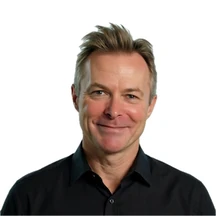
Paul is a Registered Psychologist and SIRA-accredited practitioner with a background in the corporate space. Empathetic and personable, Paul is dedicated to supporting meaningful change in the lives of his clients.
Individuals ✓After hours ✓
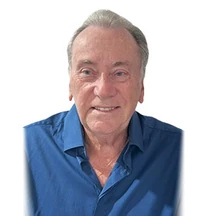
John is a tertiary-qualified counsellor and one of our most experienced therapists. John works with individuals and couples to build awareness of the patterns behind their decisions and lead more empowered and fulfilling lives. He is Gottman qualified.
Individuals ✓Couples ✓

Gaul is an Accredited Mental Health Social Worker with over 17 years experience supporting individuals, couples and families, in hospital settings and private practice. Transparent, curious and collaborative, he works in partnership with his clients.
Individuals ✓Couples ✓

Laura is a Masters-qualified counsellor with extensive experience. Known for her warm and grounded presence, Laura helps individuals, couples and parents to uncover their own capacity for healing and meaningful change.
Individuals ✓Couples ✓Weekends ✓
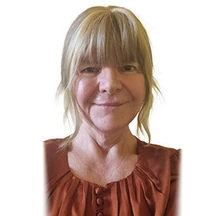
Rose is a Masters-qualified counsellor and Registered Mental Health Social Worker with over 20 years experience. Working with both individuals and couples, Rose empowers her clients to enhance their wellbeing and achieve their goals.
Individuals ✓Couples ✓

Chris is a Masters-qualified Counsellor and Psychotherapist who works with individuals and couples. Open and empathetic, Chris draws on his clients’ curiosity, creativity and inherent strengths to make a meaningful and empowering difference in their lives.
Individuals ✓Couples ✓After hours ✓

Peter is a Registered Psychologist who works with individuals and couples. Practical and empathetic, Peter helps clients uncover what drives their thoughts and feelings, so they can trade self-judgement for self-compassion and make lasting change.
Individuals ✓Couples ✓

Daniela is a Registered Psychologist with over 20 years’ experience. Warm, empathetic and deeply humanistic, she creates a space where clients feel genuinely heard, challenged and empowered to make meaningful change.
Individuals ✓Weekends ✓Portuguese ✓
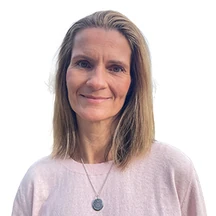
Silvia is a Registered Counsellor & Psychotherapist with qualifications in counselling, psychology and Somatic Experiencing®. Compassionate and supportive, Silvia works with individuals to manage life’s challenges.
Individuals ✓After hours ✓
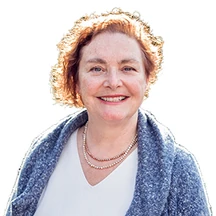
Andrea is a Registered Psychologist with over 20 years experience working with individuals and couples. Andrea helps her clients process and regulate their emotions, working with mind and body to sustain long-lasting change.
Individuals ✓Couples ✓Weekends ✓German ✓
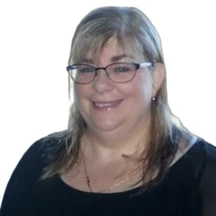
Di is a Masters-qualified counsellor with over 10 years private practice experience. Empathic and collaborative, she works alongside her clients to make sense of what they are facing and find a way forward.
Individuals ✓Couples ✓
Theodora is a Registered Psychologist with over 10 years of experience, working with both individuals and couples. Warm and compassionate, Theodora helps her clients make sense of their experiences and build stronger, more secure relationships.
Individuals ✓Couples ✓Weekends ✓Greek ✓
Irene is a degree-qualified counsellor and psychotherapist with 20 years experience working with individuals, couples and parents. Warm, grounded and practical, Irene helps her clients reconnect with their emotions and relationships in ways that feel manageable.
Individuals ✓Couples ✓
Ali is a Masters-qualified counsellor with over 15 years of experience. Calm and compassionate, Ali works with individuals and couples, helping them feel safe, understood and better equipped to move forward.
Individuals ✓Couples ✓Weekends ✓Arabic ✓
Sharon is a Registered Psychologist with over 15 years experience. Curious and supportive, Sharon looks beneath the distress rather than settling on a label, helping clients understand themselves and make lasting change.
Individuals ✓After hours ✓
Alexandra is a degree-qualified counsellor and relationship therapist with 15 years of experience across government and not-for-profit services. Accepting and down-to-earth, Alexandra works with individuals and couples, inviting clients to come as they are and work towards meaningful change.
Individuals ✓Couples ✓Weekends ✓Greek ✓
Daniel is a tertiary-qualified counsellor with over 10 years of experience, working with both individuals and couples. Easy to talk to and quick to build trust, Daniel recognises each person’s strengths and helps them gain greater agency in their lives.
Individuals ✓Couples ✓After hours ✓
David is a Registered Psychologist with more than 20 years of experience working with leaders and the organisations they run. Thoughtful and attentive, David helps his clients reconnect with a sense of purpose and belonging.
Individuals ✓Weekends ✓
Pauline is a Registered Counsellor with almost 20 years of experience in both New Zealand and Australia. Warm and caring, Pauline works with individuals, couples and families, helping them build understanding and stronger connections.
Individuals ✓Couples ✓Weekends ✓
Not sure who to choose?
Weekdays 9am to 6pm, a person answers
After hours, or any time
We have practices across Sydney, the coast and the Illawarra, and a full telehealth team. Our intake specialists know who works with what, and they will point you to the right person, whether that is near home, near work or online.
Step 1
Call us weekdays between 9am and 6pm and one of our intake team picks up. They will ask what is going on and talk you through the options before you commit to anything.
Step 2
The fit between you and your therapist is the strongest thing we know of for making therapy work. We match on what you are facing, the approach you prefer, gender, language and how far you can travel.
Step 3
We confirm your booking in writing so that you know when and where you’ll be meeting your new therapist.
Experiences of depression can vary from mild cases to the more severe. If you are suffering from depression, you may relate to the idea of feeling stuck in your sadness; a sense that you cannot imagine being happy again. Psychologists and counsellors often describe the symptoms of depression as living with a future that seems hopeless and a sense of being helpless to do anything about it.
Some people begin to lose sleep while others may sleep all day, struggling to get out of bed in the morning.

You take little pleasure in your day, your appetite changes and in many cases, you begin to feel worthless and perhaps as if others might be better off without you. Suffice it to say, depression can be a devastating state of mind.
In extreme cases, you may be unable to get to work, your relationships suffer and you isolate yourself from others; perhaps you find it hard to get the motivation to get dressed in the morning or to wash and feed yourself.
For too many people, depression is their everyday state of mind. So it can be surprisingly hard to recognise in others. Moreover, as people with depression often feel unattractive or worthless, they tend to keep their problems to themselves, preferring not to ‘burden’ others with their problems. People with depression often suffer in silence, unaware that help is available.
However, many models of counselling therapy as commonly provided by a trained counsellor or psychologist are clinically proven treatments for depression. If you are depressed, you do not need to suffer, and you do not need to suffer alone.
We urge you to speak up and get help and give yourself the chance you deserve for a more fulfilling future. (This article is electronically protected, Copyright © Associated Counsellors & Psychologists Sydney PTY LTD)
Psychologists and other mental health professionals describe two diagnosable types of depression, Dysthymia (Chronic Low Mood) and Major Depressive Disorder.
Not everyone’s experience of depression will correspond with the rather extreme form described above. Indeed, whilst a strong bout of what psychologists call ‘Major Depression’ may last for a couple of weeks or months and truly debilitate a person, other types of depression tend to be lower lying, although they can be chronic.
Chronic Low Mood, or Dysthymia, is described as being a form of depression which is mild to moderate in its impact, a person with dysthymic depression will generally be able to function in their lives, they just won’t get much pleasure from it.
They may find it hard to genuinely have a laugh; they may wonder how everyone else is able to enjoy the things they get nothing from. They often don’t feel good about themselves or their future and share the same features of major depression in terms of disturbed sleep, appetite and difficulty concentrating, albeit at lower levels.
One of the other defining features of Chronic Low Mood or Dysthymia is its chronic nature, that is, it is long lasting and tends to be present most of the time.
Indeed, in order to be formally diagnosed as Dysthymic by a psychologist or psychiatrist, a person must have had at least two or more of the following symptoms, most of the time, for a two year period, with no more than one month free of such symptoms:
• poor appetite or overeating
• insomnia or hyper-somnia (excessive sleeping)
• low energy or fatigue
• low self-esteem
• poor concentration or difficulty making decisions
• feelings of hopelessness
Unlike Dysthymia, which describes people who feel mildly depressed most of the time, Major Depressive Disorder describes a situation in which a person who is not usually depressed experiences a sudden change in mood which leaves them in a substantial state of depression for at least 2 weeks. (This article is electronically protected, Copyright © Associated Counsellors & Psychologists Sydney PTY LTD)
A person with a Major Depressive Disorder will have either a depressed mood or a loss of interest or pleasure in daily activities, consistently, for at least 2 weeks. This low mood will be a change from the way you normally feel; you are likely to notice a change in your ability to socialise, work or study, or perhaps to perform in another important area in your life.
Major depressive disorder is characterised by the presence of at least one such 2 week or longer major depressive episode (however such a depressive episode is not in itself evidence of major depressive disorder).
A major depressive episode includes the following symptoms:
• depressed mood most of the day, nearly every day, whether noticed by yourself or someone else who knows your normal mood
• significant decrease in interest or pleasure in all, or almost all, activities, most of the day, nearly every day
• significant changes in your weight (be it weight loss or weight gain), or a series of daily change in your eating patterns and appetite.
• Consistent trouble sleeping or feeling more sleepy than usual (insomnia and hypersomnia)
• Feeling ‘charged’ or fidgety (psychomotor agitation) or listless (retardation) nearly every day
• Feeling fatigued or experiencing a loss of energy nearly every day
• feelings worthless or inappropriately guilty nearly every day
• finding it harder to think or concentrate, or make decisions, nearly every day
• having repeated thoughts of death, considering or thinking about suicidal themes (be it with or without a specific plan to suicide).
As you can see from the above list, a person with Major Depressive Disorder will experience these symptoms during an episode almost every day, and most of the time during that day.
In addition, a person experiencing a significant bout of depression will not normally be diagnosed as suffering from Major Depressive Disorder unless the symptoms continue for at least 2 months and/or are combined with a functional impairment of some sort (for instance you can not work, or participate in your normal activities ), or the person is found to be morbidly preoccupied with worthlessness, suicidal thoughts, or suffering from psychomotor retardation (where the body and mind slows down and the person has difficulty undertaking simple tasks).
If the symptoms of major depression has been caused by the death of a loved one (bereavement) then the episode will not usually be characterised as one indicative of Major Depressive Disorder. Likewise, depression caused by substance use (such as drugs, alcohol, medications) is not usually considered a major depressive disorder, nor is a depressive episode caused by a general medical condition.
Finally the condition of Major Depressive Disorder will not be diagnosed if you have other mood related symptoms such as mania (as may occur in bipolar disorder, see our separate information page) or if the depressed mood is better accounted for by other mental health issues, for instance, psychosis. (This article is electronically protected, Copyright © Associated Counsellors & Psychologists Sydney PTY LTD)
In order to help you determine whether you have depression and whether treatment by a counselling professional or psychologist may benefit you, you can look at some of the diagnostic criteria for the symptoms common to Dysthymia and Major Depressive Disorder as described above.
You can also take a simplified test for depression by completing our depression checklist to see if you are a likely depression sufferer.
Please note that making a diagnosis of symptoms is a complex undertaking. Moreover, it does not take into account the cause of the condition and it does not in itself indicate a particular type of treatment.
You should consult with a mental health professional like a counsellor, psychologist, psychotherapist or psychiatrist for further advice if you feel the symptoms described in this article may be of relevance to you or a loved one.
Professional Counselling, Psychologist and Psychotherapy services are proven treatments for depression and Associated Counsellors & Psychologists Sydney represents a team of experts trained in working with depression.
Please note that if you feel the urge to harm yourself you should immediately present to your local hospital emergency department, or call 000 or call Lifeline 24 hours a day.
Associated Counsellors & Psychologists Sydney provide access to therapists who can help you work on your depressed mood over time. We do not provide an emergency crisis counselling service.
DISCLAIMER
All health information provided on counsellingsydney.com.au is general in nature and is provided for information purposes only. The information contained on this site should not be used to diagnose or treat psychological conditions, nor should it be used as an alternative to obtaining counselling or psychological advice from a qualified counsellor, psychologist, psychotherapist, psychiatrist or medical practitioner. Please consult a counselling professional or a health care provider about any health concerns you might have about yourself or others. Associated Counsellors & Psychologists Sydney Pty. Ltd does not accept liability for any loss or damage associated with the use of this site.
This site may contain links to third party sites including sites on counselling, psychologist services, mental health and other unrelated material. The existence of these links is not to be construed as an endorsement by Associated Counsellors & Psychologists Sydney Pty. Ltd as to the accuracy or quality of the information or services provided by these third party sites and we do not accept liability for any loss or damaged associated with the use of these third party sites.
This page is electronically copyright protected, do not copy, Copyright © Associated Counsellors & Psychologists Sydney PTY LTD
No referral is needed to start. For Medicare rebates, ask your GP about a Mental Health Treatment Plan. Please speak to our team about your options.
Most new clients are seen within days, sooner by telehealth. Many of our practices offer early morning, evening and weekend appointments, and our intake team will find the times that suit you.
Yes, you can choose either. You can see a clinician at one of our practices across Sydney, the coast and the Illawarra, or by video from anywhere in Australia, and many clients switch between the two.
Your clinician listens to what’s brought you in, asks about your goals, and agrees to a plan with you. There is never any pressure to share more than you’re ready to.
Sessions run for 55 minutes, and the fee depends on who you see. Counsellors start from $150, social workers and psychologists from $200, and clinical psychologists from $230. With a GP Mental Health Treatment Plan, a Medicare rebate may apply to sessions with a psychologist or a registered mental health social worker, so please speak to our staff about your options.
These are the things people come to us for.

Worry you cannot switch off, or panic that arrives out of nowhere.

Arguments that go round in circles, or drifting apart and not knowing how to talk about it.

We’ll help you spot triggers, slow the surge, and choose what happens next.

Drinking, drugs, gambling or porn that has got out of hand.

Days that feel chaotic, with everyday tasks harder than they should be.

Things that happened years ago that still affect how you feel now.

Compulsive sex or pornography use, and the issues that trigger it.

After a death, a diagnosis, or the end of something that mattered.

Food, weight and eating taking up more of the day than they should.

The full list of things our clinicians work with, across every practice and online.
Every clinician is fully registered and insured, and bound by their professional association's Code of Ethics, as our counsellor guarantee sets out.
Not sure which suits you? Speak to our team about your options.
Book with Sydney’s most trusted network
With a wealth of experience and a board of certified professionals, you know you’re in safe hands.
★★★★★Booking was a seamless process. The team has been friendly, prompt and clear about timelines, which is appreciated. It has taken less than 24 hours for me to enquire, book and confirm an appointment. Can’t wait to continue!
★★★★★Happy with the booking process. I had to cancel my original appointment which was no issue and under bad circumstances on my end. Counsellor was very accommodating. Followed up and fit me in to a new convenient time
★★★★★Fantastic and fast response. The booking process was easy and appointments are available in a good time frame. I got an appointment within a week not months (unlike many others places) and the call operators are so helpful.
Reviews are shown as written, about our booking and matching service.
Choose a region to see its practices, their addresses and who works there.
Counsellor & Relationship Therapist
Atia is a psychotherapist and counsellor. She has over 15 years of experience providing support to individuals, couples and families. She holds a Bachelor of Social Sciences (Counselling) from the Australian College of Applied Psychology and is a clinical member of the Psychotherapy and Counselling Federation of Australia (PACFA).
Prior to moving to private practice, Atia worked as a counsellor across multiple organisations, providing support to a diversity of individuals, including refugees and asylum seekers, carers of individuals living with complex mental illness and adult survivors of child abuse. Atia has expertise in providing effective treatment for issues such as anxiety, depression, PTSD, addictions, grief, sleep, low self-esteem and relationships. She also specialises in trauma, with extensive experience supporting survivors of psychological, sexual and physical abuse, assault and domestic violence. In her work with couples, Atia works with issues such as communication, separation and divorce, infertility and life transitions.
Atia is trained in a range of therapeutic approaches, including Existential Therapy, Dialectical Behaviour Therapy (DBT), Mindfulness, Narrative Therapy, and Art Therapy. She employs an eclectic holistic approach to treatment, adapting her skills and knowledge to best suit the treatment needs of her clients.
In her work with clients, Atia aims to encourage insight and self-awareness, and improve her clients’ self-esteem, creativity, self-care, empathy, critical thinking, and the ability to adjust to challenging circumstances. With an emphasis on being a compassionate, non-judgmental and present therapist, she hopes to provide her clients with control over their journey to address their issues in a safe and empowering manner.
Counsellor
$150 to $220
fee range, per 55-minute session
Please ask for the exact fee when you call.
No referral is needed, so you can start straight away. This fee does not attract a Medicare rebate. See the full fee table
Counsellor & Psychotherapist
Wade is a Counsellor and Psychotherapist, registered with PACFA. He holds a Bachelor of Counselling from the Australian College of Applied Psychology and a Graduate Diploma of Mental Health and Neuroscience from the University of the Sunshine Coast, with extensive advanced training in Internal Family Systems (IFS) therapy.
Wade’s career began in hospital and community mental health settings, including several years leading a therapeutic program and multidisciplinary team. This gave him broad experience supporting people through a wide range of life challenges before he moved into private practice.
Since moving into private practice, Wade works with individuals, supporting them with a range of concerns including anxiety, stress and burnout, low mood, grief, relationship and attachment difficulties, and past trauma. He has a particular interest in trauma, attachment, men’s health and addiction-related concerns.
Wade’s approach draws primarily on Internal Family Systems, integrating trauma-informed, attachment-based, psychodynamic, EMDR, and polyvagal-informed techniques. He works deeply and relationally with his clients, taking the time to understand what’s beneath the surface and build a genuine sense of trust and connection. He believes lasting change comes through the relationship itself, not just the techniques used within it.
Wade describes his style as clear, honest and human, creating a space paced to each client where they can explore what’s present for them without judgement or pressure.
Counsellor
$150 to $220
fee range, per 55-minute session
Please ask for the exact fee when you call.
No referral is needed, so you can start straight away. This fee does not attract a Medicare rebate. See the full fee table
Registered Counsellor
Sue is a Registered Counsellor and Psychotherapist and a member of PACFA (Psychotherapy & Counselling Federation of Australia). She holds a Graduate Diploma in Counselling from ACAP University College in which she was National DUX, and a Masters of Counselling and Psychotherapy.
Prior to starting a private practice, Sue worked in hospital settings where she gained significant experience in a broad range of presentations including trauma, addiction, anxiety, depression, grief and loss, and relationship issues. In this role she facilitated group therapy sessions as well as one-on-one trauma-informed psychotherapy sessions, and also facilitated patient workshops and lectures. Sue has also worked with renowned experiential trauma programme facilitators across the United States, United Kingdom and Australia.
When working with clients, Sue takes an integrative, trauma-informed and person-centered approach. She also uses a psychodynamic relational model and employs the dynamic interplay between internal world and relational experiences. At times, Sue will also engage creative techniques, narrative therapy and Gestalt therapies to facilitate new ways of processing and expressing feelings.
Prior to her work as a counsellor, Sue worked for 25 years running creative businesses in both design and recruitment where she honed her ability to tailor innovative solutions to individual needs, and build trust-based relationships - skills she now brings to her therapeutic practice.
Sue is compassionate and an authentic counsellor, focussed on creating a supportive environment for her clients to promote personal growth and recovery. Sue is passionate about helping her clients reconnect with their sense of self and purpose.
Counsellor
$150 to $220
fee range, per 55-minute session
Please ask for the exact fee when you call.
No referral is needed, so you can start straight away. This fee does not attract a Medicare rebate. See the full fee table
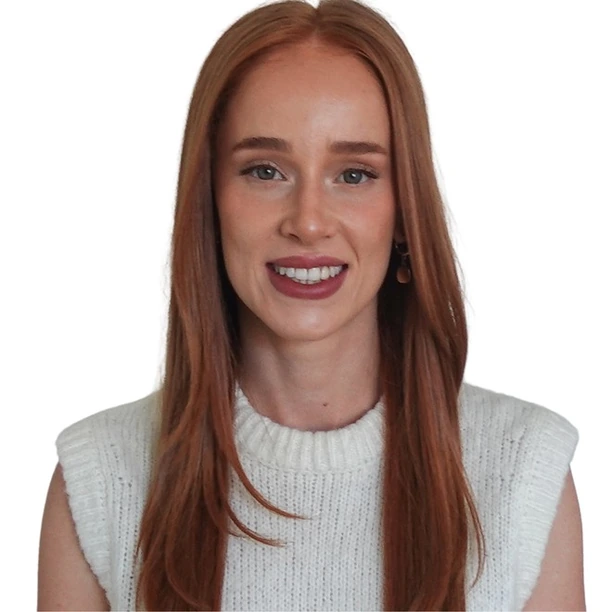
Counsellor & Relationship Therapist
Claire is a Counsellor, Psychotherapist and Relationship Counsellor. She holds a Master of Counselling and Psychotherapy (ACAP) and a Bachelor of Liberal Arts and Science, majoring in Psychology, from the University of Sydney. She is a Professional Member of the Australian Counselling Association, a Certified Practising Registrant with the Psychotherapy and Counselling Federation of Australia, and a member of the International Centre for Excellence in Emotionally Focused Therapy.
Prior to training as a counsellor, Claire spent several years working in client-facing roles across the health technology and corporate sectors, including account management, client support and office administration, both in Australia and the UK. This experience gave her a solid grounding in listening closely to people and understanding what they need, something she draws on in her work with clients today.
As a counsellor in private practice, Claire works with both individuals and couples, supporting them with a range of concerns including anxiety, depression, grief, low self-worth, past trauma and interpersonal conflict. She has a particular interest in relationships, attachment and emotional connection.
Claire’s approach draws primarily on Emotionally Focused Therapy and EFIT, integrating psychodynamic, person-centred, trauma-informed and Gottman Method techniques. She describes her style as warm, collaborative and paced to the client, creating a space to explore what can be difficult to put into words, without judgement or pressure. Claire supports her clients toward greater self-understanding, emotional safety and healthier ways of relating over time.
Counsellor
$150 to $220
fee range, per 55-minute session
Please ask for the exact fee when you call.
No referral is needed, so you can start straight away. This fee does not attract a Medicare rebate. See the full fee table
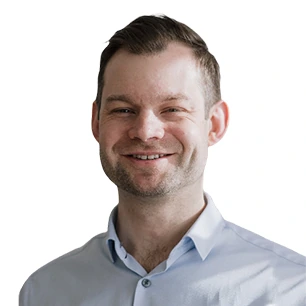
Clinical Psychologist
David is a Clinical Psychologist and an accredited member of the Australian Clinical Psychology Association. He holds a Bachelor of Arts with Honours from the University of New England, and a Masters of Clinical Psychology from Western Sydney University.
Prior to re-training as a psychologist, David worked as a professional musician, a role he credits as endowing him with high-level listening skills. These skills he brings to his work in the mental health space, where he has practiced in both both in hospital settings (in-patient and out-patient) and also in private practice. In these environments, David has gained experience counselling a diverse range of clients of different ages and from a variety of socioeconomic and cultural backgrounds. He has also provided telephone support for families affected by drug and alcohol concerns in a voluntary capacity. Together, these experiences have helped shape his personalised approach to therapy.
In private practice, David is passionate about supporting individuals through their mental health challenges and life’s challenges. Drawing on a range of modalities, David primarily focuses on Cognitive Behavioural Therapy (CBT) but also draws on modalities such as Acceptance and Commitment Therapy (ACT), Dialectical Behaviour Therapy (DBT), and Psychodynamic Theory.
David can support clients with a variety of concerns, including depression, anxiety, grief and loss, OCD, ADHD, relationships, anger, addiction, stress, as well as more complex presentations such as Post-Traumatic Stress Disorder (PTSD) and personality disorders.
David is an authentic, warm and non-judgemental psychologist. Whilst he uses various therapeutic modalities to frame his practice, his focus remains on the therapeutic relationship, ensuring that his client’s unique experiences, feelings, thoughts, and beliefs shape his ultimate approach to their therapy. By listening and accounting for his client’s viewpoints, David helps his clients overcome their problems through positive change.
Clinical psychologist
$230 to $245
fee range, per 55-minute session
Please ask for the exact fee when you call.
You may be eligible for a Medicare rebate. Your GP can assess you and write a Mental Health Treatment Plan. Tell us if you already have one when you book, and ask for a psychologist or a registered mental health social worker, because the rebate only covers those. See the full fee table

Registered Counsellor
Jonathan is a Registered Counsellor and Psychotherapist, who has worked with clients of all ages during his time in the mental health field. He holds various diplomas in Counselling, including Integrated Psychotherapy and Family Counselling from the AIFC, and is also certified as a Professional Supervisor.
Beginning his career in the youth sector, Jonathan assisted both children and adolescents from disadvantaged and traumatic backgrounds, in which he learnt to tailor his sessions to each individual to create trusting and supportive environments. From his time at various alternative learning programs, such as Youth Off The Streets and the Divergent Edge, Jonathan worked with neurodivergent, disengaged and/or complex-presenting individuals, providing support in the form of individual psychotherapy, crisis counselling and group interventions.
Moving into private practice, Jonathan uses a holistic approach to therapy, exploring the connection between family dynamics, childhood, relationships, as well as the mind and body, to assess and reflect on his clients’ concerns. Utilising an array of evidence-based practices, Jonathan incorporates modalities such as Cognitive Behavioural Therapy, Dialectical Behavioural Therapy, Brief Solution Focused Therapy, Person-Centred Therapy and Mindfulness.
Jonathan can assist his clients with an array of concerns including depression, anxiety, grief & loss, self-esteem, anger, as well as more complex mental health including domestic violence, self-harm and suicidal ideation, addiction and trauma. Jonathan also has a particular interest in neurodiversity, specifically assisting those with ADHD.
Jonathan is an authentic and compassionate practitioner, who prides himself on his practical and insightful approach to counselling. Through supporting the development of appropriate life skills, he helps his clients identify and achieve their goals, as well as move forward with confidence and become the best version of themselves.
Counsellor
$150 to $220
fee range, per 55-minute session
Please ask for the exact fee when you call.
No referral is needed, so you can start straight away. This fee does not attract a Medicare rebate. See the full fee table
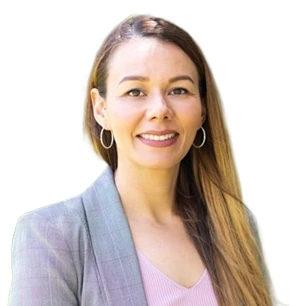
Counsellor & Relationship Therapist
Graciela is a Registered Counsellor and couples therapist, with over 15 years experience in the mental health space. She holds both a Bachelor of Social Work from the University of Western Sydney, an Advanced Diploma in Individual and Family Counselling, and a Masters in Counselling from Monash University.
Beginning her career in the government sector, Graciela assessed, supervised and treated vulnerable members of the population, developing programs and interventions for at-risk youth and victims of domestic violence. From her time at the Department of Juvenile Justice, Graciela provided individualised counselling to clients from diverse backgrounds, developing her personalised approach to therapy today.
In private practice, Graciela’s approach to therapy is founded in pragmatism, focusing on empowering her clients to achieve their goals, develop resilience and strengthen their emotional and mental health to overcome life’s challenges. Utilising an eclectic mix of modalities, Graciela prioritises approaches such as Cognitive Behavioural Therapy (CBT), Psychodynamic Psychotherapy, Trauma Informed Therapy, Systemic Family Therapy, Acceptance and Commitment Therapy (ACT) and Emotionally Focused Therapy (EFT). Within her sessions, Graciela can assist clients in a range of concerns, including depression, anxiety, self-esteem, relationship issues, career/transition issues, as well as more complex mental health such as trauma, suicidal ideation and victims of domestic violence.
As a couples and family therapist, Graciela is passionate about seeing relationships develop, often aiding her clients in communication, stagnation, intimacy concerns, arguments and identifying key concerns inhibiting connection.
Graciela is a warm and empathetic practitioner whose gentle and gracious approach encourages clients to feel at ease within her sessions. Through developing her patients’ awareness and understanding of their own circumstances, Graciela enables individuals to explore their presenting concerns and gain control over their life and relationships for the better.
Counsellor
$150 to $220
fee range, per 55-minute session
Please ask for the exact fee when you call.
No referral is needed, so you can start straight away. This fee does not attract a Medicare rebate. See the full fee table
Counsellor & Relationship Therapist
Jenny is a Registered Psychotherapist and Clinical Counsellor and a member of the Psychotherapists and Counsellors Federation of Australia (PACFA). She holds both a Diploma of Applied Science from Avondale University NSW and a Masters of Counselling from Morling College.
Jenny has decades of experience working for CatholicCare in the health, safety and wellbeing spheres. She subsequently consolidated her experience as a counsellor and moved into private practice, where she works with both individuals and couples. Jenny has experience supporting her clients with a wide range of concerns, including anxiety, depression, self esteem issues, relationship concerns, anger management, eating issues and addiction. She is particularly experienced supporting clients presenting with moderate to severe traumatic stress, and has for many years supported clients through the Victims Services framework.
Jenny draws upon a range of different modalities including Cognitive Behaviour Therapy (CBT), Solution Focused Therapy, Emotion Focused Therapy (EFT), Sensorimotor Psychotherapy, Internal Family Systems, Narrative Therapy, and Person Centred Therapy, tailoring her approach to best meet the needs of each individual client. When working with couples, Jenny uses Emotion Focused Therapy (EFT) and the Development Model for Couples (Bader & Pearson).
Jenny is an empathetic and passionate practitioner. She approaches counselling from a collaborative and process oriented perspective to understand the client’s concerns, in order to provide a safe therapeutic environment to work on developing a healthy relationship with the self and others.
Counsellor
$150 to $220
fee range, per 55-minute session
Please ask for the exact fee when you call.
No referral is needed, so you can start straight away. This fee does not attract a Medicare rebate. See the full fee table
Accredited Mental Health Social Worker & Couple Therapist
Jenna is an Accredited Mental Health Social Worker and Relationship Therapist with over 15 years experience supporting individuals, couples and families. She holds a Master of Social Work from the University of Melbourne and is endorsed as a Specialist Couple Therapist by Relationships Australia (Victoria).
Jenna's career began in family services, supporting vulnerable children and families across a range of community and health settings. This included developing group programs for mothers experiencing mental health difficulties and social isolation, giving her broad experience across the different stages of family life. She now works in private practice where she works with clients from a broad cross section of the community.
Jenna supports both individuals and couples experiencing a wide range of issues including anxiety and depression, attachment and connection, historical or intergenerational trauma, sexual and intimacy issues, affairs, family conflict and communication difficulties. She has particular experience supporting neurodivergent clients, and holds a special interest in perinatal mental health, including the transition to parenthood, parent-child attachment, and birth trauma.
Jenna draws on a strengths-based, attachment, family-systems and trauma-informed framework, tailoring her approach to the needs of each client. She integrates Internal Family Systems therapy, Acceptance and Commitment Therapy and Gottman Method couple therapy, and is a qualified Circle of Security Parenting Facilitator, drawing on this when working with parents of young children.
Jenna works with individuals and couples to build an authentic, safe and trusting relationship in which to understand the challenges they face, helping clients build resilience and form deeper, more secure connections with themselves and others.
Accredited mental health social worker
$200 to $220
fee range, per 55-minute session
Please ask for the exact fee when you call.
You may be eligible for a Medicare rebate. Your GP can assess you and write a Mental Health Treatment Plan. Tell us if you already have one when you book, and ask for a psychologist or a registered mental health social worker, because the rebate only covers those. See the full fee table