
Naomi is a Registered Psychologist with over 20 years experience. Warm, empathetic and client-centred, Naomi works with individuals and couples to draw on their strengths to overcome difficulties. She is Gottman certified.


Counselling, in person or online.
Argument cycles
Couples often get into argument cycles, where they are always arguing about the same thing. These argument cycles are usually caused by negative communication patterns that restrict understanding and respect in a relationship. A couples counsellor can help you and your partner understand and improve your communication habits and stop the constant arguments.
Communication is key
Psychologists and relationship counsellors will tell you that good communication is key to a successful relationship. And if you are arguing all the time, then chances are you are no longer communicating well!
Couples, especially couples who have been together for a long time, often get into argument cycles, where you find yourself constantly arguing about the same thing. Interestingly, while the topic of the repeated argument may change, the underlying triggers for the argument and the pattern the argument takes is often the same.
Think about what you and your partner fight about most. Probably something mundane like why the dishes weren’t put away, or why the kids aren’t in bed yet, or why you are out of tomatoes…
We see people for relationship problems at our Bella Vista, Lane Cove, Castle Hill, St Leonards and Miranda practices, and online.

Naomi is a Registered Psychologist with over 20 years experience. Warm, empathetic and client-centred, Naomi works with individuals and couples to draw on their strengths to overcome difficulties. She is Gottman certified.
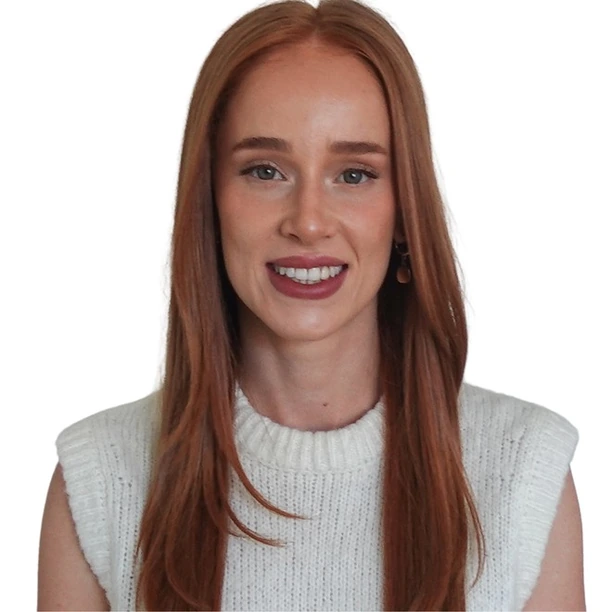
Claire is a Masters-qualified Registered Counsellor and Psychotherapist working with individuals and couples on relationships, attachment and emotional wellbeing. Warm and collaborative, she creates a supportive space for clients to work through what feels difficult, at their own pace.

Mike has a Doctorate in Clinical Psychology and over 20 years experience working with individuals and couples. His success as a counsellor is consistently demonstrated by the deep clinical relationship he has with clients.
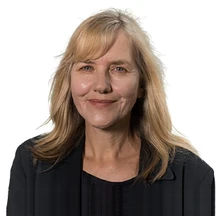
Jennifer is a Masters-qualified counsellor with many years of experience. Collaborative and process-orientated, Jenny works with both individual and couples clients to develop healthier relationships with themselves and with others.
Individuals ✓Couples ✓After hours ✓
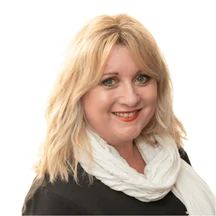
Megan is a Registered Counsellor with extensive experience supporting individuals and couples. Warm and empathetic, Megan uses an evidence-based, person-centred approach to help clients gain insight and create meaningful change. She is also an Accredited Mediator.
Individuals ✓Couples ✓After hours ✓

Atia is a degree-qualified counsellor with over 15 years experience working with individuals and couples. Compassionate and supportive, Atia supports her clients to develop self-awareness, empowering them to improve their wellbeing.
Individuals ✓Couples ✓Weekends ✓Czech ✓

Graciela is a Masters-qualified counsellor with over 15 years experience working with individuals and couples. With a gentle approach, Graciela helps her clients develop awareness and gain control of their lives and relationships.
Individuals ✓Couples ✓Weekends ✓Spanish ✓

Neri is a Masters-qualified counsellor and psychotherapist with over 10 years experience working with both individuals and couples. Compassionate and insightful, Neri empowers her clients to transform their lives and relationships.
Individuals ✓Couples ✓After hours ✓Vietnamese ✓

Revi holds a Master of Social Work (Counselling) and has over 20 years experience counselling both individuals and couples. Compassionate and client-centred, Revi is passionate about helping her clients navigate life’s challenges.
Individuals ✓Couples ✓After hours ✓Hebrew ✓

Jenna is an Accredited Mental Health Social Worker with over 15 years' experience across government health services and private practice. Warm and trauma-informed, Jenna works with individuals and couples to build safety, understanding and stronger connection, and build more secure connections with themselves and others.
Individuals ✓Couples ✓After hours ✓
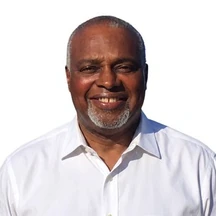
Howard is a Registered Psychologist with over 25 years experience working with individuals, couples and families. He uses a practical but supportive approach, aiming to assist his clients to achieve their goals as quickly as possible.
Individuals ✓Couples ✓Weekends ✓

Christine is a tertiary-qualified counsellor with over 20 years experience working with individuals and couples. She emphasises a collaborative approach to therapy, working with the client as an active partner in their treatment.
Individuals ✓Couples ✓Weekends ✓

Chris is a Masters-qualified Counsellor and Psychotherapist who works with individuals and couples. Open and empathetic, Chris draws on his clients’ curiosity, creativity and inherent strengths to make a meaningful and empowering difference in their lives.
Individuals ✓Couples ✓After hours ✓

Gaul is an Accredited Mental Health Social Worker with over 17 years experience supporting individuals, couples and families, in hospital settings and private practice. Transparent, curious and collaborative, he works in partnership with his clients.
Individuals ✓Couples ✓

Laura is a Masters-qualified counsellor with extensive experience. Known for her warm and grounded presence, Laura helps individuals, couples and parents to uncover their own capacity for healing and meaningful change.
Individuals ✓Couples ✓Weekends ✓

Andrea is a Registered Psychologist with over 20 years experience working with individuals and couples. Andrea helps her clients process and regulate their emotions, working with mind and body to sustain long-lasting change.
Individuals ✓Couples ✓Weekends ✓German ✓

John is a tertiary-qualified counsellor and one of our most experienced therapists. John works with individuals and couples to build awareness of the patterns behind their decisions and lead more empowered and fulfilling lives. He is Gottman qualified.
Individuals ✓Couples ✓
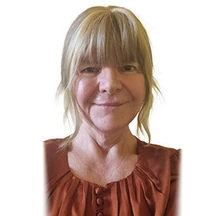
Rose is a Masters-qualified counsellor and Registered Mental Health Social Worker with over 20 years experience. Working with both individuals and couples, Rose empowers her clients to enhance their wellbeing and achieve their goals.
Individuals ✓Couples ✓

Di is a Masters-qualified counsellor with over 10 years private practice experience. Empathic and collaborative, she works alongside her clients to make sense of what they are facing and find a way forward.
Individuals ✓Couples ✓
Pauline is a Registered Counsellor with almost 20 years of experience in both New Zealand and Australia. Warm and caring, Pauline works with individuals, couples and families, helping them build understanding and stronger connections.
Individuals ✓Couples ✓Weekends ✓
Alexandra is a degree-qualified counsellor and relationship therapist with 15 years of experience across government and not-for-profit services. Accepting and down-to-earth, Alexandra works with individuals and couples, inviting clients to come as they are and work towards meaningful change.
Individuals ✓Couples ✓Weekends ✓Greek ✓
Daniel is a tertiary-qualified counsellor with over 10 years of experience, working with both individuals and couples. Easy to talk to and quick to build trust, Daniel recognises each person’s strengths and helps them gain greater agency in their lives.
Individuals ✓Couples ✓After hours ✓
Theodora is a Registered Psychologist with over 10 years of experience, working with both individuals and couples. Warm and compassionate, Theodora helps her clients make sense of their experiences and build stronger, more secure relationships.
Individuals ✓Couples ✓Weekends ✓Greek ✓
Ali is a Masters-qualified counsellor with over 15 years of experience. Calm and compassionate, Ali works with individuals and couples, helping them feel safe, understood and better equipped to move forward.
Individuals ✓Couples ✓Weekends ✓Arabic ✓
Not sure who to choose?
Weekdays 9am to 6pm, a person answers
After hours, or any time
We have practices across Sydney, the coast and the Illawarra, and a full telehealth team. Our intake specialists know who works with what, and they will point you to the right person, whether that is near home, near work or online.
Step 1
Call us weekdays between 9am and 6pm and one of our intake team picks up. They will ask what is going on and talk you through the options before you commit to anything.
Step 2
The fit between you and your therapist is the strongest thing we know of for making therapy work. We match on what you are facing, the approach you prefer, gender, language and how far you can travel.
Step 3
We confirm your booking in writing so that you know when and where you’ll be meeting your new therapist.
Arguments like these probably aren’t really about the dishes, the kids or the tomatoes… rather, you are probably getting into arguments about these things because you are simply not communicating well.
Often, couples get into arguments about minor transgressions as a way to cover up real issues that have been left unaddressed. Failing to address and communicate about significant issues or concerns leads to resentment and repressed anger, both of which will ultimately lead to a dissatisfying relationship or relationship breakdown.
At other times the silly arguments are the result of negative communication patterns where both you and your partner are making assumptions and insinuations about what each of you are saying, playing into your frustrations and fears, failing to properly listen to each other.
This kind of unhealthy communication is not always indicative of the way that you actually feel about each other, it’s just a nasty argument cycle that you can’t seem to avoid.
Couples counselling can help you understand and improve the way you communicate with your partner, teaching you skills such as empathy, patience and listening which can help you break your argument cycles.
Relationship counselling gurus Dr John Gottman and Dr Julie Schwartz Gottman* explain the four main communication issues which lead couples into negative argument cycles. These are:
Criticism happens when you are critical of your partner’s personality, rather than their action or behaviour. The Gottman’s distinguish a criticism from a complaint. They argue that expressing a complaint is an important component of a healthy relationship and reduces the likelihood of built-up suppressed anger.
Expressing a criticism, however, involves making an accusation against the person’s personality. A complaint often starts with an “I”, whereas a criticism will often start with “You”. For example, a complaint might be “I’d love to eat less fattening food for dinner” whereas a criticism might be “You always cook such fattening food for us”.
Contempt commonly follows criticism and it is problematic because it can be poisonous for your relationship. Contempt, according to the Gottman model, is statements made with the intention of insulting or psychologically wounding your partner.
Common ways in which contempt is often expressed in a relationship is through sarcastic remarks, antagonistic commentary, mocking behaviour or hostility. Contempt is a strong emotion but you would be surprised how often it is used amongst otherwise well-meaning couples. Contempt hurts your partner, and hurts your relationship.
Couples are often so focused on feeling defensive that it often becomes an instinctual reaction. It doesn’t matter what was said, or what was intended when they said it, the other person feels hurt and reacts defensively.
Effectively, defensive reactions means you are likely pre-guessing, not listening, and probably over-reacting. You are also not going to be very good at solving real problems in your relationship and you are probably highly reactive and fighting a lot of the time.
Stonewalling happens in a relationship when one or both people in the relationship stop reacting or responding to each other. This occurs most often after all of the other communication patterns, criticism, contempt and defensiveness, have been a standard part of your relationship for some time.
Likely, the couple is feeling so overwhelmed by the problems in their relationship that they simply withdraw emotionally from each other. Stonewalling is an active gesture in that it clearly intends to convey a lack of interest or care. Stonewalling is an indication that your relationship is coming unstuck.
All relationships suffer from these 4 communication patterns from time to time. It’s when these patterns become cyclical and habitual that you risk losing your relationship to ongoing arguments and intense dissatisfaction.
A trained relationship counsellor or couples therapist can help you identify your communication style, and offer you tools to help you avoid these negative communication patterns. With the help of a qualified psychologist or relationship counsellor, you can stop cyclical arguments in their tracks, and start enjoying your relationship again.
* Gottman, The Seven Principles for Making Marriage Work, Random House 2000
No referral is needed to start. For Medicare rebates, ask your GP about a Mental Health Treatment Plan. Please speak to our team about your options.
Most new clients are seen within days, sooner by telehealth. Many of our practices offer early morning, evening and weekend appointments, and our intake team will find the times that suit you.
Yes, you can choose either. You can see a clinician at one of our practices across Sydney, the coast and the Illawarra, or by video from anywhere in Australia, and many clients switch between the two.
Your clinician listens to what’s brought you in, asks about your goals, and agrees to a plan with you. There is never any pressure to share more than you’re ready to.
Sessions run for 55 minutes, and the fee depends on who you see. Counsellors start from $150, social workers and psychologists from $200, and clinical psychologists from $230. With a GP Mental Health Treatment Plan, a Medicare rebate may apply to sessions with a psychologist or a registered mental health social worker, so please speak to our staff about your options.
These are the things people come to us for.

Worry you cannot switch off, or panic that arrives out of nowhere.

Flat and exhausted, with no interest in things you used to enjoy.

Arguments that go round in circles, or drifting apart and not knowing how to talk about it.

We’ll help you spot triggers, slow the surge, and choose what happens next.

Drinking, drugs, gambling or porn that has got out of hand.

Days that feel chaotic, with everyday tasks harder than they should be.

Things that happened years ago that still affect how you feel now.

Compulsive sex or pornography use, and the issues that trigger it.

After a death, a diagnosis, or the end of something that mattered.

Food, weight and eating taking up more of the day than they should.

The full list of things our clinicians work with, across every practice and online.
Every clinician is fully registered and insured, and bound by their professional association's Code of Ethics, as our counsellor guarantee sets out.
Not sure which suits you? Speak to our team about your options.
Book with Sydney’s most trusted network
With a wealth of experience and a board of certified professionals, you know you’re in safe hands.
★★★★★I don’t usually write reviews but I was so impressed with Counselling Sydney I had to. They took such great care of my husband and me and really made us feel calmer about this whole process during the phone call. I'm confident they will find us the right counsellor. Great effort!
★★★★★For reasons of our own, my husband and I decided to get marriage counselling. We both rang ACS and were happy with the process and started with our new counseller next week.
★★★★★I can’t lie, I was a bit sceptical when my boyfriend suggested we use Counselling Sydney to find ourselves a therapist. They proved me wrong however and were so fast in getting back to us! Props to their customer service team for truly listening to what we needed!
Reviews are shown as written, about our booking and matching service.
Emotional intimacy is an essential component of any good relationship.
View page →Like all addictions, sex addiction can be defined as a compulsive pursuit of something which eventually does harm to the addict and their relationships with family and friends.
View page →Are you worried about the amount of time you are spending surfing porn online?
View page →Like most addictions, gambling addiction is a state where a person continues a certain behaviour to a harmful extent without being able to stop themselves from continuing.
View page →
Pre-Marriage Counselling gives you and your fiance a formal environment in which to discuss your expectations of married life.
View page →Choose a region to see its practices, their addresses and who works there.
Psychologist & Couples Counsellor
Naomi is a Registered Psychologist with over 20 years of experience. She holds a Bachelor of Arts (Psychology Honours) from Monash University and has been trained in a variety of therapies for individuals, couples, and families.
Having worked in both public settings and private practice, Naomi has the experience and training to assist her clients with a range of concerns, including, but not limited to, depression, anxiety, addictions, trauma, stress, self-esteem and relationships. Part of Naomi’s approach is to explore how her clients’ present issues have been influenced by their previous experiences.
When working with couples, Naomi aims to bring her clients into a space in which they can be oriented towards caring for, and empathising with, one another. She draws on Family Systems and Attachment theories to inform her approach, and she has been formally trained in Gottman Therapy.
Naomi also has a particular interest in perinatal mental health. She is a recognised provider of perinatal non-directive counselling, and her training in this area has provided her with the expertise to support individuals experiencing mental health issues before, during and after pregnancy.
Naomi’s personal therapeutic approach is warm, empathic and client-centred. She assists clients by drawing on their strengths and helping them develop the necessary skills required to overcome their difficulties, and improve coping.
Psychologist
$200 to $265
fee range, per 55-minute session
Please ask for the exact fee when you call.
You may be eligible for a Medicare rebate. Your GP can assess you and write a Mental Health Treatment Plan. Tell us if you already have one when you book, and ask for a psychologist or a registered mental health social worker, because the rebate only covers those. See the full fee table
Counsellor & Relationship Therapist
Claire is a Counsellor, Psychotherapist and Relationship Counsellor. She holds a Master of Counselling and Psychotherapy (ACAP) and a Bachelor of Liberal Arts and Science, majoring in Psychology, from the University of Sydney. She is a Professional Member of the Australian Counselling Association, a Certified Practising Registrant with the Psychotherapy and Counselling Federation of Australia, and a member of the International Centre for Excellence in Emotionally Focused Therapy.
Prior to training as a counsellor, Claire spent several years working in client-facing roles across the health technology and corporate sectors, including account management, client support and office administration, both in Australia and the UK. This experience gave her a solid grounding in listening closely to people and understanding what they need, something she draws on in her work with clients today.
As a counsellor in private practice, Claire works with both individuals and couples, supporting them with a range of concerns including anxiety, depression, grief, low self-worth, past trauma and interpersonal conflict. She has a particular interest in relationships, attachment and emotional connection.
Claire’s approach draws primarily on Emotionally Focused Therapy and EFIT, integrating psychodynamic, person-centred, trauma-informed and Gottman Method techniques. She describes her style as warm, collaborative and paced to the client, creating a space to explore what can be difficult to put into words, without judgement or pressure. Claire supports her clients toward greater self-understanding, emotional safety and healthier ways of relating over time.
Counsellor
$150 to $220
fee range, per 55-minute session
Please ask for the exact fee when you call.
No referral is needed, so you can start straight away. This fee does not attract a Medicare rebate. See the full fee table
Clinical Psychologist & Couple Counsellor
Mike is registered as a Clinical Psychologist and is a member of the Australian Psychological Society. He works with adults with anxiety disorders, depression, addictions, trauma, relationships and has a special interest in working with LGBTQ+ clients. His therapeutic approach uses CBT, ACT and mindfulness for letting go of unhelpful thoughts, being present with difficult emotions and connecting to your values; the things that really matter to you.
He completed his Doctorate in Clinical Psychology in 2003. His doctoral training included internships in adult mental health, forensics, child & family services, and intellectual disabilities. His post-doctoral training has included skills in ACT, DBT and training in professional supervision.
Mike has worked in sexual health services in London, community mental health services in Auckland, student counselling at the University of Auckland and as a forensic psychologist in Sydney. He is one of our most senior clinicians and has been providing online therapy since 2012.
Clinical psychologist
$230 to $245
fee range, per 55-minute session
Please ask for the exact fee when you call.
You may be eligible for a Medicare rebate. Your GP can assess you and write a Mental Health Treatment Plan. Tell us if you already have one when you book, and ask for a psychologist or a registered mental health social worker, because the rebate only covers those. See the full fee table
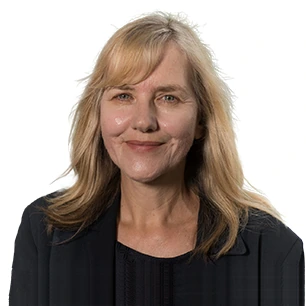
Counsellor & Relationship Therapist
Jenny is a Registered Psychotherapist and Clinical Counsellor and a member of the Psychotherapists and Counsellors Federation of Australia (PACFA). She holds both a Diploma of Applied Science from Avondale University NSW and a Masters of Counselling from Morling College.
Jenny has decades of experience working for CatholicCare in the health, safety and wellbeing spheres. She subsequently consolidated her experience as a counsellor and moved into private practice, where she works with both individuals and couples. Jenny has experience supporting her clients with a wide range of concerns, including anxiety, depression, self esteem issues, relationship concerns, anger management, eating issues and addiction. She is particularly experienced supporting clients presenting with moderate to severe traumatic stress, and has for many years supported clients through the Victims Services framework.
Jenny draws upon a range of different modalities including Cognitive Behaviour Therapy (CBT), Solution Focused Therapy, Emotion Focused Therapy (EFT), Sensorimotor Psychotherapy, Internal Family Systems, Narrative Therapy, and Person Centred Therapy, tailoring her approach to best meet the needs of each individual client. When working with couples, Jenny uses Emotion Focused Therapy (EFT) and the Development Model for Couples (Bader & Pearson).
Jenny is an empathetic and passionate practitioner. She approaches counselling from a collaborative and process oriented perspective to understand the client’s concerns, in order to provide a safe therapeutic environment to work on developing a healthy relationship with the self and others.
Counsellor
$150 to $220
fee range, per 55-minute session
Please ask for the exact fee when you call.
No referral is needed, so you can start straight away. This fee does not attract a Medicare rebate. See the full fee table
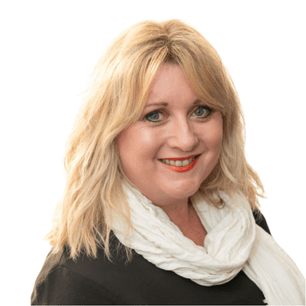
Counsellor & Relationship Therapist
Megan is a Registered Counsellor and member of the Australian Counselling Association. She holds a Diploma of Counselling from the Australian Institute of Counsellors, as well as advanced accreditations in a number of areas including suicide preventation, relationship counselling, conflict resolution, abuse and Aboriginal and Torres Strait Islander culture competence.
Throughout her career, Megan has worked extensively with a diverse range of clients in both the private and community health space. Prior to commencing private practice, Megan worked in corporate roles for a number of years, which required the facilitation of training programs and client management, helping her holistic and person-centred approach to counselling today.
In private practice, Megan creates a safe and empathetic atmosphere to facilitate the use of introspection to gain news understandings. Megan uses evidence-based interventions to observe and tailor her therapy to the individuals’ needs, as well as aid those in crisis to develop personalised long-term solutions. Her preferred approaches include Cognitive Behavioural Therapy (CBT), Solution Focused Therapy, Acceptance and Commitment Therapy (ACT), goal setting and Mindfulness. In her work with couples, Megan favours the Gottman approach
Megan is able to assist clients with a range of concerns, including depression, anxiety, relationships, intimacy, grief and loss, stress, body image, life skills, conflict resolution, as well as more complex mental health such as domestic violence and trauma. In her work with couples, Megan supports her clients to lessen conflict, increase intimacy and affection, remove barriers to feelings of stagnation and increase connection between partners.
Megan is a compassionate and altruistic practitioner focused on helping individuals and couples gain insight into their lives through a warm and empathetic approach. With a focus on building a trusting relationship and open environment in her sessions, Megan helps her clients to overcome life’s difficulties and live happier, more fulfilling lives.
Counsellor
$150 to $220
fee range, per 55-minute session
Please ask for the exact fee when you call.
No referral is needed, so you can start straight away. This fee does not attract a Medicare rebate. See the full fee table
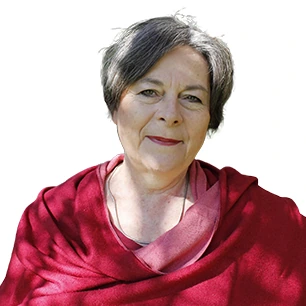
Counsellor & Relationship Therapist
Atia is a psychotherapist and counsellor. She has over 15 years of experience providing support to individuals, couples and families. She holds a Bachelor of Social Sciences (Counselling) from the Australian College of Applied Psychology and is a clinical member of the Psychotherapy and Counselling Federation of Australia (PACFA).
Prior to moving to private practice, Atia worked as a counsellor across multiple organisations, providing support to a diversity of individuals, including refugees and asylum seekers, carers of individuals living with complex mental illness and adult survivors of child abuse. Atia has expertise in providing effective treatment for issues such as anxiety, depression, PTSD, addictions, grief, sleep, low self-esteem and relationships. She also specialises in trauma, with extensive experience supporting survivors of psychological, sexual and physical abuse, assault and domestic violence. In her work with couples, Atia works with issues such as communication, separation and divorce, infertility and life transitions.
Atia is trained in a range of therapeutic approaches, including Existential Therapy, Dialectical Behaviour Therapy (DBT), Mindfulness, Narrative Therapy, and Art Therapy. She employs an eclectic holistic approach to treatment, adapting her skills and knowledge to best suit the treatment needs of her clients.
In her work with clients, Atia aims to encourage insight and self-awareness, and improve her clients’ self-esteem, creativity, self-care, empathy, critical thinking, and the ability to adjust to challenging circumstances. With an emphasis on being a compassionate, non-judgmental and present therapist, she hopes to provide her clients with control over their journey to address their issues in a safe and empowering manner.
Counsellor
$150 to $220
fee range, per 55-minute session
Please ask for the exact fee when you call.
No referral is needed, so you can start straight away. This fee does not attract a Medicare rebate. See the full fee table

Counsellor & Relationship Therapist
Graciela is a Registered Counsellor and couples therapist, with over 15 years experience in the mental health space. She holds both a Bachelor of Social Work from the University of Western Sydney, an Advanced Diploma in Individual and Family Counselling, and a Masters in Counselling from Monash University.
Beginning her career in the government sector, Graciela assessed, supervised and treated vulnerable members of the population, developing programs and interventions for at-risk youth and victims of domestic violence. From her time at the Department of Juvenile Justice, Graciela provided individualised counselling to clients from diverse backgrounds, developing her personalised approach to therapy today.
In private practice, Graciela’s approach to therapy is founded in pragmatism, focusing on empowering her clients to achieve their goals, develop resilience and strengthen their emotional and mental health to overcome life’s challenges. Utilising an eclectic mix of modalities, Graciela prioritises approaches such as Cognitive Behavioural Therapy (CBT), Psychodynamic Psychotherapy, Trauma Informed Therapy, Systemic Family Therapy, Acceptance and Commitment Therapy (ACT) and Emotionally Focused Therapy (EFT). Within her sessions, Graciela can assist clients in a range of concerns, including depression, anxiety, self-esteem, relationship issues, career/transition issues, as well as more complex mental health such as trauma, suicidal ideation and victims of domestic violence.
As a couples and family therapist, Graciela is passionate about seeing relationships develop, often aiding her clients in communication, stagnation, intimacy concerns, arguments and identifying key concerns inhibiting connection.
Graciela is a warm and empathetic practitioner whose gentle and gracious approach encourages clients to feel at ease within her sessions. Through developing her patients’ awareness and understanding of their own circumstances, Graciela enables individuals to explore their presenting concerns and gain control over their life and relationships for the better.
Counsellor
$150 to $220
fee range, per 55-minute session
Please ask for the exact fee when you call.
No referral is needed, so you can start straight away. This fee does not attract a Medicare rebate. See the full fee table

Counsellor & Relationship Therapist
Neri is a Registered Counsellor and Psychotherapist with more than 10 years experience in the mental health field. She holds extensive qualifications relevant to her work, including a Bachelor of Science (Psychology) from the University of Sydney, as well as both a Postgraduate Diploma of Counselling and a Master of Counselling and Psychotherapy. Neri is also a clinical member and accredited supervisor of the Psychotherapy and Counselling Federation of Australia.
Throughout her career, Neri has worked extensively with a diverse range of individuals, couples and families across multiple sectors, including public, private, community and corporate health. Prior to moving into private practice, Neri worked in a hospital setting, providing inpatient support to at-risk patients, using evidence-based mental health assessments to cater for their individual needs. She has also led, supported and supervised a variety of psychologically-based programs aimed at developing employment opportunities for NDIS participants.
In private practice, Neri focuses on empowering her clients using an integrated and person-centred approach, which includes such modalities as Solution-Focused Brief Therapy, Cognitive Behavioural Therapy (CBT), Mindfulness-Based Therapy and Psychodynamic methods. In her sessions, Neri assists her clients with a variety of concerns including depression, anxiety, stress, phobias, body image, harassment, chronic pain, gender issues, grief and loss, religious and identity concerns, as well as more complex mental health such as brain injuries, trauma and PTSD, addiction and dependencies. She has experience working with persons presenting on the autism spectrum or with intellectual disabilities.
In her work with couples, Neri believes in the strength of connectedness, and can assist clients with communication problems, parenting concerns, infidelidity, stagnation and sexual issues.
Neri is a compassionate and insightful counsellor, who aims to transform her clients’ situations through catering to their individual needs. Through creating trusting and safe environments during her sessions, Neri empowers her clients to move towards a happier and healthier life.
Counsellor
$150 to $220
fee range, per 55-minute session
Please ask for the exact fee when you call.
No referral is needed, so you can start straight away. This fee does not attract a Medicare rebate. See the full fee table
Counsellor & Relationship Therapist
Revi is a professional Psychotherapist and Counsellor and an Accredited Mental Health Social Worker, with over two decades of experience counselling both individuals and couples. Revi holds both a Bachelor of Arts in Social Work and a Masters of Social Work (Counselling).
Revi is experienced in working with a range of presentations including anxiety, stress, trauma, depression, relationship dynamics, conflict resolution and family support. She is an experienced relationship therapist. She also has experience in veteran and family counselling, addressing substance misuse and transition challenges. Additionally, Revi has worked with corporate clients providing workplace mental health support and has experience with critical incident responses and as an EAP provider.
As a counsellor, Revi is compassionate, holistic and client-centred. She utilises various evidence-based approaches including, Cognitive Behavioural Therapy, Acceptance and Commitment Therapy, Mindfulness, Trauma-Informed care, the Gottman Method of relationship therapy, and Imago.
Revi tailors her services to meet each of her client’s unique needs and works collaboratively to create a supportive and empowering environment during her sessions. Revi is passionate about helping her clients navigate life’s challenges, foster resilience and achieve personal growth.
Counsellor
$150 to $220
fee range, per 55-minute session
Please ask for the exact fee when you call.
No referral is needed, so you can start straight away. This fee does not attract a Medicare rebate. See the full fee table