
Mike has a Doctorate in Clinical Psychology and over 20 years experience working with individuals and couples. His success as a counsellor is consistently demonstrated by the deep clinical relationship he has with clients.


Couple counselling
Couple counselling is a way to resolve the conflicts that have arisen between you and your partner. Marriage or couples counsellors teach their clients how to improve their communication skills for healthier exchanges and a clearer expression of thoughts and feelings. Counsellors also help couples to restore lost or diminished intimacy.

We see people for relationship and marriage problems at our Bella Vista, Lane Cove, Castle Hill, St Leonards and Miranda practices, and online.
Mike has a Doctorate in Clinical Psychology and over 20 years experience working with individuals and couples. His success as a counsellor is consistently demonstrated by the deep clinical relationship he has with clients.
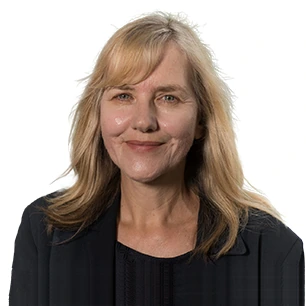
Jennifer is a Masters-qualified counsellor with many years of experience. Collaborative and process-orientated, Jenny works with both individual and couples clients to develop healthier relationships with themselves and with others.
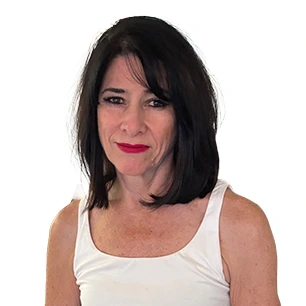
Christine is a tertiary-qualified counsellor with over 20 years experience working with individuals and couples. She emphasises a collaborative approach to therapy, working with the client as an active partner in their treatment.

Atia is a degree-qualified counsellor with over 15 years experience working with individuals and couples. Compassionate and supportive, Atia supports her clients to develop self-awareness, empowering them to improve their wellbeing.
Individuals ✓Couples ✓Weekends ✓Czech ✓
Revi holds a Master of Social Work (Counselling) and has over 20 years experience counselling both individuals and couples. Compassionate and client-centred, Revi is passionate about helping her clients navigate life’s challenges.
Individuals ✓Couples ✓After hours ✓Hebrew ✓

Naomi is a Registered Psychologist with over 20 years experience. Warm, empathetic and client-centred, Naomi works with individuals and couples to draw on their strengths to overcome difficulties. She is Gottman certified.
Individuals ✓Couples ✓
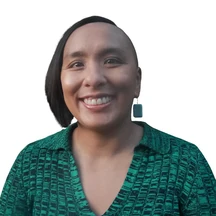
Jenna is an Accredited Mental Health Social Worker with over 15 years' experience across government health services and private practice. Warm and trauma-informed, Jenna works with individuals and couples to build safety, understanding and stronger connection, and build more secure connections with themselves and others.
Individuals ✓Couples ✓After hours ✓

Neri is a Masters-qualified counsellor and psychotherapist with over 10 years experience working with both individuals and couples. Compassionate and insightful, Neri empowers her clients to transform their lives and relationships.
Individuals ✓Couples ✓After hours ✓Vietnamese ✓

Claire is a Masters-qualified Registered Counsellor and Psychotherapist working with individuals and couples on relationships, attachment and emotional wellbeing. Warm and collaborative, she creates a supportive space for clients to work through what feels difficult, at their own pace.
Individuals ✓Couples ✓Weekends ✓
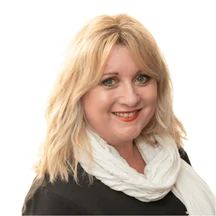
Megan is a Registered Counsellor with extensive experience supporting individuals and couples. Warm and empathetic, Megan uses an evidence-based, person-centred approach to help clients gain insight and create meaningful change. She is also an Accredited Mediator.
Individuals ✓Couples ✓After hours ✓
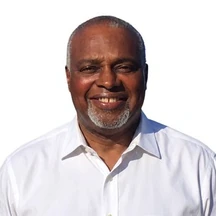
Howard is a Registered Psychologist with over 25 years experience working with individuals, couples and families. He uses a practical but supportive approach, aiming to assist his clients to achieve their goals as quickly as possible.
Individuals ✓Couples ✓Weekends ✓

Graciela is a Masters-qualified counsellor with over 15 years experience working with individuals and couples. With a gentle approach, Graciela helps her clients develop awareness and gain control of their lives and relationships.
Individuals ✓Couples ✓Weekends ✓Spanish ✓

Laura is a Masters-qualified counsellor with extensive experience. Known for her warm and grounded presence, Laura helps individuals, couples and parents to uncover their own capacity for healing and meaningful change.
Individuals ✓Couples ✓Weekends ✓

Andrea is a Registered Psychologist with over 20 years experience working with individuals and couples. Andrea helps her clients process and regulate their emotions, working with mind and body to sustain long-lasting change.
Individuals ✓Couples ✓Weekends ✓German ✓

Di is a Masters-qualified counsellor with over 10 years private practice experience. Empathic and collaborative, she works alongside her clients to make sense of what they are facing and find a way forward.
Individuals ✓Couples ✓

Gaul is an Accredited Mental Health Social Worker with over 17 years experience supporting individuals, couples and families, in hospital settings and private practice. Transparent, curious and collaborative, he works in partnership with his clients.
Individuals ✓Couples ✓
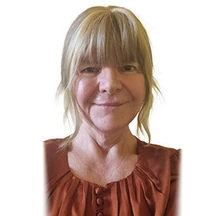
Rose is a Masters-qualified counsellor and Registered Mental Health Social Worker with over 20 years experience. Working with both individuals and couples, Rose empowers her clients to enhance their wellbeing and achieve their goals.
Individuals ✓Couples ✓

John is a tertiary-qualified counsellor and one of our most experienced therapists. John works with individuals and couples to build awareness of the patterns behind their decisions and lead more empowered and fulfilling lives. He is Gottman qualified.
Individuals ✓Couples ✓

Chris is a Masters-qualified Counsellor and Psychotherapist who works with individuals and couples. Open and empathetic, Chris draws on his clients’ curiosity, creativity and inherent strengths to make a meaningful and empowering difference in their lives.
Individuals ✓Couples ✓After hours ✓
Ali is a Masters-qualified counsellor with over 15 years of experience. Calm and compassionate, Ali works with individuals and couples, helping them feel safe, understood and better equipped to move forward.
Individuals ✓Couples ✓Weekends ✓Arabic ✓
Theodora is a Registered Psychologist with over 10 years of experience, working with both individuals and couples. Warm and compassionate, Theodora helps her clients make sense of their experiences and build stronger, more secure relationships.
Individuals ✓Couples ✓Weekends ✓Greek ✓
Daniel is a tertiary-qualified counsellor with over 10 years of experience, working with both individuals and couples. Easy to talk to and quick to build trust, Daniel recognises each person’s strengths and helps them gain greater agency in their lives.
Individuals ✓Couples ✓After hours ✓
Alexandra is a degree-qualified counsellor and relationship therapist with 15 years of experience across government and not-for-profit services. Accepting and down-to-earth, Alexandra works with individuals and couples, inviting clients to come as they are and work towards meaningful change.
Individuals ✓Couples ✓Weekends ✓Greek ✓
Pauline is a Registered Counsellor with almost 20 years of experience in both New Zealand and Australia. Warm and caring, Pauline works with individuals, couples and families, helping them build understanding and stronger connections.
Individuals ✓Couples ✓Weekends ✓
Not sure who to choose?
Weekdays 9am to 6pm, a person answers
After hours, or any time
We have practices across Sydney, the coast and the Illawarra, and a full telehealth team. Our intake specialists know who works with what, and they will point you to the right person, whether that is near home, near work or online.
Step 1
Call us weekdays between 9am and 6pm and one of our intake team picks up. They will ask what is going on and talk you through the options before you commit to anything.
Step 2
The fit between you and your therapist is the strongest thing we know of for making therapy work. We match on what you are facing, the approach you prefer, gender, language and how far you can travel.
Step 3
We confirm your booking in writing so that you know when and where you’ll be meeting your new therapist.
Very often, a couple fight because they are experiencing stress and frustration. Poor communication skills add to the frustration, because often when we fight we do not feel we are being heard. Instead, we feel like our partner is so focused on what they have to say that they are not hearing us at all.
Counselling provides a safe, protected space where a couple can talk in the presence of a counsellor/mediator who will allow both of you to express their feelings and point of view without being interrupted, or being diverted from the issue that they want to discuss.
Counsellors make an effort not to take sides between the couple, although a counsellor may challenge a client’s perceptions that contrast with observed behaviours. The counsellor may act as a role model by enacting healthy communication skills.
That is, a counsellor, psychologist or therapist will listen intently, without interrupting, and then may rephrase the information that was expressed so that the client feels that they have been understood. They will also teach and train you and your partner in better listening and communication skills. (This article is electronically protected, Copyright © Associated Counsellors & Psychologists Sydney PTY LTD)
One of the very simple but foundational aspects of couples counseling, often includes working on communication skills and self responsibility for emotions. Counsellors work with clients to make “I” statements in which they identify feelings they are experiencing, rather than place the responsibility for those feelings on their partner. For example:
Carry: I wish you would not go over to Rick’s for poker tonight. I wanted to spend some time with you talking about how to set up our self-managed super fund.
Jeff: This is the only night I have to do something fun. Why can’t you leave me alone for one night so that I can do something just for me?
Carry: I’m not trying to pick a fight with you. I just think this is important and something we should spend some time working on together. I’m feeling like this is something we need to talk about and I do not want to make these decisions all by myself.
Jeff: Fine. How about this, we’ll talk about the super fund for an hour, but then at 7, I’m going over to Rick’s so I can play poker.
Carry: Okay. At least we can start talking about it. Maybe we can plan on another time later this week when we can talk about it more?
By accepting the disagreement, and talking to each other without blame, Jeff and Carry are able to come to an acceptable outcome without escalating into an argument. They are both able to clearly communicate, and take responsibility for, their needs and wants in this situation.
This type of communication is precisely the kind of skill that relationship counselling helps couples accomplish. (This article is electronically protected, Copyright © Associated Counsellors & Psychologists Sydney PTY LTD)
Couples also develop patterns of behaviour or miscommunication that often trigger their arguments and dissatisfaction. These may relate to underlying unresolved issues that need addressing, or may be entrenched misunderstandings that, once examined, simply don’t play out. These often display over the most simple and everyday events. For example:
Tom: Can you pass the salt please?
Janine: You always complain about my cooking! Nothing is ever good enough for you. I’ve been at home all day with the kids, I prepare a nice meal for you, and all you do is whinge.
Tom’s request for salt may have been just that, and innocent request for salt. But Janine is obviously feeling undervalued by Tom at some level. However, Janine’s lack of good communication skills (her inability to accept responsibility for her emotions and perhaps her failure to have addressed an underlying issue with Tom in the past) leads her to behave irrationally and start an unnecessary argument.
Tom might just let it go, and address it with her when she is calmer, or he might respond with frustration and anger, and a fight is born over salt! Couples counselling can aid couples to regulate communication and avoid irrelevant fights.
Couples who are experiencing high levels of conflict can benefit tremendously from seeing a relationship or marriage counsellor. Not only does each partner have the opportunity to voice their perspective and viewpoint in a mediated and safe setting, but they have the chance to learn about conflict management skills, and how to have a dispute with their spouse or partner without damaging the relationship in the process.
Couples who are in need of improving their communication skills also benefit from going to relationship counselling. Very often, frustration and anger result when we feel that we are not being truly heard. At the same time, it is important for us to learn how to listen intently, just as it is important to learn how to communicate our thoughts and feelings effectively.
Finally, couples who are on the verge of separation, sometimes benefit from seeing a relationship or marriage counsellor, because this may help them decide if the relationship is salvageable. In other instances, working with a counsellor to evaluate the relationship and to find a reasonable and civil way in which to end things can be the best solution for the couple.
Yes, there are definitely reasons for couples to occasionally return to relationship counselling as a way to reconnect and refresh their communication and conflict management skills.
Even couples who have strong relationships can benefit from a “tune up” during times of stress or difficult life transitions, such as impending retirement, when children leave for school or begin their own adult lives, or other periods that may result in higher levels of stress or difficulty. (This article is electronically protected, Copyright © Associated Counsellors & Psychologists Sydney PTY LTD)
Jeff and Carry married five years ago and have been together for almost 10 years. They have two children, Jessica, who is 18 months old, and Greogry, who is 4 years old. Lately Jeff and Carry have been fighting more and more often and they just cannot seem to get along.
Tired of the fighting and nights spent without any displays of affection or intimacy, Carry suggests that they see a couples counsellor for relationship counselling to help improve, if not save, their marriage.
During the first session, the counsellor describes her approach to working with couples. She makes clear that she will not take sides, but that she will encourage them both to talk about their feelings and perceptions and that she will help mediate the conversation between them.
After several sessions, it becomes clear that both Jeff and Carry are frustrated with a number of things in the relationship. They are both worried about money. Further, tension arises in their relationship because Jeff wants to have more children, but Carry feels like she carries the burden of raising the children, having set aside her own career in order to do so.
Another issue which surfaces, is that Carry feels like Jeff spends most of his free time with his friends, instead of spending time with her and the kids. Jeff expresses his feelings that Carry smothers him and he just wants to spend some quiet time without any pressure, especially after a hard week at work.
As the therapy progresses, both Carry and Jeff find themselves able to express their feelings without being interrupted and without feeling as if they need to edit what they say. The counsellor takes care to clarify anything that is ambiguous and makes sure that her clients are using good communication skills.
In the process, she teaches Carry and Jeff improved communication methods and that they are each responsible for their own emotions. (This article is electronically protected, Copyright © Associated Counsellors & Psychologists Sydney PTY LTD)
Another important lesson that the counsellor teaches both Carry and Jeff is that fighting between couples is natural, but that there are ways in which they can fight, and express feelings of frustration and anger, without hurting each other in the process.
After 8 weeks of counselling, both Jeff and Carry begin to realise that they are fighting less often and are feeling as if they are hearing and understanding each other better. They are enjoying each other more and their relationship is back on track.
If you and your partner would like some help improving your relationship, or to book a consultation with a qualified psychologist or couples counsellor, or to obtain further advice, please contact Associated Counsellors & Psychologists Sydney
No referral is needed to start. For Medicare rebates, ask your GP about a Mental Health Treatment Plan. Please speak to our team about your options.
Most new clients are seen within days, sooner by telehealth. Many of our practices offer early morning, evening and weekend appointments, and our intake team will find the times that suit you.
Yes, you can choose either. You can see a clinician at one of our practices across Sydney, the coast and the Illawarra, or by video from anywhere in Australia, and many clients switch between the two.
Your clinician listens to what’s brought you in, asks about your goals, and agrees to a plan with you. There is never any pressure to share more than you’re ready to.
Sessions run for 55 minutes, and the fee depends on who you see. Counsellors start from $150, social workers and psychologists from $200, and clinical psychologists from $230. With a GP Mental Health Treatment Plan, a Medicare rebate may apply to sessions with a psychologist or a registered mental health social worker, so please speak to our staff about your options.
These are the things people come to us for.

Worry you cannot switch off, or panic that arrives out of nowhere.

Flat and exhausted, with no interest in things you used to enjoy.

We’ll help you spot triggers, slow the surge, and choose what happens next.

Drinking, drugs, gambling or porn that has got out of hand.

Days that feel chaotic, with everyday tasks harder than they should be.

Things that happened years ago that still affect how you feel now.

Compulsive sex or pornography use, and the issues that trigger it.

After a death, a diagnosis, or the end of something that mattered.

Food, weight and eating taking up more of the day than they should.

The full list of things our clinicians work with, across every practice and online.
Every clinician is fully registered and insured, and bound by their professional association's Code of Ethics, as our counsellor guarantee sets out.
Not sure which suits you? Speak to our team about your options.
Book with Sydney’s most trusted network
With a wealth of experience and a board of certified professionals, you know you’re in safe hands.
★★★★★Counselling Sydney’s team went above and beyond for my husband and me and made what could have been an awkward experience, super smooth. One phone call and form later and our first appointment was today. Thanks!.
★★★★★I have had some bad experiences finding counsellors in the past so I wanted to make sure the counsellor I found for my girlfriend and I was good the first time around. Counsellors Sydney asked a few key questions and was able to find us a suitable candidate that totally fit the bill. Very impressed with the attention to detail of this team.
★★★★★My girlfriend put it to me to find us a couples counsellor but I know nothing about this stuff. An internet search later, Counselling Sydney gave me a call to ask a few questions, sent us a form to fill out and had us options within days. Really speedy process, and super easy to understand.
Reviews are shown as written, about our booking and matching service.

Pre-Marriage Counselling gives you and your fiance a formal environment in which to discuss your expectations of married life.
View page →
Committed relationships often follow a predictable path, passing through several stages.
View page →
Sexual issues can have a real impact on your relationship and your sense of wellbeing.
View page →
When Cyber Relationships Threaten a Real Life Relationship.
View page →Like all addictions, sex addiction can be defined as a compulsive pursuit of something which eventually does harm to the addict and their relationships with family and friends.
View page →Choose a region to see its practices, their addresses and who works there.
Clinical Psychologist & Couple Counsellor
Mike is registered as a Clinical Psychologist and is a member of the Australian Psychological Society. He works with adults with anxiety disorders, depression, addictions, trauma, relationships and has a special interest in working with LGBTQ+ clients. His therapeutic approach uses CBT, ACT and mindfulness for letting go of unhelpful thoughts, being present with difficult emotions and connecting to your values; the things that really matter to you.
He completed his Doctorate in Clinical Psychology in 2003. His doctoral training included internships in adult mental health, forensics, child & family services, and intellectual disabilities. His post-doctoral training has included skills in ACT, DBT and training in professional supervision.
Mike has worked in sexual health services in London, community mental health services in Auckland, student counselling at the University of Auckland and as a forensic psychologist in Sydney. He is one of our most senior clinicians and has been providing online therapy since 2012.
Clinical psychologist
$230 to $245
fee range, per 55-minute session
Please ask for the exact fee when you call.
You may be eligible for a Medicare rebate. Your GP can assess you and write a Mental Health Treatment Plan. Tell us if you already have one when you book, and ask for a psychologist or a registered mental health social worker, because the rebate only covers those. See the full fee table
Counsellor & Relationship Therapist
Jenny is a Registered Psychotherapist and Clinical Counsellor and a member of the Psychotherapists and Counsellors Federation of Australia (PACFA). She holds both a Diploma of Applied Science from Avondale University NSW and a Masters of Counselling from Morling College.
Jenny has decades of experience working for CatholicCare in the health, safety and wellbeing spheres. She subsequently consolidated her experience as a counsellor and moved into private practice, where she works with both individuals and couples. Jenny has experience supporting her clients with a wide range of concerns, including anxiety, depression, self esteem issues, relationship concerns, anger management, eating issues and addiction. She is particularly experienced supporting clients presenting with moderate to severe traumatic stress, and has for many years supported clients through the Victims Services framework.
Jenny draws upon a range of different modalities including Cognitive Behaviour Therapy (CBT), Solution Focused Therapy, Emotion Focused Therapy (EFT), Sensorimotor Psychotherapy, Internal Family Systems, Narrative Therapy, and Person Centred Therapy, tailoring her approach to best meet the needs of each individual client. When working with couples, Jenny uses Emotion Focused Therapy (EFT) and the Development Model for Couples (Bader & Pearson).
Jenny is an empathetic and passionate practitioner. She approaches counselling from a collaborative and process oriented perspective to understand the client’s concerns, in order to provide a safe therapeutic environment to work on developing a healthy relationship with the self and others.
Counsellor
$150 to $220
fee range, per 55-minute session
Please ask for the exact fee when you call.
No referral is needed, so you can start straight away. This fee does not attract a Medicare rebate. See the full fee table
Counsellor & Relationship Therapist
Christine is a professional counsellor and psychotherapist. She holds a Bachelor in Social Science, a Graduate Certificate in Psychotherapy Studies and is a member of the Australian Somatic Psychotherapy Association and the Australian Hypnotherapist’s Association.
Christine has over 20 years experience as a clinical counsellor in the public sector (for the NSW Police and Women’s Health) and in private practice. She has experience working with a range of client presentations, including self-esteem, trauma, grief, sexual abuse, domestic violence, parenting, relationship issues, anxiety, depression, post natal depression, workplace stress, disorders of the self and addictive behaviour.
Whilst Christine’s underlying framework is psychodynamic and humanist, she takes a client-centred approach to her therapeutic interventions and utilizes a variety of therapeutic approaches depending on the client’s specific issues and emotional capacity. Christine believes that each person’s requirements are unique and her therapy is guided by that belief. This is a collaborative approach, whereby Christine works together with the client to form a therapeutic alliance.
Both conscious and unconscious processes are explored as people are helped to manage their thoughts and emotions, and challenge patterns of behavior - enabling change, where desired, and better ways of being and living. When Christine works with couples, she uses a combined approach drawing on intra-psychic and systemic modalities, understanding the individuals and what happens between them as a system of relating.
Christine works with the client as a whole person, rather than as a set of ‘symptoms’ or ‘pathologies’ to be treated. People manifest their emotional difficulties in different forms in an effort to adapt. Christine focuses her therapy on what works and the resources people have within to draw from and help them to understand that they can make changes and improve their experience of life.
Counsellor
$150 to $220
fee range, per 55-minute session
Please ask for the exact fee when you call.
No referral is needed, so you can start straight away. This fee does not attract a Medicare rebate. See the full fee table

Counsellor & Relationship Therapist
Atia is a psychotherapist and counsellor. She has over 15 years of experience providing support to individuals, couples and families. She holds a Bachelor of Social Sciences (Counselling) from the Australian College of Applied Psychology and is a clinical member of the Psychotherapy and Counselling Federation of Australia (PACFA).
Prior to moving to private practice, Atia worked as a counsellor across multiple organisations, providing support to a diversity of individuals, including refugees and asylum seekers, carers of individuals living with complex mental illness and adult survivors of child abuse. Atia has expertise in providing effective treatment for issues such as anxiety, depression, PTSD, addictions, grief, sleep, low self-esteem and relationships. She also specialises in trauma, with extensive experience supporting survivors of psychological, sexual and physical abuse, assault and domestic violence. In her work with couples, Atia works with issues such as communication, separation and divorce, infertility and life transitions.
Atia is trained in a range of therapeutic approaches, including Existential Therapy, Dialectical Behaviour Therapy (DBT), Mindfulness, Narrative Therapy, and Art Therapy. She employs an eclectic holistic approach to treatment, adapting her skills and knowledge to best suit the treatment needs of her clients.
In her work with clients, Atia aims to encourage insight and self-awareness, and improve her clients’ self-esteem, creativity, self-care, empathy, critical thinking, and the ability to adjust to challenging circumstances. With an emphasis on being a compassionate, non-judgmental and present therapist, she hopes to provide her clients with control over their journey to address their issues in a safe and empowering manner.
Counsellor
$150 to $220
fee range, per 55-minute session
Please ask for the exact fee when you call.
No referral is needed, so you can start straight away. This fee does not attract a Medicare rebate. See the full fee table
Counsellor & Relationship Therapist
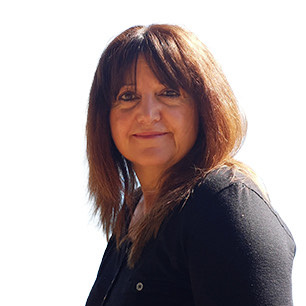
Revi is a professional Psychotherapist and Counsellor and an Accredited Mental Health Social Worker, with over two decades of experience counselling both individuals and couples. Revi holds both a Bachelor of Arts in Social Work and a Masters of Social Work (Counselling).
Revi is experienced in working with a range of presentations including anxiety, stress, trauma, depression, relationship dynamics, conflict resolution and family support. She is an experienced relationship therapist. She also has experience in veteran and family counselling, addressing substance misuse and transition challenges. Additionally, Revi has worked with corporate clients providing workplace mental health support and has experience with critical incident responses and as an EAP provider.
As a counsellor, Revi is compassionate, holistic and client-centred. She utilises various evidence-based approaches including, Cognitive Behavioural Therapy, Acceptance and Commitment Therapy, Mindfulness, Trauma-Informed care, the Gottman Method of relationship therapy, and Imago.
Revi tailors her services to meet each of her client’s unique needs and works collaboratively to create a supportive and empowering environment during her sessions. Revi is passionate about helping her clients navigate life’s challenges, foster resilience and achieve personal growth.
Counsellor
$150 to $220
fee range, per 55-minute session
Please ask for the exact fee when you call.
No referral is needed, so you can start straight away. This fee does not attract a Medicare rebate. See the full fee table

Psychologist & Couples Counsellor
Naomi is a Registered Psychologist with over 20 years of experience. She holds a Bachelor of Arts (Psychology Honours) from Monash University and has been trained in a variety of therapies for individuals, couples, and families.
Having worked in both public settings and private practice, Naomi has the experience and training to assist her clients with a range of concerns, including, but not limited to, depression, anxiety, addictions, trauma, stress, self-esteem and relationships. Part of Naomi’s approach is to explore how her clients’ present issues have been influenced by their previous experiences.
When working with couples, Naomi aims to bring her clients into a space in which they can be oriented towards caring for, and empathising with, one another. She draws on Family Systems and Attachment theories to inform her approach, and she has been formally trained in Gottman Therapy.
Naomi also has a particular interest in perinatal mental health. She is a recognised provider of perinatal non-directive counselling, and her training in this area has provided her with the expertise to support individuals experiencing mental health issues before, during and after pregnancy.
Naomi’s personal therapeutic approach is warm, empathic and client-centred. She assists clients by drawing on their strengths and helping them develop the necessary skills required to overcome their difficulties, and improve coping.
Psychologist
$200 to $265
fee range, per 55-minute session
Please ask for the exact fee when you call.
You may be eligible for a Medicare rebate. Your GP can assess you and write a Mental Health Treatment Plan. Tell us if you already have one when you book, and ask for a psychologist or a registered mental health social worker, because the rebate only covers those. See the full fee table
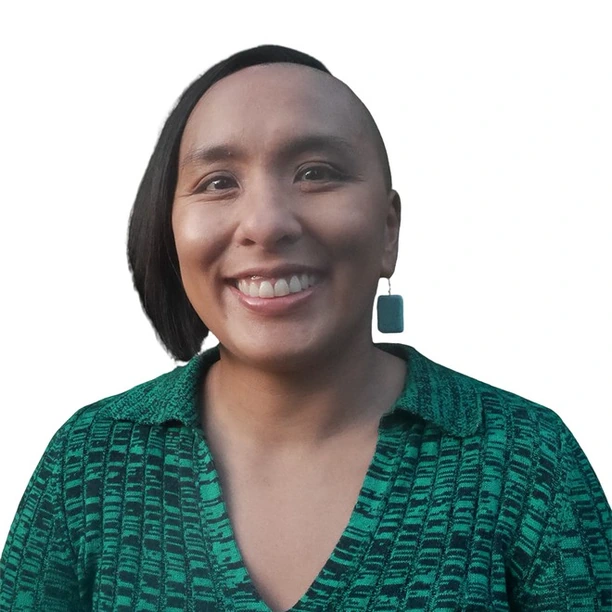
Accredited Mental Health Social Worker & Couple Therapist
Jenna is an Accredited Mental Health Social Worker and Relationship Therapist with over 15 years experience supporting individuals, couples and families. She holds a Master of Social Work from the University of Melbourne and is endorsed as a Specialist Couple Therapist by Relationships Australia (Victoria).
Jenna's career began in family services, supporting vulnerable children and families across a range of community and health settings. This included developing group programs for mothers experiencing mental health difficulties and social isolation, giving her broad experience across the different stages of family life. She now works in private practice where she works with clients from a broad cross section of the community.
Jenna supports both individuals and couples experiencing a wide range of issues including anxiety and depression, attachment and connection, historical or intergenerational trauma, sexual and intimacy issues, affairs, family conflict and communication difficulties. She has particular experience supporting neurodivergent clients, and holds a special interest in perinatal mental health, including the transition to parenthood, parent-child attachment, and birth trauma.
Jenna draws on a strengths-based, attachment, family-systems and trauma-informed framework, tailoring her approach to the needs of each client. She integrates Internal Family Systems therapy, Acceptance and Commitment Therapy and Gottman Method couple therapy, and is a qualified Circle of Security Parenting Facilitator, drawing on this when working with parents of young children.
Jenna works with individuals and couples to build an authentic, safe and trusting relationship in which to understand the challenges they face, helping clients build resilience and form deeper, more secure connections with themselves and others.
Accredited mental health social worker
$200 to $220
fee range, per 55-minute session
Please ask for the exact fee when you call.
You may be eligible for a Medicare rebate. Your GP can assess you and write a Mental Health Treatment Plan. Tell us if you already have one when you book, and ask for a psychologist or a registered mental health social worker, because the rebate only covers those. See the full fee table

Counsellor & Relationship Therapist
Neri is a Registered Counsellor and Psychotherapist with more than 10 years experience in the mental health field. She holds extensive qualifications relevant to her work, including a Bachelor of Science (Psychology) from the University of Sydney, as well as both a Postgraduate Diploma of Counselling and a Master of Counselling and Psychotherapy. Neri is also a clinical member and accredited supervisor of the Psychotherapy and Counselling Federation of Australia.
Throughout her career, Neri has worked extensively with a diverse range of individuals, couples and families across multiple sectors, including public, private, community and corporate health. Prior to moving into private practice, Neri worked in a hospital setting, providing inpatient support to at-risk patients, using evidence-based mental health assessments to cater for their individual needs. She has also led, supported and supervised a variety of psychologically-based programs aimed at developing employment opportunities for NDIS participants.
In private practice, Neri focuses on empowering her clients using an integrated and person-centred approach, which includes such modalities as Solution-Focused Brief Therapy, Cognitive Behavioural Therapy (CBT), Mindfulness-Based Therapy and Psychodynamic methods. In her sessions, Neri assists her clients with a variety of concerns including depression, anxiety, stress, phobias, body image, harassment, chronic pain, gender issues, grief and loss, religious and identity concerns, as well as more complex mental health such as brain injuries, trauma and PTSD, addiction and dependencies. She has experience working with persons presenting on the autism spectrum or with intellectual disabilities.
In her work with couples, Neri believes in the strength of connectedness, and can assist clients with communication problems, parenting concerns, infidelidity, stagnation and sexual issues.
Neri is a compassionate and insightful counsellor, who aims to transform her clients’ situations through catering to their individual needs. Through creating trusting and safe environments during her sessions, Neri empowers her clients to move towards a happier and healthier life.
Counsellor
$150 to $220
fee range, per 55-minute session
Please ask for the exact fee when you call.
No referral is needed, so you can start straight away. This fee does not attract a Medicare rebate. See the full fee table
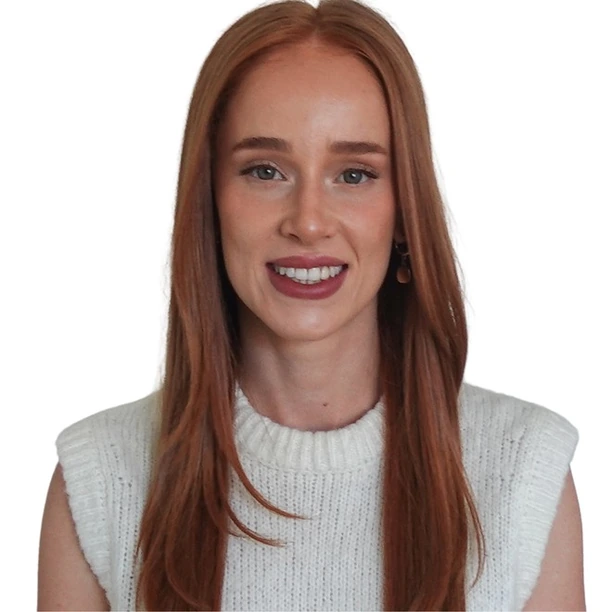
Counsellor & Relationship Therapist
Claire is a Counsellor, Psychotherapist and Relationship Counsellor. She holds a Master of Counselling and Psychotherapy (ACAP) and a Bachelor of Liberal Arts and Science, majoring in Psychology, from the University of Sydney. She is a Professional Member of the Australian Counselling Association, a Certified Practising Registrant with the Psychotherapy and Counselling Federation of Australia, and a member of the International Centre for Excellence in Emotionally Focused Therapy.
Prior to training as a counsellor, Claire spent several years working in client-facing roles across the health technology and corporate sectors, including account management, client support and office administration, both in Australia and the UK. This experience gave her a solid grounding in listening closely to people and understanding what they need, something she draws on in her work with clients today.
As a counsellor in private practice, Claire works with both individuals and couples, supporting them with a range of concerns including anxiety, depression, grief, low self-worth, past trauma and interpersonal conflict. She has a particular interest in relationships, attachment and emotional connection.
Claire’s approach draws primarily on Emotionally Focused Therapy and EFIT, integrating psychodynamic, person-centred, trauma-informed and Gottman Method techniques. She describes her style as warm, collaborative and paced to the client, creating a space to explore what can be difficult to put into words, without judgement or pressure. Claire supports her clients toward greater self-understanding, emotional safety and healthier ways of relating over time.
Counsellor
$150 to $220
fee range, per 55-minute session
Please ask for the exact fee when you call.
No referral is needed, so you can start straight away. This fee does not attract a Medicare rebate. See the full fee table