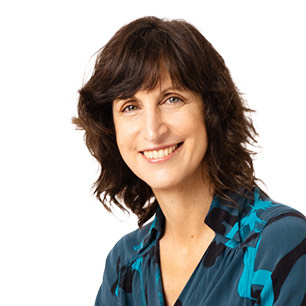
Neera is a Masters-qualified psychotherapist. Empathetic, thoughtful and intuitive, Neera works with individuals to strengthen their identity and reshape patterns.


Counselling, in person or online.
Complex Grief
Grief is an emotional state that is the result of a loss. The loss can be due to the death of a loved one, a pet or a job, or something else we deem important. Everyone experiences loss at some point in their life, and how they work through the stages of grief can have a tremendous impact on how well they adjust to life after loss.
We see people for grief and loss at our Dulwich Hill, Glebe, Bondi Junction, St Leonards and Surry Hills practices, and online.

Neera is a Masters-qualified psychotherapist. Empathetic, thoughtful and intuitive, Neera works with individuals to strengthen their identity and reshape patterns.
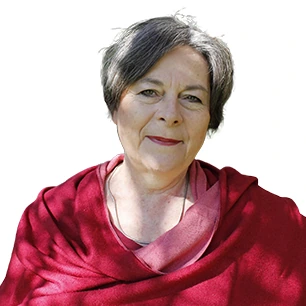
Atia is a degree-qualified counsellor with over 15 years experience working with individuals and couples. Compassionate and supportive, Atia supports her clients to develop self-awareness, empowering them to improve their wellbeing.
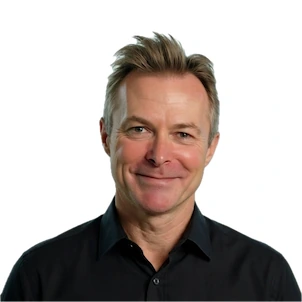
Paul is a Registered Psychologist and SIRA-accredited practitioner with a background in the corporate space. Empathetic and personable, Paul is dedicated to supporting meaningful change in the lives of his clients.
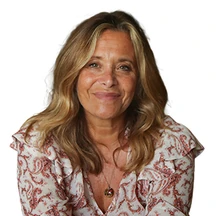
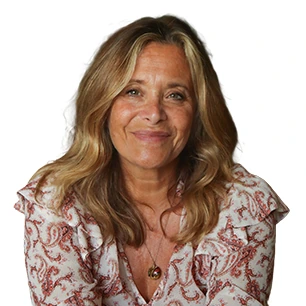
Sue is a Masters-qualified counsellor. Compassionate and authentic, Sue supports individuals to better understand the interplay between their internal world and their external relationships.
Individuals ✓After hours ✓

Dinah is a degree-qualified counsellor with almost 10 years experience. Empathetic and optimistic, Dinah works in partnership with her clients, empowering them to bring about positive change and feel happier in their lives.
Individuals ✓After hours ✓
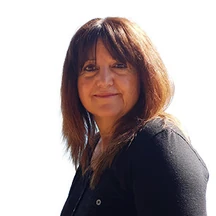
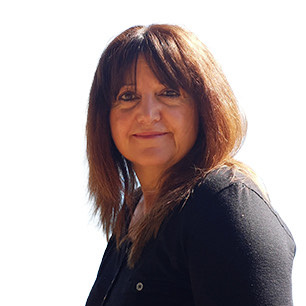
Revi holds a Master of Social Work (Counselling) and has over 20 years experience counselling both individuals and couples. Compassionate and client-centred, Revi is passionate about helping her clients navigate life’s challenges.
Individuals ✓Couples ✓After hours ✓Hebrew ✓
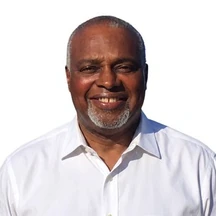
Howard is a Registered Psychologist with over 25 years experience working with individuals, couples and families. He uses a practical but supportive approach, aiming to assist his clients to achieve their goals as quickly as possible.
Individuals ✓Couples ✓Weekends ✓

Wade is a tertiary-qualified Registered Counsellor with almost a decade of experience across hospital, community and private-practice settings. Warm and grounded, Wade works with individuals, creating a trusting space to allow for deep reflection.
Individuals ✓After hours ✓

Graciela is a Masters-qualified counsellor with over 15 years experience working with individuals and couples. With a gentle approach, Graciela helps her clients develop awareness and gain control of their lives and relationships.
Individuals ✓Couples ✓Weekends ✓Spanish ✓
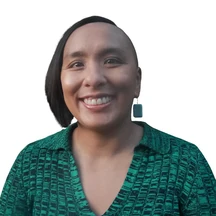
Jenna is an Accredited Mental Health Social Worker with over 15 years' experience across government health services and private practice. Warm and trauma-informed, Jenna works with individuals and couples to build safety, understanding and stronger connection, and build more secure connections with themselves and others.
Individuals ✓Couples ✓After hours ✓

Christine is a tertiary-qualified counsellor with over 20 years experience working with individuals and couples. She emphasises a collaborative approach to therapy, working with the client as an active partner in their treatment.
Individuals ✓Couples ✓Weekends ✓

Neri is a Masters-qualified counsellor and psychotherapist with over 10 years experience working with both individuals and couples. Compassionate and insightful, Neri empowers her clients to transform their lives and relationships.
Individuals ✓Couples ✓After hours ✓Vietnamese ✓

Mike has a Doctorate in Clinical Psychology and over 20 years experience working with individuals and couples. His success as a counsellor is consistently demonstrated by the deep clinical relationship he has with clients.
Individuals ✓Couples ✓After hours ✓

David is a Masters-qualified Clinical Psychologist. Warm, authentic and non-judgemental, David supports his clients by carefully attuning to their needs, and imparting practical skills to build emotional insight and wellbeing.
Individuals ✓After hours ✓

Claire is a Masters-qualified Registered Counsellor and Psychotherapist working with individuals and couples on relationships, attachment and emotional wellbeing. Warm and collaborative, she creates a supportive space for clients to work through what feels difficult, at their own pace.
Individuals ✓Couples ✓Weekends ✓

Jonathan is a tertiary-qualified counsellor with over 10 years experience working with adults and adolescents. Authentic and compassionate, Jonathan provides practical support, equipping clients with the skills and capacity to be their best.
Individuals ✓Weekends ✓

Naomi is a Registered Psychologist with over 20 years experience. Warm, empathetic and client-centred, Naomi works with individuals and couples to draw on their strengths to overcome difficulties. She is Gottman certified.
Individuals ✓Couples ✓
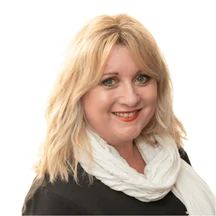
Megan is a Registered Counsellor with extensive experience supporting individuals and couples. Warm and empathetic, Megan uses an evidence-based, person-centred approach to help clients gain insight and create meaningful change. She is also an Accredited Mediator.
Individuals ✓Couples ✓After hours ✓
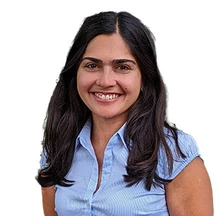
Petra is a highly skilled, tertiary-qualified counsellor with almost 10 years experience supporting clients' mental health. Insightful and altruistic, Petra creates a safe space to support her clients to lead more fulfilling lives.
Individuals ✓After hours ✓
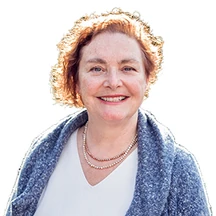
Andrea is a Registered Psychologist with over 20 years experience working with individuals and couples. Andrea helps her clients process and regulate their emotions, working with mind and body to sustain long-lasting change.
Individuals ✓Couples ✓Weekends ✓German ✓
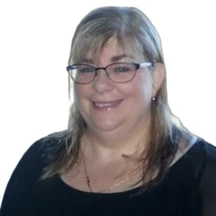
Di is a Masters-qualified counsellor with over 10 years private practice experience. Empathic and collaborative, she works alongside her clients to make sense of what they are facing and find a way forward.
Individuals ✓Couples ✓
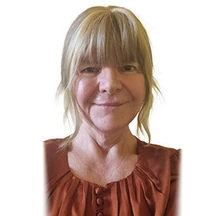
Rose is a Masters-qualified counsellor and Registered Mental Health Social Worker with over 20 years experience. Working with both individuals and couples, Rose empowers her clients to enhance their wellbeing and achieve their goals.
Individuals ✓Couples ✓

Gaul is an Accredited Mental Health Social Worker with over 17 years experience supporting individuals, couples and families, in hospital settings and private practice. Transparent, curious and collaborative, he works in partnership with his clients.
Individuals ✓Couples ✓

Laura is a Masters-qualified counsellor with extensive experience. Known for her warm and grounded presence, Laura helps individuals, couples and parents to uncover their own capacity for healing and meaningful change.
Individuals ✓Couples ✓Weekends ✓
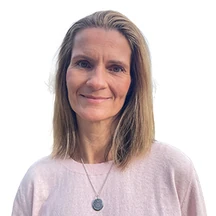
Silvia is a Registered Counsellor & Psychotherapist with qualifications in counselling, psychology and Somatic Experiencing®. Compassionate and supportive, Silvia works with individuals to manage life’s challenges.
Individuals ✓After hours ✓
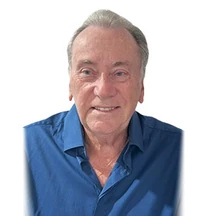
John is a tertiary-qualified counsellor and one of our most experienced therapists. John works with individuals and couples to build awareness of the patterns behind their decisions and lead more empowered and fulfilling lives. He is Gottman qualified.
Individuals ✓Couples ✓

Chris is a Masters-qualified Counsellor and Psychotherapist who works with individuals and couples. Open and empathetic, Chris draws on his clients’ curiosity, creativity and inherent strengths to make a meaningful and empowering difference in their lives.
Individuals ✓Couples ✓After hours ✓

Daniela is a Registered Psychologist with over 20 years’ experience. Warm, empathetic and deeply humanistic, she creates a space where clients feel genuinely heard, challenged and empowered to make meaningful change.
Individuals ✓Weekends ✓Portuguese ✓
Alexandra is a degree-qualified counsellor and relationship therapist with 15 years of experience across government and not-for-profit services. Accepting and down-to-earth, Alexandra works with individuals and couples, inviting clients to come as they are and work towards meaningful change.
Individuals ✓Couples ✓Weekends ✓Greek ✓
Pauline is a Registered Counsellor with almost 20 years of experience in both New Zealand and Australia. Warm and caring, Pauline works with individuals, couples and families, helping them build understanding and stronger connections.
Individuals ✓Couples ✓Weekends ✓
Daniel is a tertiary-qualified counsellor with over 10 years of experience, working with both individuals and couples. Easy to talk to and quick to build trust, Daniel recognises each person’s strengths and helps them gain greater agency in their lives.
Individuals ✓Couples ✓After hours ✓
Ali is a Masters-qualified counsellor with over 15 years of experience. Calm and compassionate, Ali works with individuals and couples, helping them feel safe, understood and better equipped to move forward.
Individuals ✓Couples ✓Weekends ✓Arabic ✓
Sharon is a Registered Psychologist with over 15 years experience. Curious and supportive, Sharon looks beneath the distress rather than settling on a label, helping clients understand themselves and make lasting change.
Individuals ✓After hours ✓
David is a Registered Psychologist with more than 20 years of experience working with leaders and the organisations they run. Thoughtful and attentive, David helps his clients reconnect with a sense of purpose and belonging.
Individuals ✓Weekends ✓
Theodora is a Registered Psychologist with over 10 years of experience, working with both individuals and couples. Warm and compassionate, Theodora helps her clients make sense of their experiences and build stronger, more secure relationships.
Individuals ✓Couples ✓Weekends ✓Greek ✓
Not sure who to choose?
Weekdays 9am to 6pm, a person answers
After hours, or any time
We have practices across Sydney, the coast and the Illawarra, and a full telehealth team. Our intake specialists know who works with what, and they will point you to the right person, whether that is near home, near work or online.
Step 1
Call us weekdays between 9am and 6pm and one of our intake team picks up. They will ask what is going on and talk you through the options before you commit to anything.
Step 2
The fit between you and your therapist is the strongest thing we know of for making therapy work. We match on what you are facing, the approach you prefer, gender, language and how far you can travel.
Step 3
We confirm your booking in writing so that you know when and where you’ll be meeting your new therapist.
Normal grief follows a period of days, weeks or months and every person has their own rate of processing the loss. For some people, grief may last for several days or weeks and they may be finished with the process, for others the grief can be experienced for a significantly longer period of time.
The duration of grief will also depend on the nature of the loss. Grief is different to depression. You can read more about depression here.
Mental health practitioners indicate that there are four broad stages for grief.
We can label the first stage of grief as the “Outcry.” This is when the initial impact of the loss is felt. People in this stage often react physically by crying, sobbing or tearing their clothes. This stage does not often last for a long period of time.
The second stage is referred to as a stage of “Denial and Intrusion.” During this period, normal life goes on and the individual may forget their grief for short periods of time, then the impact of the loss will reappear and the feelings of grief may re-emerge, only to subside again.
The third stage of grief is often referred to as a period of “Working Through.” During this stage, the individual is working toward acceptance of the loss. Memories of who or what has been lost become less intense and the grief becomes a dull ache, rather than an intense stab of surprise and pain.
The fourth and final stage of grief is sometimes referred to as a stage of “Completion.” In this final stage of grief, the individual experiences full acceptance of the loss and moves on with life.
If the loss is due to the death of a loved one, then the individual is able to think about them and have memories of them without falling apart or feeling intense pain and loss. (This article is electronically protected, Copyright © Associated Counsellors & Psychologists Sydney PTY LTD)
Most of us do not follow a linear process as we go through these stages of grief, instead we go back and forth between “denial and intrusion” and working our way through the loss, until we are ready to reach “completion.” However, for some people, the process becomes stuck and the intense feelings of grief do not recede over time. Psychologists refer to this as Complex Grief or Pathological Grief.
Abnormal grief, also known as complex grief or pathological loss, is when the feelings of grief and loss begin to interfere with our ability to return to regular life after a reasonable period of mourning. Although everyone experiences grief in their own fashion, continued feelings of depression, the inability to sleep and eat, and denial of feelings of grief will interfere with a person’s capacity to live life.
For individuals who experience this form of grief, counselling with a professional counsellor, therapist or psychologist can be helpful. In extreme forms, complex grief, or pathological loss, can include psychosis, including hallucinations (e.g. in the situation where loss is experienced through death, that the deceased person is talking to you or delusions that you are dying of the same thing).
People experiencing complex grief often suffer from feelings of guilt about possible actions that they could have taken to change the situation and prevent loss. Complex grief can also be accompanied by suicidal thoughts, a preoccupation with feelings of worthlessness and prolonged functional impairment.
One distinguishing aspect of complex grief, and one which might help you to recognise the symptoms, is the reactions of those around a grieving individual. Normal grief elicits sympathy, support and consolation from those around you.
In contrast, a person who is experiencing abnormal grief will often start to notice that the response from their family and friends has turned from sympathy to annoyance and irritation. (This article is electronically protected, Copyright © Associated Counsellors & Psychologists Sydney PTY LTD)
Prolonged grief is very disruptive to a person’s life and in many ways resembles major depression. The individual may have difficulty sleeping or may be sleeping a great deal; they may avoid situations in which they need to expend a great deal of energy and they may feel lethargic or fatigued much of the time. They may also have difficulty eating.
Working with a professional counsellor, therapist or psychologist can help a person who is coping with abnormal or prolonged bereavement. A counsellor will help you understand why you are feeling so badly about the loss of your loved one or the situation at hand.
In many instances, a counsellor, psychologist or therapist will help you work your way through the stages of grief, listening to your memories of your loved one and encouraging you to find a balance for continuing everyday normal activities.
In some instances, a professional counsellor or psychologist may recommend that you visit a psychiatrist for medication. In some circumstances, antidepressants will be prescribed for grief-induced depression where Complex Grief is present.
Whilst medication alone is rarely effective in treating grief or depression, it can help with cognitive impairment and improves the ability to think clearly. Once this is established, it can become easier to integrate the concepts and ideas that counselling provides. (This article is electronically protected, Copyright © Associated Counsellors & Psychologists Sydney PTY LTD)
If you or someone you care about is experiencing abnormal or prolonged grief after a major loss, you or they may benefit from talking with a professional, qualified counsellor, therapist or psychologist. If you would like more information or would like to schedule an appointment, please contact Associated Counsellors & Psychologists Sydney.
If you would like further information you may also like to read a story of someone who overcame their loss with grief counselling.
No referral is needed to start. For Medicare rebates, ask your GP about a Mental Health Treatment Plan. Please speak to our team about your options.
Most new clients are seen within days, sooner by telehealth. Many of our practices offer early morning, evening and weekend appointments, and our intake team will find the times that suit you.
Yes, you can choose either. You can see a clinician at one of our practices across Sydney, the coast and the Illawarra, or by video from anywhere in Australia, and many clients switch between the two.
Your clinician listens to what’s brought you in, asks about your goals, and agrees to a plan with you. There is never any pressure to share more than you’re ready to.
Sessions run for 55 minutes, and the fee depends on who you see. Counsellors start from $150, social workers and psychologists from $200, and clinical psychologists from $230. With a GP Mental Health Treatment Plan, a Medicare rebate may apply to sessions with a psychologist or a registered mental health social worker, so please speak to our staff about your options.
These are the things people come to us for.

Worry you cannot switch off, or panic that arrives out of nowhere.

Flat and exhausted, with no interest in things you used to enjoy.

Arguments that go round in circles, or drifting apart and not knowing how to talk about it.

We’ll help you spot triggers, slow the surge, and choose what happens next.

Drinking, drugs, gambling or porn that has got out of hand.

Days that feel chaotic, with everyday tasks harder than they should be.

Things that happened years ago that still affect how you feel now.

Compulsive sex or pornography use, and the issues that trigger it.

Food, weight and eating taking up more of the day than they should.

The full list of things our clinicians work with, across every practice and online.
Every clinician is fully registered and insured, and bound by their professional association's Code of Ethics, as our counsellor guarantee sets out.
Not sure which suits you? Speak to our team about your options.
Book with Sydney’s most trusted network
With a wealth of experience and a board of certified professionals, you know you’re in safe hands.
★★★★★The booking process was seamless. The staff are very friendly and helpful. Would recommend!
★★★★★The process of booking a psychologist was very straight forward and easy. Thank you
★★★★★Booking procedure was professional, respectful, attentive and informative. Nothing negative to say at all.
Reviews are shown as written, about our booking and matching service.
Grief is our emotional response to a loss, trauma or death.
View page →Like all addictions, sex addiction can be defined as a compulsive pursuit of something which eventually does harm to the addict and their relationships with family and friends.
View page →Are you worried about the amount of time you are spending surfing porn online?
View page →Like most addictions, gambling addiction is a state where a person continues a certain behaviour to a harmful extent without being able to stop themselves from continuing.
View page →
Pre-Marriage Counselling gives you and your fiance a formal environment in which to discuss your expectations of married life.
View page →Choose a region to see its practices, their addresses and who works there.
Registered Psychotherapist
Neera is a registered counsellor, psychotherapist, accredited professional coach, facilitator and educator with over 25 years of experience in the wellbeing space. As an experienced personal and professional development practitioner, she has more recently integrated her knowledge and formal qualifications in mindfulness, wellbeing and executive coaching into her role as a professional counsellor. Neera holds a Masters of Counselling & Psychotherapy and a Graduate Diploma in Counselling from Australian College of Applied Professions and a Graduate Certificate in Organisational Coaching & Leadership from Charles Sturt University.
Neera’s experience includes working in private psychiatric hospital settings, corporate settings, and now private practice. Her approach is also informed by a long term meditation practice and Jungian Analysis experience. As such, her approach to her work as a counsellor is trauma sensitive and attachment based, employing mindfulness, dream work and somatic (body based) awareness, where appropriate. Drawing on these skills, Neera is able to assist clients through a range of concerns, including life transition and change, grief and loss, attachment disorders, identity and personality issues, relationship issues and substance abuse, as well as anxiety, depression, stress and work-related concerns.
Neera has a warm, intuitive style and integrative counselling approach, drawing on decades of working with people. Neera works with clients by helping people make sense of their story and by grounding their sense of self in core values and purpose.
Counsellor
$150 to $220
fee range, per 55-minute session
Please ask for the exact fee when you call.
No referral is needed, so you can start straight away. This fee does not attract a Medicare rebate. See the full fee table
Counsellor & Relationship Therapist
Atia is a psychotherapist and counsellor. She has over 15 years of experience providing support to individuals, couples and families. She holds a Bachelor of Social Sciences (Counselling) from the Australian College of Applied Psychology and is a clinical member of the Psychotherapy and Counselling Federation of Australia (PACFA).
Prior to moving to private practice, Atia worked as a counsellor across multiple organisations, providing support to a diversity of individuals, including refugees and asylum seekers, carers of individuals living with complex mental illness and adult survivors of child abuse. Atia has expertise in providing effective treatment for issues such as anxiety, depression, PTSD, addictions, grief, sleep, low self-esteem and relationships. She also specialises in trauma, with extensive experience supporting survivors of psychological, sexual and physical abuse, assault and domestic violence. In her work with couples, Atia works with issues such as communication, separation and divorce, infertility and life transitions.
Atia is trained in a range of therapeutic approaches, including Existential Therapy, Dialectical Behaviour Therapy (DBT), Mindfulness, Narrative Therapy, and Art Therapy. She employs an eclectic holistic approach to treatment, adapting her skills and knowledge to best suit the treatment needs of her clients.
In her work with clients, Atia aims to encourage insight and self-awareness, and improve her clients’ self-esteem, creativity, self-care, empathy, critical thinking, and the ability to adjust to challenging circumstances. With an emphasis on being a compassionate, non-judgmental and present therapist, she hopes to provide her clients with control over their journey to address their issues in a safe and empowering manner.
Counsellor
$150 to $220
fee range, per 55-minute session
Please ask for the exact fee when you call.
No referral is needed, so you can start straight away. This fee does not attract a Medicare rebate. See the full fee table
Registered Psychologist
Paul is a Registered Psychologist and a SIRA-accredited practitioner. He holds both a Graduate and Post-Graduate Diploma in Psychology from the University of New England and Charles Sturt University respectively, as well as a Diploma of Psychological Practice and a Masters of Business Administration from Macquarie University.
Prior to moving into the mental health industry, Paul worked within the corporate space for over two decades, managing teams in both the financial and communications sectors. From his time at various banking and media companies, Paul coordinated and collaborated with individuals from diverse backgrounds, helping shape his personalised approach to therapy today. Using such experiences with complex workplace dynamics, Paul has also tailored psychological interventions and assessments for workers compensation clients in their journey to recovery.
In private practice, Paul is passionate about supporting individuals through difficult life transitions and mental health challenges. Utilising a range of modalities, Paul primarily focuses on the Person-Centred approach in therapy, also drawing on elements of Cognitive Behavioural Therapy (CBT) and trauma-informed training. Within his sessions, Paul assists his clients in anxiety, depression, stress, perfectionism, workplace issues, relationships, as well as more complex presentations such as trauma and Post-Traumatic Stress Disorder (PTSD). For those clients presenting with trauma-related concerns, Paul is also trained to provide EMDR Therapy (Eye Movement Desensitisation and Reprocessing).
Paul is an empathetic and personable psychologist, dedicated to making meaningful changes to the lives of his clients. Through helping individuals better understand themselves and how they operate within their environment, Paul enables his patients toward positive change and personal growth.
Psychologist
$200 to $265
fee range, per 55-minute session
Please ask for the exact fee when you call.
You may be eligible for a Medicare rebate. Your GP can assess you and write a Mental Health Treatment Plan. Tell us if you already have one when you book, and ask for a psychologist or a registered mental health social worker, because the rebate only covers those. See the full fee table
Registered Counsellor
Sue is a Registered Counsellor and Psychotherapist and a member of PACFA (Psychotherapy & Counselling Federation of Australia). She holds a Graduate Diploma in Counselling from ACAP University College in which she was National DUX, and a Masters of Counselling and Psychotherapy.
Prior to starting a private practice, Sue worked in hospital settings where she gained significant experience in a broad range of presentations including trauma, addiction, anxiety, depression, grief and loss, and relationship issues. In this role she facilitated group therapy sessions as well as one-on-one trauma-informed psychotherapy sessions, and also facilitated patient workshops and lectures. Sue has also worked with renowned experiential trauma programme facilitators across the United States, United Kingdom and Australia.
When working with clients, Sue takes an integrative, trauma-informed and person-centered approach. She also uses a psychodynamic relational model and employs the dynamic interplay between internal world and relational experiences. At times, Sue will also engage creative techniques, narrative therapy and Gestalt therapies to facilitate new ways of processing and expressing feelings.
Prior to her work as a counsellor, Sue worked for 25 years running creative businesses in both design and recruitment where she honed her ability to tailor innovative solutions to individual needs, and build trust-based relationships - skills she now brings to her therapeutic practice.
Sue is compassionate and an authentic counsellor, focussed on creating a supportive environment for her clients to promote personal growth and recovery. Sue is passionate about helping her clients reconnect with their sense of self and purpose.
Counsellor
$150 to $220
fee range, per 55-minute session
Please ask for the exact fee when you call.
No referral is needed, so you can start straight away. This fee does not attract a Medicare rebate. See the full fee table

Registered Counsellor
Dinah is a Registered Counsellor and member of the Australian Counselling Association. She holds both a Graduate Diploma in Psychological Sciences from the Australian College of Applied Professions and a Graduate Diploma of Counselling from the University of New England, as well as a Bachelor in Biomedical Science from the University of Technology Sydney.
Having worked in the medical and mental health space for a number of years, Dinah has supported individuals experiencing moderate to severe mental health concerns, providing acute care and support for those in crisis. Through her time in both private and non-government organisations, Dinah has used evidence-based therapies to empower patients on their mental health journey.
Within private practice, Dinah has a holistic, person-centred approach to her counselling, building personal strategies and developing positive thinking through empathy to strengthen her clients’ interpersonal skills. Using a range of therapeutic approaches, Dinah has a particular focus on Cognitive Behavioural Therapy (CBT), Acceptance and Commitment Therapy (ACT) and Mindfulness Strategies. During her sessions, Dinah assists her clients in a range of concerns, including depression, anxiety, stress, grief and loss, self-esteem and phobias, as well as more complex mental health such as addiction and eating disorders. Dinah has a special interest in supporting clients with issues surrounding sexuality and gender identity.
Working with couples, Dinah has a broad range of experience with both traditional and non-traditional relationships, focusing on issues including arguments and communication, intimacy and sex, infidelity and stagnation.
Dinah is an empathetic and optimistic practitioner, taking a client-focused approach during her sessions. Working in partnership with her patients, Dinah aims to empower and bring about positive change as her clients move forward with their lives.
Counsellor
$150 to $220
fee range, per 55-minute session
Please ask for the exact fee when you call.
No referral is needed, so you can start straight away. This fee does not attract a Medicare rebate. See the full fee table
Counsellor & Relationship Therapist
Revi is a professional Psychotherapist and Counsellor and an Accredited Mental Health Social Worker, with over two decades of experience counselling both individuals and couples. Revi holds both a Bachelor of Arts in Social Work and a Masters of Social Work (Counselling).
Revi is experienced in working with a range of presentations including anxiety, stress, trauma, depression, relationship dynamics, conflict resolution and family support. She is an experienced relationship therapist. She also has experience in veteran and family counselling, addressing substance misuse and transition challenges. Additionally, Revi has worked with corporate clients providing workplace mental health support and has experience with critical incident responses and as an EAP provider.
As a counsellor, Revi is compassionate, holistic and client-centred. She utilises various evidence-based approaches including, Cognitive Behavioural Therapy, Acceptance and Commitment Therapy, Mindfulness, Trauma-Informed care, the Gottman Method of relationship therapy, and Imago.
Revi tailors her services to meet each of her client’s unique needs and works collaboratively to create a supportive and empowering environment during her sessions. Revi is passionate about helping her clients navigate life’s challenges, foster resilience and achieve personal growth.
Counsellor
$150 to $220
fee range, per 55-minute session
Please ask for the exact fee when you call.
No referral is needed, so you can start straight away. This fee does not attract a Medicare rebate. See the full fee table
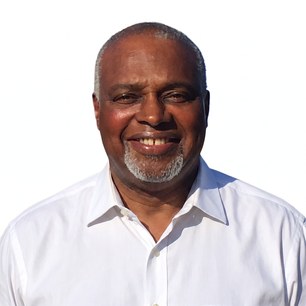
Registered Psychologist
Howard is a Registered Psychologist with over 25 years experience in the provision of individual, couples and family therapy. He holds a Masters in Psychology from Sydney University and a Masters in Organisational Psychology from the University of New South Wales. He has also studied workplace counselling at the Australian Catholic University and undertaken training in couples and family therapy with Relationships Australia.
Howard has worked extensively in the public health, corporate and military sectors, as well as in the private sector. He has experience in a variety of modalities, including Cognitive Behavioural Therapy, Psychodrama, Psychoanalysis, Family Systems Therapy, Acceptance and Commitment Therapy and Organisational Change, and works eclectically across all these therapeutic forms to suit the individual needs of his clients.
He has worked successfully with clients presenting with a wide range of challenges including anxiety, workplace stress, depression, drug & alcohol addiction, trauma, anger and relationship problems. He uses a practical but supportive approach, aiming to assist his clients to achieve their goals as quickly as possible.
Howard works with his clients to help them achieve a richer, fuller and more meaningful life.
Psychologist
$200 to $265
fee range, per 55-minute session
Please ask for the exact fee when you call.
You may be eligible for a Medicare rebate. Your GP can assess you and write a Mental Health Treatment Plan. Tell us if you already have one when you book, and ask for a psychologist or a registered mental health social worker, because the rebate only covers those. See the full fee table

Counsellor & Psychotherapist
Wade is a Counsellor and Psychotherapist, registered with PACFA. He holds a Bachelor of Counselling from the Australian College of Applied Psychology and a Graduate Diploma of Mental Health and Neuroscience from the University of the Sunshine Coast, with extensive advanced training in Internal Family Systems (IFS) therapy.
Wade’s career began in hospital and community mental health settings, including several years leading a therapeutic program and multidisciplinary team. This gave him broad experience supporting people through a wide range of life challenges before he moved into private practice.
Since moving into private practice, Wade works with individuals, supporting them with a range of concerns including anxiety, stress and burnout, low mood, grief, relationship and attachment difficulties, and past trauma. He has a particular interest in trauma, attachment, men’s health and addiction-related concerns.
Wade’s approach draws primarily on Internal Family Systems, integrating trauma-informed, attachment-based, psychodynamic, EMDR, and polyvagal-informed techniques. He works deeply and relationally with his clients, taking the time to understand what’s beneath the surface and build a genuine sense of trust and connection. He believes lasting change comes through the relationship itself, not just the techniques used within it.
Wade describes his style as clear, honest and human, creating a space paced to each client where they can explore what’s present for them without judgement or pressure.
Counsellor
$150 to $220
fee range, per 55-minute session
Please ask for the exact fee when you call.
No referral is needed, so you can start straight away. This fee does not attract a Medicare rebate. See the full fee table

Counsellor & Relationship Therapist
Graciela is a Registered Counsellor and couples therapist, with over 15 years experience in the mental health space. She holds both a Bachelor of Social Work from the University of Western Sydney, an Advanced Diploma in Individual and Family Counselling, and a Masters in Counselling from Monash University.
Beginning her career in the government sector, Graciela assessed, supervised and treated vulnerable members of the population, developing programs and interventions for at-risk youth and victims of domestic violence. From her time at the Department of Juvenile Justice, Graciela provided individualised counselling to clients from diverse backgrounds, developing her personalised approach to therapy today.
In private practice, Graciela’s approach to therapy is founded in pragmatism, focusing on empowering her clients to achieve their goals, develop resilience and strengthen their emotional and mental health to overcome life’s challenges. Utilising an eclectic mix of modalities, Graciela prioritises approaches such as Cognitive Behavioural Therapy (CBT), Psychodynamic Psychotherapy, Trauma Informed Therapy, Systemic Family Therapy, Acceptance and Commitment Therapy (ACT) and Emotionally Focused Therapy (EFT). Within her sessions, Graciela can assist clients in a range of concerns, including depression, anxiety, self-esteem, relationship issues, career/transition issues, as well as more complex mental health such as trauma, suicidal ideation and victims of domestic violence.
As a couples and family therapist, Graciela is passionate about seeing relationships develop, often aiding her clients in communication, stagnation, intimacy concerns, arguments and identifying key concerns inhibiting connection.
Graciela is a warm and empathetic practitioner whose gentle and gracious approach encourages clients to feel at ease within her sessions. Through developing her patients’ awareness and understanding of their own circumstances, Graciela enables individuals to explore their presenting concerns and gain control over their life and relationships for the better.
Counsellor
$150 to $220
fee range, per 55-minute session
Please ask for the exact fee when you call.
No referral is needed, so you can start straight away. This fee does not attract a Medicare rebate. See the full fee table