
Petra is a highly skilled, tertiary-qualified counsellor with almost 10 years experience supporting clients' mental health. Insightful and altruistic, Petra creates a safe space to support her clients to lead more fulfilling lives.


Overview
Bulimia is an eating disorder that can strike at any age. Common symptoms include eating unusually large amounts of food, purging of food, distorted body image and repetition of the binge/purge cycle.
• Why Does Bulimia Happen?, Bulimia is an eating disorder that is often fund in people who have had difficulty in developing coping skills for uncomfortable and distressing emotions.
• What is the Effect of Bulimia on the Body?, Bulimia results in dramatic physical effects, including dental problems, esophageal tearing, bowel problems and electrolyte and heart arrhythmia.
• How Can Counselling Help with Bulimia?, Working with a professional counsellor, psychologist, psychiatrist of therapist can help you develop healthier and more appropriate coping skills. A trained counsellor can also assist with understanding the underlying reasons for developing bulimia and improve self esteem, body image and realistic expectations for eating habits.
We see people for eating and body image concerns at our Ryde, Miranda and Surry Hills practices, and online.

Petra is a highly skilled, tertiary-qualified counsellor with almost 10 years experience supporting clients' mental health. Insightful and altruistic, Petra creates a safe space to support her clients to lead more fulfilling lives.
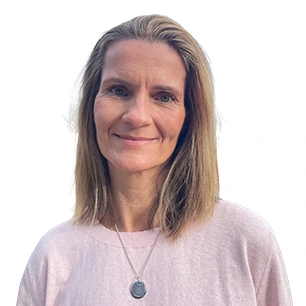
Silvia is a Registered Counsellor & Psychotherapist with qualifications in counselling, psychology and Somatic Experiencing®. Compassionate and supportive, Silvia works with individuals to manage life’s challenges.
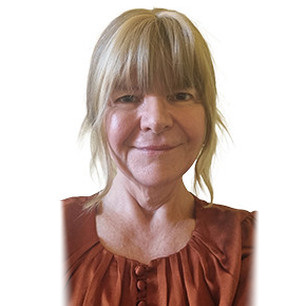
Rose is a Masters-qualified counsellor and Registered Mental Health Social Worker with over 20 years experience. Working with both individuals and couples, Rose empowers her clients to enhance their wellbeing and achieve their goals.

Neera is a Masters-qualified psychotherapist. Empathetic, thoughtful and intuitive, Neera works with individuals to strengthen their identity and reshape patterns.
Individuals ✓

Sue is a Masters-qualified counsellor. Compassionate and authentic, Sue supports individuals to better understand the interplay between their internal world and their external relationships.
Individuals ✓After hours ✓
Not sure who to choose?
Weekdays 9am to 6pm, a person answers
After hours, or any time
We have practices across Sydney, the coast and the Illawarra, and a full telehealth team. Our intake specialists know who works with what, and they will point you to the right person, whether that is near home, near work or online.
Step 1
Call us weekdays between 9am and 6pm and one of our intake team picks up. They will ask what is going on and talk you through the options before you commit to anything.
Step 2
The fit between you and your therapist is the strongest thing we know of for making therapy work. We match on what you are facing, the approach you prefer, gender, language and how far you can travel.
Step 3
We confirm your booking in writing so that you know when and where you’ll be meeting your new therapist.
Bulimia is an eating disorder that can strike at any age. While historically it has been more common among girls and women, in recent years boys and men have begun to seek treatment for the disorder.
What are the common symptoms of bulimia?
Bulimia is an eating disorder that is involves both binge eating and purging of the excess food. Symptoms include:
• Binge eating of unusually large amounts of food which includes either a defined period or a feeling of lack of control during the period of over eating.
• Inappropriate efforts to eliminate the food consumed during the binge eating episode, including induced vomiting, excessive exercise, use of laxatives, diuretics or fasting.
• An unjustified belief that body size and/or shape is excessively large.
• Very often, episodes of binge eating happen with a high amount of frequency, usually several times a week and recur over a period of several months.
Individuals with bulimia symptoms are often very skilled at hiding their behaviours regarding food and they can have symptoms for years before anyone recognizes there is a problem. (This article is electronically protected, Copyright © Associated Counsellors & Psychologists Sydney PTY LTD)
Why does bulimia happen?
Episodes of bulimia and the cycle of binge eating and purging are usually triggered by uncomfortable emotions. These feelings can include feelings of anger, loneliness, feeling rejected or inadequacy. In a way, bulimia binge eating is a way of internally “stuffing” uncomfortable and distressing feelings instead of dealing with the emotions externally.
When uncomfortable feelings arise, you may find yourself eating foods that provide feelings of comfort and satisfaction. Binge foods are usually soft foods that are easy to eat and are high in carbohydrates, because when carbs are metabolized in the body they create that feeling of satisfaction and satiety.
However, once that feeling of satisfaction begins to wear off, then you may feel guilty about having eating so many “bad” foods and become distressed at the need to rid yourself of the extra calories, fat and carbohydrates. In response, many people then begin to exercise vigorously and excessively or they take action to purge the food from their body by making themselves vomit, using laxatives or using other medications.
Alternatively, they may stop eating for a period of time, thinking that if they restrict their food intake they can make up for the excessive food they ate during the binge. (This article is electronically protected, Copyright © Associated Counsellors & Psychologists Sydney PTY LTD)
This entire process becomes a repeated cycle and can be extremely dangerous physically and emotionally.
The repeated cycle of binging and then purging can be very destructive to the body.
Repeated vomiting can result in tooth decay as tooth enamel is destroyed and stripped. Stomach acid is very strong and coats the teeth every time food is vomited during a purging cycle.
Esophageal tears can occur with repeated vomiting as the esophagus spasms. The esophagus is the tube between the mouth and the stomach and with each episode of vomiting it is stressed.
Repeated and chronic use of laxatives can result in permanent bowel problems. The natural function of the bowel is to process food and digest it as it passes through the stomach, small and large intestine.
Laxatives speed up this process and does not allow for fluids to be used naturally to help in the digestive process.
Chronic use of laxatives to purge the body of binge foods stops this natural bodily function to the point where it can rarely be naturally restored.
Electrolyte imbalances can result from chronic purging. Electrolytes include potassium, sodium and chloride and regulate heart rhythm, muscle function and energy levels. Heart arrhythmia is not uncommon among individuals with bulimia and death is a very real possibility. (This article is electronically protected, Copyright © Associated Counsellors & Psychologists Sydney PTY LTD)
Karen’s story
Karen grew up in a family with a mother who was very aware of body image and wearing the latest fashions. In many ways, Karen never felt like she quite measured up to the expectations that her mother had for a daughter, from the fact that she felt like a total klutz all the time to never being able to ace academic tests in school.
When she was 16, Karen began to eat massive amounts of food any time she felt like a failure. If her mother criticized her clothes, she went hid in her bedroom and stuffed herself with her secret stash of cupcakes and her favorite candy bars. Then in the evening, she would do as many sit-ups as she could until she collapsed into bed and fell asleep.
When she went away to college, Karen’s feelings of inadequacy followed her and so did her binging and purging habit. If she did not get the grade she expected on an exam, she stopped at the store and bought a tub of her favorite ice cream and ate the entire thing in one sitting.
She would then make herself vomit until she felt it was all out of her stomach. Just to make sure, she would take a few laxative pills to force her body to push everything out.
After college, Karen was in for a dental exam when her dentist frowned at her and asked if she had ever made herself vomit on a regular basis. When Karen admitted that she had and sometimes still did, the dentist recommended that she go to see a counsellor or psychologist because she could have an eating disorder that could result in serious health problems, including the possibility of death.
Scared and afraid, Karen called the number of the counsellor the dentist recommended and was surprised and relieved to find that the therapist was not only understanding, but also compassionate. Slowly she began to understand why she felt out of control of her eating habits and why she felt so guilty after and episode. (This article is electronically protected, Copyright © Associated Counsellors & Psychologists Sydney PTY LTD)
Many people struggle with eating problems, and eating disorders can strike at any age, from pre-teen years to older adults. Very often, we are able to hide unhealthy eating habits that can cause serious health and emotional problems for years before someone who cares about us begins to understand what we are doing.
If you or someone you know is struggling with an eating disorder like bulimia, binge eating or anorexia, talking to a counsellor, psychologist, psychiatrist or therapist may be the first step in learning to deal with food in a healthier manner.
A professional therapist who is trained in treating eating disorders can help you understand the underlying reasons for an unhealthy relationship with food, poor self esteem and body image issues. (This article is electronically protected, Copyright © Associated Counsellors & Psychologists Sydney PTY LTD)
If you are concerned with binging and purging, and unhealthy relationship with food or eating disorder issues and would like to book a consultation with a qualified counsellor or psychologist, or would like to obtain further advice please contact:
Associated Counsellors & Psychologists Sydney
No referral is needed to start. For Medicare rebates, ask your GP about a Mental Health Treatment Plan. Please speak to our team about your options.
Most new clients are seen within days, sooner by telehealth. Many of our practices offer early morning, evening and weekend appointments, and our intake team will find the times that suit you.
Yes, you can choose either. You can see a clinician at one of our practices across Sydney, the coast and the Illawarra, or by video from anywhere in Australia, and many clients switch between the two.
Your clinician listens to what’s brought you in, asks about your goals, and agrees to a plan with you. There is never any pressure to share more than you’re ready to.
Sessions run for 55 minutes, and the fee depends on who you see. Counsellors start from $150, social workers and psychologists from $200, and clinical psychologists from $230. With a GP Mental Health Treatment Plan, a Medicare rebate may apply to sessions with a psychologist or a registered mental health social worker, so please speak to our staff about your options.
These are the things people come to us for.

Worry you cannot switch off, or panic that arrives out of nowhere.

Flat and exhausted, with no interest in things you used to enjoy.

Arguments that go round in circles, or drifting apart and not knowing how to talk about it.

We’ll help you spot triggers, slow the surge, and choose what happens next.

Drinking, drugs, gambling or porn that has got out of hand.

Days that feel chaotic, with everyday tasks harder than they should be.

Things that happened years ago that still affect how you feel now.

Compulsive sex or pornography use, and the issues that trigger it.

After a death, a diagnosis, or the end of something that mattered.

The full list of things our clinicians work with, across every practice and online.
Every clinician is fully registered and insured, and bound by their professional association's Code of Ethics, as our counsellor guarantee sets out.
Not sure which suits you? Speak to our team about your options.
Book with Sydney’s most trusted network
With a wealth of experience and a board of certified professionals, you know you’re in safe hands.
★★★★★Prompt response and great experience locating a counsellor to arrange a consultation next week. Very impressed with this service
★★★★★Pleasant experience booking through them and made me comfortable from the first phone-call, suggesting different suitable locations also.
★★★★★Great customer service - immediate call back, friendly and helpful staff, lots of suitable and tailored options. Very happy
Reviews are shown as written, about our booking and matching service.
Choose a region to see its practices, their addresses and who works there.
Registered Counsellor
Petra is a Registered Counsellor and member of the Australian Counselling Association (ACA) with experience in various roles across the healthcare industry. She holds a Diploma from the Australian Institute of Professional Counsellors and a Graduate Diploma in Relationship Counselling, as well as advanced accreditations in grief & loss, addiction, abuse and eating disorders.
Petra has worked extensively with a diverse range of individuals across multiple organisations in both the aged care, clinical and charity sectors. Through her time at the Butterfly Foundation, Petra empowered her clients through evidence-based therapy to help them overcome negative eating patterns. Petra also has specific experience treating complex mental health in elderly clients, supporting them through issues such as trauma, grief and cognitive decline. Prior to her commencing a career in counselling, Petra worked in various roles within the corporate space, collaborating and liaising with an assortment of professionals, helping shape the person-centred approach she utlises in therapy today.
In private practice, Petra’s focus is to meet and understand where individuals are at in their lives, and best support them using a variety of therapeutic modalities including Cognitive Behavioural Therapy (CBT), Solutions Focused Therapy, ACT, Strengths Based Therapy and Narrative Therapy. In her sessions, Petra assists her clients in a range of concerns, including anger management, depression, anxiety, relationship concerns, grief & loss, self-esteem issues, workplace stress, as well as more complex mental health including eating disorders and addiction.
Petra is an insightful and altruistic counsellor, who believes everyone is unique in their counselling needs and, as such, aims to personalise each session to the individual. Creating safe, supportive and confidential spaces for people to engage, Petra uses empathy and understanding to support her clients in their mental health journey and onto more fulfilling lives.
Counsellor
$150 to $220
fee range, per 55-minute session
Please ask for the exact fee when you call.
No referral is needed, so you can start straight away. This fee does not attract a Medicare rebate. See the full fee table
Registered Counsellor
Silvia is a Registered Counsellor and Psychotherapist with the Psychotherapy and Counselling Federation of Australia. She holds a Graduate Diploma in Counselling from the Australian College of Applied Psychology (Sydney), a Bachelor of Psychology and Sociology from Greenwich University (London) and is currently working towards full certification as a Somatic Experiencing® practitioner with Somatic Experiencing® International.
Silvia’s journey of connecting with her authentic self, self-discovery and curating conscious relationships inspired her to help others navigate their own challenges. She has since obtained experience in various mental health settings including for Not-for-Profit organisations, in-patient services at South Pacific Private Hospital, as a grief counsellor, and as a school counsellor.
Silvia brings a wealth of knowledge, insight and life experience to her work in private practice. She is experienced working with a wide range of concerns including depression, anxiety, stress, addiction, trauma, bereavement, self-esteem, anger management, life transitions, addictions, eating disorders and relationship issues. Silvia also has expertise in group facilitation and regularly facilitates programs on wide-ranging topics such as emotional regulation, negative core beliefs, co-dependency and parenting. Silvia’s work has been featured in Australian magazines including Marie Claire, Women’s Weekly and Body + Soul.
As an Integrative and Trauma-Informed therapist, in her work, Silvia draws on various approaches, including Gestalt Therapy, Psychodynamic Therapy, Somatic Experiencing® techniques, and Family Systems Therapy. She also draws on Attachment Theory, Polyvagal Theory, Inner Child Work, and Mindfulness-based techniques.
Silvia is a warm, supportive and compassionate counsellor, who tailors her approach to meet the unique needs and circumstances of each client. She is passionate about fostering a sense of self, healing relational wounds and conflicts, and resolving unfinished business from the past through a safe and caring therapeutic relationship.
Silvia can help to guide you to foster resilience, cultivate inner balance and develop new ways of responding to life’s situations.
Counsellor
$150 to $220
fee range, per 55-minute session
Please ask for the exact fee when you call.
No referral is needed, so you can start straight away. This fee does not attract a Medicare rebate. See the full fee table
Counsellor & Couple Therapist
Rose is a Registered Mental Health Social Worker with over 20 years of experience providing counselling and psychotherapy to individuals and couples. She holds a Clinical Master of Counselling and a Graduate Diploma in Adult Psychotherapy.
Rose has worked in a number of different counselling settings, including private practice, community health setting, private psychiatric hospitals and university counselling services. Working within these settings has allowed Rose to gain experience across a broad range of presentations including anxiety, depression (including post-natal depression), grief and loss, phobias, divorce and separation, relationship issues, past and recent trauma, bullying and harassment, and study difficulties.
Rose has particularly extensive experience assisting clients with trauma. She has worked with veterans experiencing severe Post-Traumatic Stress Disorder (PTSD), women who have experienced domestic violence, and survivors of child physical, sexual or emotional abuse.
Rose takes a primarily psychodynamic approach to therapy, and has completed specialised Trauma Therapy training using Cognitive Behavioural Therapy (CBT) and Eye Movement Desensitisation and Reprocessing (EMDR). She believes that our emotions and behaviour are affected by our social environment, and aims to work towards the liberation and empowerment of her clients to enhance their wellbeing.
Rose endeavours to develop a close working alliance with her clients, helping them toward achieving their short term or longer term goals.
Counsellor
$150 to $220
fee range, per 55-minute session
Please ask for the exact fee when you call.
No referral is needed, so you can start straight away. This fee does not attract a Medicare rebate. See the full fee table

Registered Psychotherapist
Neera is a registered counsellor, psychotherapist, accredited professional coach, facilitator and educator with over 25 years of experience in the wellbeing space. As an experienced personal and professional development practitioner, she has more recently integrated her knowledge and formal qualifications in mindfulness, wellbeing and executive coaching into her role as a professional counsellor. Neera holds a Masters of Counselling & Psychotherapy and a Graduate Diploma in Counselling from Australian College of Applied Professions and a Graduate Certificate in Organisational Coaching & Leadership from Charles Sturt University.
Neera’s experience includes working in private psychiatric hospital settings, corporate settings, and now private practice. Her approach is also informed by a long term meditation practice and Jungian Analysis experience. As such, her approach to her work as a counsellor is trauma sensitive and attachment based, employing mindfulness, dream work and somatic (body based) awareness, where appropriate. Drawing on these skills, Neera is able to assist clients through a range of concerns, including life transition and change, grief and loss, attachment disorders, identity and personality issues, relationship issues and substance abuse, as well as anxiety, depression, stress and work-related concerns.
Neera has a warm, intuitive style and integrative counselling approach, drawing on decades of working with people. Neera works with clients by helping people make sense of their story and by grounding their sense of self in core values and purpose.
Counsellor
$150 to $220
fee range, per 55-minute session
Please ask for the exact fee when you call.
No referral is needed, so you can start straight away. This fee does not attract a Medicare rebate. See the full fee table

Registered Counsellor
Sue is a Registered Counsellor and Psychotherapist and a member of PACFA (Psychotherapy & Counselling Federation of Australia). She holds a Graduate Diploma in Counselling from ACAP University College in which she was National DUX, and a Masters of Counselling and Psychotherapy.
Prior to starting a private practice, Sue worked in hospital settings where she gained significant experience in a broad range of presentations including trauma, addiction, anxiety, depression, grief and loss, and relationship issues. In this role she facilitated group therapy sessions as well as one-on-one trauma-informed psychotherapy sessions, and also facilitated patient workshops and lectures. Sue has also worked with renowned experiential trauma programme facilitators across the United States, United Kingdom and Australia.
When working with clients, Sue takes an integrative, trauma-informed and person-centered approach. She also uses a psychodynamic relational model and employs the dynamic interplay between internal world and relational experiences. At times, Sue will also engage creative techniques, narrative therapy and Gestalt therapies to facilitate new ways of processing and expressing feelings.
Prior to her work as a counsellor, Sue worked for 25 years running creative businesses in both design and recruitment where she honed her ability to tailor innovative solutions to individual needs, and build trust-based relationships - skills she now brings to her therapeutic practice.
Sue is compassionate and an authentic counsellor, focussed on creating a supportive environment for her clients to promote personal growth and recovery. Sue is passionate about helping her clients reconnect with their sense of self and purpose.
Counsellor
$150 to $220
fee range, per 55-minute session
Please ask for the exact fee when you call.
No referral is needed, so you can start straight away. This fee does not attract a Medicare rebate. See the full fee table


