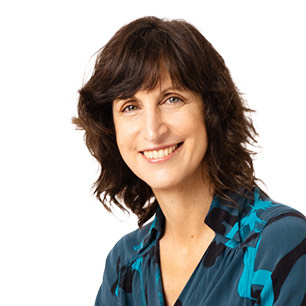
Neera is a Masters-qualified psychotherapist. Empathetic, thoughtful and intuitive, Neera works with individuals to strengthen their identity and reshape patterns.


Counselling, in person or online.
Info & Treatment
Bipolar disorder is separated into two distinct diagnoses, Type 1 and Type 2. Of the two types, Type 2 is a characterised by less intense episodes of hypomania.
• What is the Difference Between Type 1 and Type 2 Bipolar Disorder?, For individuals with Type 2 Bipolar disorder, manic episodes of Bipolar disorder are less disruptive to the individual with the illness.
• How is Type 2 Bipolar Disorder Treated?, Type 2 Bipolar disorder is treated with a combination of medication and counselling. Counselling provides supportive encouragement to understand the nature of the illness and medication provides mood stabilization to reduce mood swings.
We see people at our Surry Hills, Bondi Junction, Miranda, Campbelltown and Dee Why practices, and online.

Neera is a Masters-qualified psychotherapist. Empathetic, thoughtful and intuitive, Neera works with individuals to strengthen their identity and reshape patterns.

Claire is a Masters-qualified Registered Counsellor and Psychotherapist working with individuals and couples on relationships, attachment and emotional wellbeing. Warm and collaborative, she creates a supportive space for clients to work through what feels difficult, at their own pace.
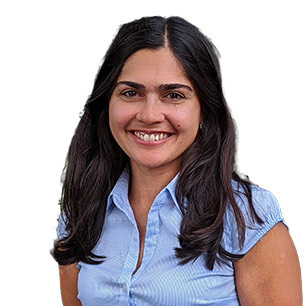
Petra is a highly skilled, tertiary-qualified counsellor with almost 10 years experience supporting clients' mental health. Insightful and altruistic, Petra creates a safe space to support her clients to lead more fulfilling lives.
Not sure who to choose?
Weekdays 9am to 6pm, a person answers
After hours, or any time
We have practices across Sydney, the coast and the Illawarra, and a full telehealth team. Our intake specialists know who works with what, and they will point you to the right person, whether that is near home, near work or online.
Step 1
Call us weekdays between 9am and 6pm and one of our intake team picks up. They will ask what is going on and talk you through the options before you commit to anything.
Step 2
The fit between you and your therapist is the strongest thing we know of for making therapy work. We match on what you are facing, the approach you prefer, gender, language and how far you can travel.
Step 3
We confirm your booking in writing so that you know when and where you’ll be meeting your new therapist.
A diagnosis of Type 2 Bipolar disorder can be initially frightening for you and your family. However, of the two types of bipolar disorder, Type 2 is the less intense and more easily treatable illness.
The primary difference between the two types of bipolar disorder is the intensity of the manic episode that sets bipolar disorder apart from depression.
Mania is an experience in which an individual begins to experience an hyper-elevated sense of distorted reality. Common symptoms include:
• Extremely talkative speech patterns outside normal behaviour
• The feeling of racing thoughts that jump from one idea to the next without rhyme or reason
• Easily distracted
• An increase in intense goal-oriented work production, whether it is related to work or school
• Excessive sexuality, gambling or other activities that have negative consequences but are pleasurable in the moment
These symptoms are usually notable because they are outside the normal range of behaviours for the individual, but they are not intense enough to interfere with regular social or personal functioning.(This article is electronically protected, Copyright © Associated Counsellors & Psychologists Sydney PTY LTD)
While mania is the distinct feature of bipolar disorder the primary difference between Type 1 and Type 2 is that the mania of Type 1 creates significantly more disturbance in the individual’s life and they are not able to function or interact socially in a manner that allows them to function relatively normally.
In other words, a person with Type 1 Bipolar disorder becomes disabled by their mania. In contrast, an individual with Type 2 Bipolar disorder and in a hypomanic phase would experience the mania, but would be able to go to school or work and interact with others, but would appear to be unusually intense or active to others.
Type 2 Bipolar disorder is usually treated with a combination of counselling and medication. Since bipolar disorder is an illness that is the result of distinct differences is brain chemistry, primarily neurotransmitters, and effort is made to prescribe medications that even out the transmitters that control mood.
One of the problems with mood stabiliser medications, however, is that many individuals taking them do not like the way that the medications make them feel.
As a result, it can often be difficult for people to stay on the medications long term without support and encouragement from a counsellor and family.
Working with a counsellor, psychologist or therapist can help an individual with Type 2 Bipolar disorder understand that they have an illness that can be treated, just like any other illness.
The counsellor can assist with learning to recognize the symptoms of a manic episode and how to utilise stress management techniques that may reduce the symptoms of the episode or events that might trigger hypomanic symptoms. Counselling therapy can also help family members understand the nature of the illness and learn ways to accept and cope with the illness in a supportive and encouraging way.
If you or someone you know is struggling with Type 2 Bipolar disorder and would like to book a consultation with a qualified counsellor or psychologist, or would like to obtain further advice please contact:
Associated Counsellors & Psychologists Sydney
No referral is needed to start. For Medicare rebates, ask your GP about a Mental Health Treatment Plan. Please speak to our team about your options.
Most new clients are seen within days, sooner by telehealth. Many of our practices offer early morning, evening and weekend appointments, and our intake team will find the times that suit you.
Yes, you can choose either. You can see a clinician at one of our practices across Sydney, the coast and the Illawarra, or by video from anywhere in Australia, and many clients switch between the two.
Your clinician listens to what’s brought you in, asks about your goals, and agrees to a plan with you. There is never any pressure to share more than you’re ready to.
Sessions run for 55 minutes, and the fee depends on who you see. Counsellors start from $150, social workers and psychologists from $200, and clinical psychologists from $230. With a GP Mental Health Treatment Plan, a Medicare rebate may apply to sessions with a psychologist or a registered mental health social worker, so please speak to our staff about your options.
These are the things people come to us for.

Worry you cannot switch off, or panic that arrives out of nowhere.

Flat and exhausted, with no interest in things you used to enjoy.

Arguments that go round in circles, or drifting apart and not knowing how to talk about it.

We’ll help you spot triggers, slow the surge, and choose what happens next.

Drinking, drugs, gambling or porn that has got out of hand.

Days that feel chaotic, with everyday tasks harder than they should be.

Things that happened years ago that still affect how you feel now.

Compulsive sex or pornography use, and the issues that trigger it.

After a death, a diagnosis, or the end of something that mattered.

Food, weight and eating taking up more of the day than they should.

The full list of things our clinicians work with, across every practice and online.
Every clinician is fully registered and insured, and bound by their professional association's Code of Ethics, as our counsellor guarantee sets out.
Not sure which suits you? Speak to our team about your options.
Book with Sydney’s most trusted network
With a wealth of experience and a board of certified professionals, you know you’re in safe hands.
★★★★★Nice people. friendly service, happy with the counsellor I was provided. I’ll be recommending this service In the future for sure!
★★★★★My therapist retired I was very scared I wouldn’t pick the right new one. These guys are really understanding of your individual needs and made sure I was shown all the best options before I got to choose. My previous psychologist was a man, so I wanted another man and in the end, I was provided with a choice of 3, the first of whom I am chatting with online tomorrow.
★★★★★I’ve received therapy on and off since my childhood, and every time I move, I have to find another therapist. The time and energy it takes me are just too much, which is where Associated Counsellors Sydney was great. It’s such a quick and easy process and they found me a suitable therapist on the first try!
Reviews are shown as written, about our booking and matching service.
Choose a region to see its practices, their addresses and who works there.
Registered Psychotherapist
Neera is a registered counsellor, psychotherapist, accredited professional coach, facilitator and educator with over 25 years of experience in the wellbeing space. As an experienced personal and professional development practitioner, she has more recently integrated her knowledge and formal qualifications in mindfulness, wellbeing and executive coaching into her role as a professional counsellor. Neera holds a Masters of Counselling & Psychotherapy and a Graduate Diploma in Counselling from Australian College of Applied Professions and a Graduate Certificate in Organisational Coaching & Leadership from Charles Sturt University.
Neera’s experience includes working in private psychiatric hospital settings, corporate settings, and now private practice. Her approach is also informed by a long term meditation practice and Jungian Analysis experience. As such, her approach to her work as a counsellor is trauma sensitive and attachment based, employing mindfulness, dream work and somatic (body based) awareness, where appropriate. Drawing on these skills, Neera is able to assist clients through a range of concerns, including life transition and change, grief and loss, attachment disorders, identity and personality issues, relationship issues and substance abuse, as well as anxiety, depression, stress and work-related concerns.
Neera has a warm, intuitive style and integrative counselling approach, drawing on decades of working with people. Neera works with clients by helping people make sense of their story and by grounding their sense of self in core values and purpose.
Counsellor
$150 to $220
fee range, per 55-minute session
Please ask for the exact fee when you call.
No referral is needed, so you can start straight away. This fee does not attract a Medicare rebate. See the full fee table
Counsellor & Relationship Therapist
Claire is a Counsellor, Psychotherapist and Relationship Counsellor. She holds a Master of Counselling and Psychotherapy (ACAP) and a Bachelor of Liberal Arts and Science, majoring in Psychology, from the University of Sydney. She is a Professional Member of the Australian Counselling Association, a Certified Practising Registrant with the Psychotherapy and Counselling Federation of Australia, and a member of the International Centre for Excellence in Emotionally Focused Therapy.
Prior to training as a counsellor, Claire spent several years working in client-facing roles across the health technology and corporate sectors, including account management, client support and office administration, both in Australia and the UK. This experience gave her a solid grounding in listening closely to people and understanding what they need, something she draws on in her work with clients today.
As a counsellor in private practice, Claire works with both individuals and couples, supporting them with a range of concerns including anxiety, depression, grief, low self-worth, past trauma and interpersonal conflict. She has a particular interest in relationships, attachment and emotional connection.
Claire’s approach draws primarily on Emotionally Focused Therapy and EFIT, integrating psychodynamic, person-centred, trauma-informed and Gottman Method techniques. She describes her style as warm, collaborative and paced to the client, creating a space to explore what can be difficult to put into words, without judgement or pressure. Claire supports her clients toward greater self-understanding, emotional safety and healthier ways of relating over time.
Counsellor
$150 to $220
fee range, per 55-minute session
Please ask for the exact fee when you call.
No referral is needed, so you can start straight away. This fee does not attract a Medicare rebate. See the full fee table
Registered Counsellor
Petra is a Registered Counsellor and member of the Australian Counselling Association (ACA) with experience in various roles across the healthcare industry. She holds a Diploma from the Australian Institute of Professional Counsellors and a Graduate Diploma in Relationship Counselling, as well as advanced accreditations in grief & loss, addiction, abuse and eating disorders.
Petra has worked extensively with a diverse range of individuals across multiple organisations in both the aged care, clinical and charity sectors. Through her time at the Butterfly Foundation, Petra empowered her clients through evidence-based therapy to help them overcome negative eating patterns. Petra also has specific experience treating complex mental health in elderly clients, supporting them through issues such as trauma, grief and cognitive decline. Prior to her commencing a career in counselling, Petra worked in various roles within the corporate space, collaborating and liaising with an assortment of professionals, helping shape the person-centred approach she utlises in therapy today.
In private practice, Petra’s focus is to meet and understand where individuals are at in their lives, and best support them using a variety of therapeutic modalities including Cognitive Behavioural Therapy (CBT), Solutions Focused Therapy, ACT, Strengths Based Therapy and Narrative Therapy. In her sessions, Petra assists her clients in a range of concerns, including anger management, depression, anxiety, relationship concerns, grief & loss, self-esteem issues, workplace stress, as well as more complex mental health including eating disorders and addiction.
Petra is an insightful and altruistic counsellor, who believes everyone is unique in their counselling needs and, as such, aims to personalise each session to the individual. Creating safe, supportive and confidential spaces for people to engage, Petra uses empathy and understanding to support her clients in their mental health journey and onto more fulfilling lives.
Counsellor
$150 to $220
fee range, per 55-minute session
Please ask for the exact fee when you call.
No referral is needed, so you can start straight away. This fee does not attract a Medicare rebate. See the full fee table


