
Petra is a highly skilled, tertiary-qualified counsellor with almost 10 years experience supporting clients' mental health. Insightful and altruistic, Petra creates a safe space to support her clients to lead more fulfilling lives.


Counselling, in person or online.
• Insomnia is a symptom underlying other issues, most commonly emotional stresses such as anxiety, depression or grief, or physical stresses such as pain.
• Insomnia can be transient, generally lasting only a short time and clearly linked to a specific cause, or Chronic, lasting months if not years.
• Tips for better sleeping include avoiding food stimulants and learning relaxation techniques, but a professional counsellor, psychologist or medical practitioner can help you to identify the causes of your insomnia and sleep better.
Adults like to get about 8 hours sleep each night, so when that sleep is disturbed, or you have trouble getting off to sleep in the first place, then life can start to get your down. Insomnia (otherwise known as sleeplessness) is a sleeping condition where people either have trouble getting to sleep, or have trouble staying asleep.
It can be exhausting, frustrating and depressing, causing you to worry at night, and lack energy during the day. And not uncommonly, the frustration and worry caused by insomnia conditions people to worry more, and sleep even less.
Counsellors and psychologists generally agree that there are two broad types of insomnia or sleep disorders:
Transient Insomnia: The first is Transient Insomnia, which as its name suggests tends to last for only a short time, and tends to be specifically related or caused by a particular stressful event, for example, a difficult work project, an exam, a wedding or a death.
We see people for anxiety at our Dulwich Hill, Elizabeth Street, Surry Hills, Hornsby and Beecroft practices, and online.
Some of the signs of insomnia people describe.
Petra is a highly skilled, tertiary-qualified counsellor with almost 10 years experience supporting clients' mental health. Insightful and altruistic, Petra creates a safe space to support her clients to lead more fulfilling lives.
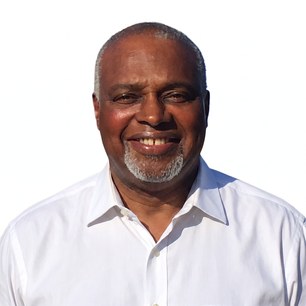
Howard is a Registered Psychologist with over 25 years experience working with individuals, couples and families. He uses a practical but supportive approach, aiming to assist his clients to achieve their goals as quickly as possible.

Megan is a Registered Counsellor with extensive experience supporting individuals and couples. Warm and empathetic, Megan uses an evidence-based, person-centred approach to help clients gain insight and create meaningful change. She is also an Accredited Mediator.

Claire is a Masters-qualified Registered Counsellor and Psychotherapist working with individuals and couples on relationships, attachment and emotional wellbeing. Warm and collaborative, she creates a supportive space for clients to work through what feels difficult, at their own pace.
Individuals ✓Couples ✓Weekends ✓

Naomi is a Registered Psychologist with over 20 years experience. Warm, empathetic and client-centred, Naomi works with individuals and couples to draw on their strengths to overcome difficulties. She is Gottman certified.
Individuals ✓Couples ✓

Christine is a tertiary-qualified counsellor with over 20 years experience working with individuals and couples. She emphasises a collaborative approach to therapy, working with the client as an active partner in their treatment.
Individuals ✓Couples ✓Weekends ✓

Neri is a Masters-qualified counsellor and psychotherapist with over 10 years experience working with both individuals and couples. Compassionate and insightful, Neri empowers her clients to transform their lives and relationships.
Individuals ✓Couples ✓After hours ✓Vietnamese ✓

Neera is a Masters-qualified psychotherapist. Empathetic, thoughtful and intuitive, Neera works with individuals to strengthen their identity and reshape patterns.
Individuals ✓

Paul is a Registered Psychologist and SIRA-accredited practitioner with a background in the corporate space. Empathetic and personable, Paul is dedicated to supporting meaningful change in the lives of his clients.
Individuals ✓After hours ✓

Wade is a tertiary-qualified Registered Counsellor with almost a decade of experience across hospital, community and private-practice settings. Warm and grounded, Wade works with individuals, creating a trusting space to allow for deep reflection.
Individuals ✓After hours ✓
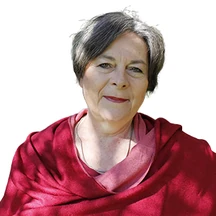
Atia is a degree-qualified counsellor with over 15 years experience working with individuals and couples. Compassionate and supportive, Atia supports her clients to develop self-awareness, empowering them to improve their wellbeing.
Individuals ✓Couples ✓Weekends ✓Czech ✓

Dinah is a degree-qualified counsellor with almost 10 years experience. Empathetic and optimistic, Dinah works in partnership with her clients, empowering them to bring about positive change and feel happier in their lives.
Individuals ✓After hours ✓

Jonathan is a tertiary-qualified counsellor with over 10 years experience working with adults and adolescents. Authentic and compassionate, Jonathan provides practical support, equipping clients with the skills and capacity to be their best.
Individuals ✓Weekends ✓

Revi holds a Master of Social Work (Counselling) and has over 20 years experience counselling both individuals and couples. Compassionate and client-centred, Revi is passionate about helping her clients navigate life’s challenges.
Individuals ✓Couples ✓After hours ✓Hebrew ✓

John is a tertiary-qualified counsellor and one of our most experienced therapists. John works with individuals and couples to build awareness of the patterns behind their decisions and lead more empowered and fulfilling lives. He is Gottman qualified.
Individuals ✓Couples ✓

Daniela is a Registered Psychologist with over 20 years’ experience. Warm, empathetic and deeply humanistic, she creates a space where clients feel genuinely heard, challenged and empowered to make meaningful change.
Individuals ✓Weekends ✓Portuguese ✓

Andrea is a Registered Psychologist with over 20 years experience working with individuals and couples. Andrea helps her clients process and regulate their emotions, working with mind and body to sustain long-lasting change.
Individuals ✓Couples ✓Weekends ✓German ✓
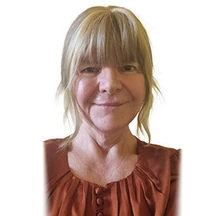
Rose is a Masters-qualified counsellor and Registered Mental Health Social Worker with over 20 years experience. Working with both individuals and couples, Rose empowers her clients to enhance their wellbeing and achieve their goals.
Individuals ✓Couples ✓

Di is a Masters-qualified counsellor with over 10 years private practice experience. Empathic and collaborative, she works alongside her clients to make sense of what they are facing and find a way forward.
Individuals ✓Couples ✓

Laura is a Masters-qualified counsellor with extensive experience. Known for her warm and grounded presence, Laura helps individuals, couples and parents to uncover their own capacity for healing and meaningful change.
Individuals ✓Couples ✓Weekends ✓

Chris is a Masters-qualified Counsellor and Psychotherapist who works with individuals and couples. Open and empathetic, Chris draws on his clients’ curiosity, creativity and inherent strengths to make a meaningful and empowering difference in their lives.
Individuals ✓Couples ✓After hours ✓
Ali is a Masters-qualified counsellor with over 15 years of experience. Calm and compassionate, Ali works with individuals and couples, helping them feel safe, understood and better equipped to move forward.
Individuals ✓Couples ✓Weekends ✓Arabic ✓
Alexandra is a degree-qualified counsellor and relationship therapist with 15 years of experience across government and not-for-profit services. Accepting and down-to-earth, Alexandra works with individuals and couples, inviting clients to come as they are and work towards meaningful change.
Individuals ✓Couples ✓Weekends ✓Greek ✓
Pauline is a Registered Counsellor with almost 20 years of experience in both New Zealand and Australia. Warm and caring, Pauline works with individuals, couples and families, helping them build understanding and stronger connections.
Individuals ✓Couples ✓Weekends ✓
Daniel is a tertiary-qualified counsellor with over 10 years of experience, working with both individuals and couples. Easy to talk to and quick to build trust, Daniel recognises each person’s strengths and helps them gain greater agency in their lives.
Individuals ✓Couples ✓After hours ✓
Sharon is a Registered Psychologist with over 15 years experience. Curious and supportive, Sharon looks beneath the distress rather than settling on a label, helping clients understand themselves and make lasting change.
Individuals ✓After hours ✓
Theodora is a Registered Psychologist with over 10 years of experience, working with both individuals and couples. Warm and compassionate, Theodora helps her clients make sense of their experiences and build stronger, more secure relationships.
Individuals ✓Couples ✓Weekends ✓Greek ✓
Not sure who to choose?
Weekdays 9am to 6pm, a person answers
After hours, or any time
We have practices across Sydney, the coast and the Illawarra, and a full telehealth team. Our intake specialists know who works with what, and they will point you to the right person, whether that is near home, near work or online.
Step 1
Call us weekdays between 9am and 6pm and one of our intake team picks up. They will ask what is going on and talk you through the options before you commit to anything.
Step 2
The fit between you and your therapist is the strongest thing we know of for making therapy work. We match on what you are facing, the approach you prefer, gender, language and how far you can travel.
Step 3
We confirm your booking in writing so that you know when and where you’ll be meeting your new therapist.
Chronic Insomnia: The second is Chronic Insomnia, which might last for months or even years, and may attack most nights.
Insomnia is easy to pick, because you know when you are not sleeping well. You probably also notice that you are tired during the day, and you may feel restless, irritable, or even depressed. You probably wake up feeling tired, lack concentration, and you may suffer from headaches. Many people with insomnia find themselves unable to get to sleep (or stay asleep) without the aid of a sleeping tablet.
Insomnia is a symptom, rather than a disorder in and of itself, and there are myriad causes.
Most commonly, insomnia is caused by your state of mind, anxiety, worry, grief or depression, or by pain caused by an accident or illness. Other causes of sleeplessness include certain medical conditions (including sleep aponea), the use of recreational drugs, caffeine, jetlag, or the impact of your physical environment, it might be too noisy, or the weather might be affecting your capacity to sleep well.
Pinpointing the cause of your insomnia is the first step to getting help, and getting help from the right source.
Fixing your insomnia might require the help of a counsellor or psychologist (if the problem relates to your mood, anxiety or pain management), or a medical practitioner (if the insomnia is being caused by a physical illness), but there are a few steps that anyone can take to improve their sleep.
1. Make sure your physical environment is comfortable and suitable for a good night’s sleep. Check that your mattress is in good condition, and that you have an appropriate pillow. If your room is hot, get a fan. If you room is cold, improve on your heating. Use earplugs if noise is a problem, or get thicker curtains or a blindfold to block out the light.
2. Consider cutting down on stimulants like coffee, alcohol and junk food, especially nearer to bedtime. Stay away from high-carb meals at dinnertime. Exercise regularly and try to keep regular hours. Avoid catnaps during the day, and take a warm bath before bed.
3. If you suffer from anxiety or worry, try these suggestions: write a list of all the things you need to do the next day, learn to meditate or try breathing exercises or other relaxation techniques. A counsellor or psychologist can help you with more practical tips and also help you understand the cause of your anxiety.
4. Look out for signs of depression. Sometimes depression causes insomnia, and other times long-standing insomnia will make you depressed. It is important to recognize depression so that you can seek professional help. Click here to take our simple depression test.
Your GP might prescribe sleeping pills to help you sleep. This will undoubtedly help you rest, but is rarely a solution, especially if your insomnia is chronic. Consult your doctor so that you are aware of the side-effects, and try to use this method irregularly or with the support of a counsellor.
Sleep apnoea is a sleeping disorder caused by the walls of the throat coming together during sleep, causing the sleeper to stop breathing for minutes at a time. This cessation of breath causes the person to have a restless sleep, effectively waking up countless times during the night in order to breath again.
People with sleep apnoea rarely know that they have the disorder and will rarely describe themselves as insomniacs. Instead, symptoms such as lack of concentration, tiredness and irritability lead people to consult their physician. A doctor can conduct a simple overnight test known as a polysomnogram. Some of the lifestyle changes described above can help repair sleep apnoea, or sufferers can wear a specially-designed mask while sleeping to aid breathing.
Sometimes, sleep issues or insomnia is caused by the underlying stress caused by anger, particularly if your anger is ‘bottled up’. A counsellor can help you work through your anger issues and allow you to lead a calmer life and sleep better.
It’s hard to know whether playing a game with yourself will stimulate your mind, or help you relax, but there must be some strength to the old adage “counting sleep”. Try recalling a painting or place in fine detail, or send your mind over your body, noticing every part of yourself. Visualise yourself in a field, or resting on a cloud. Try counting sheep.
If your insomnia is getting the better of you, try seeking professional help. A counsellor or psychologist is trained to work through issues of anxiety, stress, anger or grief, and can offer you practical as well as emotional solutions to help you sleep better. Contact Associated Counsellors & Psychologists today.
No referral is needed to start. For Medicare rebates, ask your GP about a Mental Health Treatment Plan. Please speak to our team about your options.
Most new clients are seen within days, sooner by telehealth. Many of our practices offer early morning, evening and weekend appointments, and our intake team will find the times that suit you.
Yes, you can choose either. You can see a clinician at one of our practices across Sydney, the coast and the Illawarra, or by video from anywhere in Australia, and many clients switch between the two.
Your clinician listens to what’s brought you in, asks about your goals, and agrees to a plan with you. There is never any pressure to share more than you’re ready to.
Sessions run for 55 minutes, and the fee depends on who you see. Counsellors start from $150, social workers and psychologists from $200, and clinical psychologists from $230. With a GP Mental Health Treatment Plan, a Medicare rebate may apply to sessions with a psychologist or a registered mental health social worker, so please speak to our staff about your options.
These are the things people come to us for.

Flat and exhausted, with no interest in things you used to enjoy.

Arguments that go round in circles, or drifting apart and not knowing how to talk about it.

We’ll help you spot triggers, slow the surge, and choose what happens next.

Drinking, drugs, gambling or porn that has got out of hand.

Days that feel chaotic, with everyday tasks harder than they should be.

Things that happened years ago that still affect how you feel now.

Compulsive sex or pornography use, and the issues that trigger it.

After a death, a diagnosis, or the end of something that mattered.

Food, weight and eating taking up more of the day than they should.

The full list of things our clinicians work with, across every practice and online.
Every clinician is fully registered and insured, and bound by their professional association's Code of Ethics, as our counsellor guarantee sets out.
Not sure which suits you? Speak to our team about your options.
Book with Sydney’s most trusted network
With a wealth of experience and a board of certified professionals, you know you’re in safe hands.
★★★★★Very quick with follow up call and helpful to get right practicioner
★★★★★Helpful and personalised booking service. made making a booking very easy
★★★★★Very pleasant to deal with and easy to make appointments with.
Reviews are shown as written, about our booking and matching service.
Choose a region to see its practices, their addresses and who works there.
Registered Counsellor
Petra is a Registered Counsellor and member of the Australian Counselling Association (ACA) with experience in various roles across the healthcare industry. She holds a Diploma from the Australian Institute of Professional Counsellors and a Graduate Diploma in Relationship Counselling, as well as advanced accreditations in grief & loss, addiction, abuse and eating disorders.
Petra has worked extensively with a diverse range of individuals across multiple organisations in both the aged care, clinical and charity sectors. Through her time at the Butterfly Foundation, Petra empowered her clients through evidence-based therapy to help them overcome negative eating patterns. Petra also has specific experience treating complex mental health in elderly clients, supporting them through issues such as trauma, grief and cognitive decline. Prior to her commencing a career in counselling, Petra worked in various roles within the corporate space, collaborating and liaising with an assortment of professionals, helping shape the person-centred approach she utlises in therapy today.
In private practice, Petra’s focus is to meet and understand where individuals are at in their lives, and best support them using a variety of therapeutic modalities including Cognitive Behavioural Therapy (CBT), Solutions Focused Therapy, ACT, Strengths Based Therapy and Narrative Therapy. In her sessions, Petra assists her clients in a range of concerns, including anger management, depression, anxiety, relationship concerns, grief & loss, self-esteem issues, workplace stress, as well as more complex mental health including eating disorders and addiction.
Petra is an insightful and altruistic counsellor, who believes everyone is unique in their counselling needs and, as such, aims to personalise each session to the individual. Creating safe, supportive and confidential spaces for people to engage, Petra uses empathy and understanding to support her clients in their mental health journey and onto more fulfilling lives.
Counsellor
$150 to $220
fee range, per 55-minute session
Please ask for the exact fee when you call.
No referral is needed, so you can start straight away. This fee does not attract a Medicare rebate. See the full fee table
Registered Psychologist
Howard is a Registered Psychologist with over 25 years experience in the provision of individual, couples and family therapy. He holds a Masters in Psychology from Sydney University and a Masters in Organisational Psychology from the University of New South Wales. He has also studied workplace counselling at the Australian Catholic University and undertaken training in couples and family therapy with Relationships Australia.
Howard has worked extensively in the public health, corporate and military sectors, as well as in the private sector. He has experience in a variety of modalities, including Cognitive Behavioural Therapy, Psychodrama, Psychoanalysis, Family Systems Therapy, Acceptance and Commitment Therapy and Organisational Change, and works eclectically across all these therapeutic forms to suit the individual needs of his clients.
He has worked successfully with clients presenting with a wide range of challenges including anxiety, workplace stress, depression, drug & alcohol addiction, trauma, anger and relationship problems. He uses a practical but supportive approach, aiming to assist his clients to achieve their goals as quickly as possible.
Howard works with his clients to help them achieve a richer, fuller and more meaningful life.
Psychologist
$200 to $265
fee range, per 55-minute session
Please ask for the exact fee when you call.
You may be eligible for a Medicare rebate. Your GP can assess you and write a Mental Health Treatment Plan. Tell us if you already have one when you book, and ask for a psychologist or a registered mental health social worker, because the rebate only covers those. See the full fee table
Counsellor & Relationship Therapist
Megan is a Registered Counsellor and member of the Australian Counselling Association. She holds a Diploma of Counselling from the Australian Institute of Counsellors, as well as advanced accreditations in a number of areas including suicide preventation, relationship counselling, conflict resolution, abuse and Aboriginal and Torres Strait Islander culture competence.
Throughout her career, Megan has worked extensively with a diverse range of clients in both the private and community health space. Prior to commencing private practice, Megan worked in corporate roles for a number of years, which required the facilitation of training programs and client management, helping her holistic and person-centred approach to counselling today.
In private practice, Megan creates a safe and empathetic atmosphere to facilitate the use of introspection to gain news understandings. Megan uses evidence-based interventions to observe and tailor her therapy to the individuals’ needs, as well as aid those in crisis to develop personalised long-term solutions. Her preferred approaches include Cognitive Behavioural Therapy (CBT), Solution Focused Therapy, Acceptance and Commitment Therapy (ACT), goal setting and Mindfulness. In her work with couples, Megan favours the Gottman approach
Megan is able to assist clients with a range of concerns, including depression, anxiety, relationships, intimacy, grief and loss, stress, body image, life skills, conflict resolution, as well as more complex mental health such as domestic violence and trauma. In her work with couples, Megan supports her clients to lessen conflict, increase intimacy and affection, remove barriers to feelings of stagnation and increase connection between partners.
Megan is a compassionate and altruistic practitioner focused on helping individuals and couples gain insight into their lives through a warm and empathetic approach. With a focus on building a trusting relationship and open environment in her sessions, Megan helps her clients to overcome life’s difficulties and live happier, more fulfilling lives.
Counsellor
$150 to $220
fee range, per 55-minute session
Please ask for the exact fee when you call.
No referral is needed, so you can start straight away. This fee does not attract a Medicare rebate. See the full fee table

Counsellor & Relationship Therapist
Claire is a Counsellor, Psychotherapist and Relationship Counsellor. She holds a Master of Counselling and Psychotherapy (ACAP) and a Bachelor of Liberal Arts and Science, majoring in Psychology, from the University of Sydney. She is a Professional Member of the Australian Counselling Association, a Certified Practising Registrant with the Psychotherapy and Counselling Federation of Australia, and a member of the International Centre for Excellence in Emotionally Focused Therapy.
Prior to training as a counsellor, Claire spent several years working in client-facing roles across the health technology and corporate sectors, including account management, client support and office administration, both in Australia and the UK. This experience gave her a solid grounding in listening closely to people and understanding what they need, something she draws on in her work with clients today.
As a counsellor in private practice, Claire works with both individuals and couples, supporting them with a range of concerns including anxiety, depression, grief, low self-worth, past trauma and interpersonal conflict. She has a particular interest in relationships, attachment and emotional connection.
Claire’s approach draws primarily on Emotionally Focused Therapy and EFIT, integrating psychodynamic, person-centred, trauma-informed and Gottman Method techniques. She describes her style as warm, collaborative and paced to the client, creating a space to explore what can be difficult to put into words, without judgement or pressure. Claire supports her clients toward greater self-understanding, emotional safety and healthier ways of relating over time.
Counsellor
$150 to $220
fee range, per 55-minute session
Please ask for the exact fee when you call.
No referral is needed, so you can start straight away. This fee does not attract a Medicare rebate. See the full fee table

Psychologist & Couples Counsellor
Naomi is a Registered Psychologist with over 20 years of experience. She holds a Bachelor of Arts (Psychology Honours) from Monash University and has been trained in a variety of therapies for individuals, couples, and families.
Having worked in both public settings and private practice, Naomi has the experience and training to assist her clients with a range of concerns, including, but not limited to, depression, anxiety, addictions, trauma, stress, self-esteem and relationships. Part of Naomi’s approach is to explore how her clients’ present issues have been influenced by their previous experiences.
When working with couples, Naomi aims to bring her clients into a space in which they can be oriented towards caring for, and empathising with, one another. She draws on Family Systems and Attachment theories to inform her approach, and she has been formally trained in Gottman Therapy.
Naomi also has a particular interest in perinatal mental health. She is a recognised provider of perinatal non-directive counselling, and her training in this area has provided her with the expertise to support individuals experiencing mental health issues before, during and after pregnancy.
Naomi’s personal therapeutic approach is warm, empathic and client-centred. She assists clients by drawing on their strengths and helping them develop the necessary skills required to overcome their difficulties, and improve coping.
Psychologist
$200 to $265
fee range, per 55-minute session
Please ask for the exact fee when you call.
You may be eligible for a Medicare rebate. Your GP can assess you and write a Mental Health Treatment Plan. Tell us if you already have one when you book, and ask for a psychologist or a registered mental health social worker, because the rebate only covers those. See the full fee table

Counsellor & Relationship Therapist
Christine is a professional counsellor and psychotherapist. She holds a Bachelor in Social Science, a Graduate Certificate in Psychotherapy Studies and is a member of the Australian Somatic Psychotherapy Association and the Australian Hypnotherapist’s Association.
Christine has over 20 years experience as a clinical counsellor in the public sector (for the NSW Police and Women’s Health) and in private practice. She has experience working with a range of client presentations, including self-esteem, trauma, grief, sexual abuse, domestic violence, parenting, relationship issues, anxiety, depression, post natal depression, workplace stress, disorders of the self and addictive behaviour.
Whilst Christine’s underlying framework is psychodynamic and humanist, she takes a client-centred approach to her therapeutic interventions and utilizes a variety of therapeutic approaches depending on the client’s specific issues and emotional capacity. Christine believes that each person’s requirements are unique and her therapy is guided by that belief. This is a collaborative approach, whereby Christine works together with the client to form a therapeutic alliance.
Both conscious and unconscious processes are explored as people are helped to manage their thoughts and emotions, and challenge patterns of behavior - enabling change, where desired, and better ways of being and living. When Christine works with couples, she uses a combined approach drawing on intra-psychic and systemic modalities, understanding the individuals and what happens between them as a system of relating.
Christine works with the client as a whole person, rather than as a set of ‘symptoms’ or ‘pathologies’ to be treated. People manifest their emotional difficulties in different forms in an effort to adapt. Christine focuses her therapy on what works and the resources people have within to draw from and help them to understand that they can make changes and improve their experience of life.
Counsellor
$150 to $220
fee range, per 55-minute session
Please ask for the exact fee when you call.
No referral is needed, so you can start straight away. This fee does not attract a Medicare rebate. See the full fee table

Counsellor & Relationship Therapist
Neri is a Registered Counsellor and Psychotherapist with more than 10 years experience in the mental health field. She holds extensive qualifications relevant to her work, including a Bachelor of Science (Psychology) from the University of Sydney, as well as both a Postgraduate Diploma of Counselling and a Master of Counselling and Psychotherapy. Neri is also a clinical member and accredited supervisor of the Psychotherapy and Counselling Federation of Australia.
Throughout her career, Neri has worked extensively with a diverse range of individuals, couples and families across multiple sectors, including public, private, community and corporate health. Prior to moving into private practice, Neri worked in a hospital setting, providing inpatient support to at-risk patients, using evidence-based mental health assessments to cater for their individual needs. She has also led, supported and supervised a variety of psychologically-based programs aimed at developing employment opportunities for NDIS participants.
In private practice, Neri focuses on empowering her clients using an integrated and person-centred approach, which includes such modalities as Solution-Focused Brief Therapy, Cognitive Behavioural Therapy (CBT), Mindfulness-Based Therapy and Psychodynamic methods. In her sessions, Neri assists her clients with a variety of concerns including depression, anxiety, stress, phobias, body image, harassment, chronic pain, gender issues, grief and loss, religious and identity concerns, as well as more complex mental health such as brain injuries, trauma and PTSD, addiction and dependencies. She has experience working with persons presenting on the autism spectrum or with intellectual disabilities.
In her work with couples, Neri believes in the strength of connectedness, and can assist clients with communication problems, parenting concerns, infidelidity, stagnation and sexual issues.
Neri is a compassionate and insightful counsellor, who aims to transform her clients’ situations through catering to their individual needs. Through creating trusting and safe environments during her sessions, Neri empowers her clients to move towards a happier and healthier life.
Counsellor
$150 to $220
fee range, per 55-minute session
Please ask for the exact fee when you call.
No referral is needed, so you can start straight away. This fee does not attract a Medicare rebate. See the full fee table

Registered Psychotherapist
Neera is a registered counsellor, psychotherapist, accredited professional coach, facilitator and educator with over 25 years of experience in the wellbeing space. As an experienced personal and professional development practitioner, she has more recently integrated her knowledge and formal qualifications in mindfulness, wellbeing and executive coaching into her role as a professional counsellor. Neera holds a Masters of Counselling & Psychotherapy and a Graduate Diploma in Counselling from Australian College of Applied Professions and a Graduate Certificate in Organisational Coaching & Leadership from Charles Sturt University.
Neera’s experience includes working in private psychiatric hospital settings, corporate settings, and now private practice. Her approach is also informed by a long term meditation practice and Jungian Analysis experience. As such, her approach to her work as a counsellor is trauma sensitive and attachment based, employing mindfulness, dream work and somatic (body based) awareness, where appropriate. Drawing on these skills, Neera is able to assist clients through a range of concerns, including life transition and change, grief and loss, attachment disorders, identity and personality issues, relationship issues and substance abuse, as well as anxiety, depression, stress and work-related concerns.
Neera has a warm, intuitive style and integrative counselling approach, drawing on decades of working with people. Neera works with clients by helping people make sense of their story and by grounding their sense of self in core values and purpose.
Counsellor
$150 to $220
fee range, per 55-minute session
Please ask for the exact fee when you call.
No referral is needed, so you can start straight away. This fee does not attract a Medicare rebate. See the full fee table
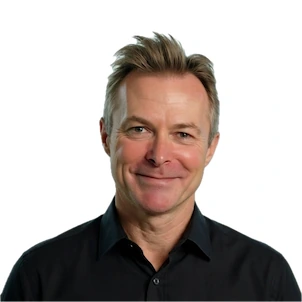
Registered Psychologist
Paul is a Registered Psychologist and a SIRA-accredited practitioner. He holds both a Graduate and Post-Graduate Diploma in Psychology from the University of New England and Charles Sturt University respectively, as well as a Diploma of Psychological Practice and a Masters of Business Administration from Macquarie University.
Prior to moving into the mental health industry, Paul worked within the corporate space for over two decades, managing teams in both the financial and communications sectors. From his time at various banking and media companies, Paul coordinated and collaborated with individuals from diverse backgrounds, helping shape his personalised approach to therapy today. Using such experiences with complex workplace dynamics, Paul has also tailored psychological interventions and assessments for workers compensation clients in their journey to recovery.
In private practice, Paul is passionate about supporting individuals through difficult life transitions and mental health challenges. Utilising a range of modalities, Paul primarily focuses on the Person-Centred approach in therapy, also drawing on elements of Cognitive Behavioural Therapy (CBT) and trauma-informed training. Within his sessions, Paul assists his clients in anxiety, depression, stress, perfectionism, workplace issues, relationships, as well as more complex presentations such as trauma and Post-Traumatic Stress Disorder (PTSD). For those clients presenting with trauma-related concerns, Paul is also trained to provide EMDR Therapy (Eye Movement Desensitisation and Reprocessing).
Paul is an empathetic and personable psychologist, dedicated to making meaningful changes to the lives of his clients. Through helping individuals better understand themselves and how they operate within their environment, Paul enables his patients toward positive change and personal growth.
Psychologist
$200 to $265
fee range, per 55-minute session
Please ask for the exact fee when you call.
You may be eligible for a Medicare rebate. Your GP can assess you and write a Mental Health Treatment Plan. Tell us if you already have one when you book, and ask for a psychologist or a registered mental health social worker, because the rebate only covers those. See the full fee table