
Wade is a tertiary-qualified Registered Counsellor with almost a decade of experience across hospital, community and private-practice settings. Warm and grounded, Wade works with individuals, creating a trusting space to allow for deep reflection.


Counselling, in person or online.
Most people seek out treatment for anger management because something happens in their personal life that tells them that there is a real issue with their anger. Or it can be mandated by a court of law or by an employer.
In many cases, people who seek treatment for anger management issues know that they have problems with anger, even if they do not want to acknowledge it outwardly. Anger issues can affect just about all aspects of life, including relationships, our ability to function consciously and clearly and our ability to make rational and logical decisions.
Counselling for anger management can take place as both individual one-on-one therapy or in group settings. It can also be either long term, where there is an opportunity to examine our anger in depth, or short term, where we learn how to identify when we are feeling anger and the triggers to getting angry.
No matter what approach is taken with anger management, most often the goal is to reduce out of control feelings of anger and angry outbursts.
On this page you can go on and read one client’s experience with anger and how they used anger management counselling to regain control. You can also read our general overview of anger management counselling, about anger and alcohol, our anger management tips.
We see people for anger at our Hornsby, Parramatta, Earlwood, Ryde and Surry Hills practices, and online.
Wade is a tertiary-qualified Registered Counsellor with almost a decade of experience across hospital, community and private-practice settings. Warm and grounded, Wade works with individuals, creating a trusting space to allow for deep reflection.
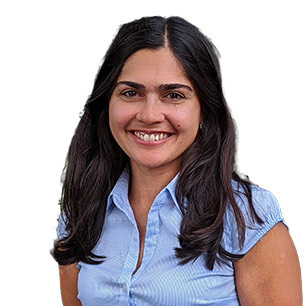
Petra is a highly skilled, tertiary-qualified counsellor with almost 10 years experience supporting clients' mental health. Insightful and altruistic, Petra creates a safe space to support her clients to lead more fulfilling lives.
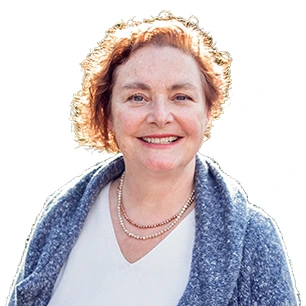
Andrea is a Registered Psychologist with over 20 years experience working with individuals and couples. Andrea helps her clients process and regulate their emotions, working with mind and body to sustain long-lasting change.
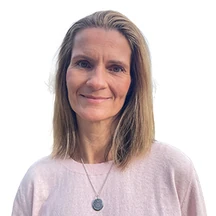
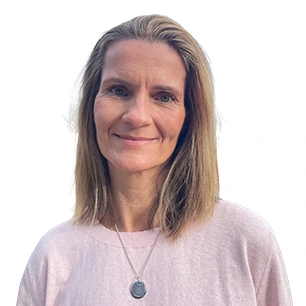
Silvia is a Registered Counsellor & Psychotherapist with qualifications in counselling, psychology and Somatic Experiencing®. Compassionate and supportive, Silvia works with individuals to manage life’s challenges.
Individuals ✓After hours ✓
Ali is a Masters-qualified counsellor with over 15 years of experience. Calm and compassionate, Ali works with individuals and couples, helping them feel safe, understood and better equipped to move forward.
Individuals ✓Couples ✓Weekends ✓Arabic ✓
Alexandra is a degree-qualified counsellor and relationship therapist with 15 years of experience across government and not-for-profit services. Accepting and down-to-earth, Alexandra works with individuals and couples, inviting clients to come as they are and work towards meaningful change.
Individuals ✓Couples ✓Weekends ✓Greek ✓
Theodora is a Registered Psychologist with over 10 years of experience, working with both individuals and couples. Warm and compassionate, Theodora helps her clients make sense of their experiences and build stronger, more secure relationships.
Individuals ✓Couples ✓Weekends ✓Greek ✓

Neri is a Masters-qualified counsellor and psychotherapist with over 10 years experience working with both individuals and couples. Compassionate and insightful, Neri empowers her clients to transform their lives and relationships.
Individuals ✓Couples ✓After hours ✓Vietnamese ✓

Paul is a Registered Psychologist and SIRA-accredited practitioner with a background in the corporate space. Empathetic and personable, Paul is dedicated to supporting meaningful change in the lives of his clients.
Individuals ✓After hours ✓

Megan is a Registered Counsellor with extensive experience supporting individuals and couples. Warm and empathetic, Megan uses an evidence-based, person-centred approach to help clients gain insight and create meaningful change. She is also an Accredited Mediator.
Individuals ✓Couples ✓After hours ✓

Christine is a tertiary-qualified counsellor with over 20 years experience working with individuals and couples. She emphasises a collaborative approach to therapy, working with the client as an active partner in their treatment.
Individuals ✓Couples ✓Weekends ✓
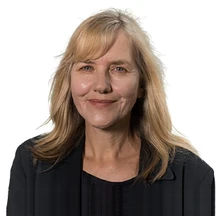
Jennifer is a Masters-qualified counsellor with many years of experience. Collaborative and process-orientated, Jenny works with both individual and couples clients to develop healthier relationships with themselves and with others.
Individuals ✓Couples ✓After hours ✓
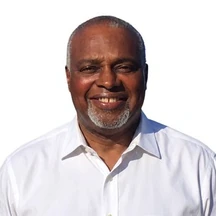
Howard is a Registered Psychologist with over 25 years experience working with individuals, couples and families. He uses a practical but supportive approach, aiming to assist his clients to achieve their goals as quickly as possible.
Individuals ✓Couples ✓Weekends ✓

Sue is a Masters-qualified counsellor. Compassionate and authentic, Sue supports individuals to better understand the interplay between their internal world and their external relationships.
Individuals ✓After hours ✓
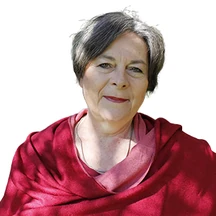
Atia is a degree-qualified counsellor with over 15 years experience working with individuals and couples. Compassionate and supportive, Atia supports her clients to develop self-awareness, empowering them to improve their wellbeing.
Individuals ✓Couples ✓Weekends ✓Czech ✓

Graciela is a Masters-qualified counsellor with over 15 years experience working with individuals and couples. With a gentle approach, Graciela helps her clients develop awareness and gain control of their lives and relationships.
Individuals ✓Couples ✓Weekends ✓Spanish ✓

Claire is a Masters-qualified Registered Counsellor and Psychotherapist working with individuals and couples on relationships, attachment and emotional wellbeing. Warm and collaborative, she creates a supportive space for clients to work through what feels difficult, at their own pace.
Individuals ✓Couples ✓Weekends ✓

Jonathan is a tertiary-qualified counsellor with over 10 years experience working with adults and adolescents. Authentic and compassionate, Jonathan provides practical support, equipping clients with the skills and capacity to be their best.
Individuals ✓Weekends ✓

David is a Masters-qualified Clinical Psychologist. Warm, authentic and non-judgemental, David supports his clients by carefully attuning to their needs, and imparting practical skills to build emotional insight and wellbeing.
Individuals ✓After hours ✓

Mike has a Doctorate in Clinical Psychology and over 20 years experience working with individuals and couples. His success as a counsellor is consistently demonstrated by the deep clinical relationship he has with clients.
Individuals ✓Couples ✓After hours ✓

Neera is a Masters-qualified psychotherapist. Empathetic, thoughtful and intuitive, Neera works with individuals to strengthen their identity and reshape patterns.
Individuals ✓

Revi holds a Master of Social Work (Counselling) and has over 20 years experience counselling both individuals and couples. Compassionate and client-centred, Revi is passionate about helping her clients navigate life’s challenges.
Individuals ✓Couples ✓After hours ✓Hebrew ✓

Dinah is a degree-qualified counsellor with almost 10 years experience. Empathetic and optimistic, Dinah works in partnership with her clients, empowering them to bring about positive change and feel happier in their lives.
Individuals ✓After hours ✓

John is a tertiary-qualified counsellor and one of our most experienced therapists. John works with individuals and couples to build awareness of the patterns behind their decisions and lead more empowered and fulfilling lives. He is Gottman qualified.
Individuals ✓Couples ✓
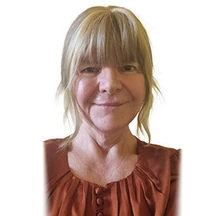
Rose is a Masters-qualified counsellor and Registered Mental Health Social Worker with over 20 years experience. Working with both individuals and couples, Rose empowers her clients to enhance their wellbeing and achieve their goals.
Individuals ✓Couples ✓

Di is a Masters-qualified counsellor with over 10 years private practice experience. Empathic and collaborative, she works alongside her clients to make sense of what they are facing and find a way forward.
Individuals ✓Couples ✓

Gaul is an Accredited Mental Health Social Worker with over 17 years experience supporting individuals, couples and families, in hospital settings and private practice. Transparent, curious and collaborative, he works in partnership with his clients.
Individuals ✓Couples ✓

Chris is a Masters-qualified Counsellor and Psychotherapist who works with individuals and couples. Open and empathetic, Chris draws on his clients’ curiosity, creativity and inherent strengths to make a meaningful and empowering difference in their lives.
Individuals ✓Couples ✓After hours ✓

Daniela is a Registered Psychologist with over 20 years’ experience. Warm, empathetic and deeply humanistic, she creates a space where clients feel genuinely heard, challenged and empowered to make meaningful change.
Individuals ✓Weekends ✓Portuguese ✓
David is a Registered Psychologist with more than 20 years of experience working with leaders and the organisations they run. Thoughtful and attentive, David helps his clients reconnect with a sense of purpose and belonging.
Individuals ✓Weekends ✓
Daniel is a tertiary-qualified counsellor with over 10 years of experience, working with both individuals and couples. Easy to talk to and quick to build trust, Daniel recognises each person’s strengths and helps them gain greater agency in their lives.
Individuals ✓Couples ✓After hours ✓
Pauline is a Registered Counsellor with almost 20 years of experience in both New Zealand and Australia. Warm and caring, Pauline works with individuals, couples and families, helping them build understanding and stronger connections.
Individuals ✓Couples ✓Weekends ✓
Sharon is a Registered Psychologist with over 15 years experience. Curious and supportive, Sharon looks beneath the distress rather than settling on a label, helping clients understand themselves and make lasting change.
Individuals ✓After hours ✓
Not sure who to choose?
Weekdays 9am to 6pm, a person answers
After hours, or any time
We have practices across Sydney, the coast and the Illawarra, and a full telehealth team. Our intake specialists know who works with what, and they will point you to the right person, whether that is near home, near work or online.
Step 1
Call us weekdays between 9am and 6pm and one of our intake team picks up. They will ask what is going on and talk you through the options before you commit to anything.
Step 2
The fit between you and your therapist is the strongest thing we know of for making therapy work. We match on what you are facing, the approach you prefer, gender, language and how far you can travel.
Step 3
We confirm your booking in writing so that you know when and where you’ll be meeting your new therapist.
Reggie is in his late 50s. He seems to be angry at life. His wife died five years ago and his children spend little time with him now that she is gone. Reggie does not really understand why he is so alone at this point in his life, but he does know that he is angry about it.
Reggie has a large problem with anger. He yells and screams at his assistant when she makes small mistakes. He is a manager at a medium-sized financial consulting firm and he expects perfection from his employees. They cringe when the realize they have made a mistake and he calls them into his office.
The final straw came when Reggie had an out-of-control outburst and his assistant ran from his office crying. Reggie’s own manager happened to be walking past his office and had stopped to listen to the confrontation.
Within a matter of hours, Reggie had his own confrontation with his manager and was told that he had to get anger management counselling if he wanted to keep his job. They offered to pay for the counselling through their employee assistance program, provided that he finished the entire course of counselling.
Reggie stopped to think carefully before he accepted. Although he did not want to admit it, his own doctor had warned him that his problems with anger, combined with high blood pressure, could lead to a stroke.
Although he was miserable in his life at this point, he did not want to die or risk being unable to take care of himself just because he could not control his feelings of anger. So he accepted his employer’s demand and called the therapist they had recommended.
When he arrived for his first appointment, Reggie had expected the therapist to be a long haired hippie-type, but instead was pleasantly surprised to find a middle aged woman who was conservatively dressed who greeted him. She introduced herself as Melissa and invited him into her office.
She carefully explained the process of short term therapy and her confidentiality policy. Reggie was relieved to find out that she would not be revealing the details of their sessions to his employer, but instead only reported that he had attended the counselling sessions.
Melissa asked Reggie to explain why he was seeking treatment and what had triggered his anger that day. As he explained Reggie began to realize that he really did not know precisely what had made him so angry that morning, only that he was so angry that he felt like his head was going to explode.
Melissa nodded with understanding and prompted him to continue talking and just tell her what he was thinking and anything else that might relate to his angry outbursts. With time, Reggie began to relax. He was quite relieved that the therapist wanted to hear his story and did not seem interested in lecturing him about his bad behaviour.
Over the course of the next several weeks, Melissa worked with Reggie on what it feels like to be angry. She provided him with educational materials about what happens biologically in the body when we become angry and how it affects blood pressure, heart rate and the “fight or flight” instinctual response. She also helped Reggie identify what his response was to those biological urges when he became angry.
Melissa also assigned homework for Reggie to complete between sessions. She asked him to keep a log of every time he became angry for a week.
Reggie was unpleasantly surprised to discover that he got angry almost every day and usually several times each day. Although he knew he had a problem, he had not thought it was all that bad. Now he had it facing him in black and white.
As Melissa helped Reggie become more self aware, he began to change his reactions when he became angry. She taught him alternative behaviours that were more healthy for him and for the person he was angry at.
She taught him how to be responsible for his own feelings by using “I” statements that identified his feelings to the person he was talking to. She also talked him about the difference between being aggressive and being assertive.
At the end of eight weeks of treatment, Reggie had completed the anger management program required by his employer. Melissa invited Reggie to continue longer term counselling if he wanted to gain a better understanding of the underlying reasons for his ongoing anger issues.
Reggie agreed that if he was going to regain any type of relationship with his children, he was going to have to be able to examine and understand why he had been so angry for so long. He agreed to continue seeing Reggie for an undetermined amount of time so that he could understand himself better.
Reggie was under mandate from his employer to attend anger management counselling so that he could perform his job and related better to his coworkers. Although Reggie realized he had a problem, he had not recognized the depth of the problem until he attended the anger management counselling.
Counselling helped him begin to understand how anger affected his body and his reactions to other people. Additionally, he was able to learn how to identify when he was getting angry and engage in alternative behaviours that were healthier for everyone involved.
If you or someone you care about has issues with anger, you or they may benefit from consulting with a professionally trained counsellor, therapist or psychologist. If you would like more information or to schedule an appointment, please contact Associated Counsellors & Psychologists Sydney.
No referral is needed to start. For Medicare rebates, ask your GP about a Mental Health Treatment Plan. Please speak to our team about your options.
Most new clients are seen within days, sooner by telehealth. Many of our practices offer early morning, evening and weekend appointments, and our intake team will find the times that suit you.
Yes, you can choose either. You can see a clinician at one of our practices across Sydney, the coast and the Illawarra, or by video from anywhere in Australia, and many clients switch between the two.
Your clinician listens to what’s brought you in, asks about your goals, and agrees to a plan with you. There is never any pressure to share more than you’re ready to.
Sessions run for 55 minutes, and the fee depends on who you see. Counsellors start from $150, social workers and psychologists from $200, and clinical psychologists from $230. With a GP Mental Health Treatment Plan, a Medicare rebate may apply to sessions with a psychologist or a registered mental health social worker, so please speak to our staff about your options.
These are the things people come to us for.

Worry you cannot switch off, or panic that arrives out of nowhere.

Flat and exhausted, with no interest in things you used to enjoy.

Arguments that go round in circles, or drifting apart and not knowing how to talk about it.

Drinking, drugs, gambling or porn that has got out of hand.

Days that feel chaotic, with everyday tasks harder than they should be.

Things that happened years ago that still affect how you feel now.

Compulsive sex or pornography use, and the issues that trigger it.

After a death, a diagnosis, or the end of something that mattered.

Food, weight and eating taking up more of the day than they should.

The full list of things our clinicians work with, across every practice and online.
Every clinician is fully registered and insured, and bound by their professional association's Code of Ethics, as our counsellor guarantee sets out.
Not sure which suits you? Speak to our team about your options.
Book with Sydney’s most trusted network
With a wealth of experience and a board of certified professionals, you know you’re in safe hands.
★★★★★The booking process was seamless. The staff are very friendly and helpful. Would recommend!
★★★★★The process of booking a psychologist was very straight forward and easy. Thank you
★★★★★Booking procedure was professional, respectful, attentive and informative. Nothing negative to say at all.
Reviews are shown as written, about our booking and matching service.
Choose a region to see its practices, their addresses and who works there.
Counsellor & Psychotherapist
Wade is a Counsellor and Psychotherapist, registered with PACFA. He holds a Bachelor of Counselling from the Australian College of Applied Psychology and a Graduate Diploma of Mental Health and Neuroscience from the University of the Sunshine Coast, with extensive advanced training in Internal Family Systems (IFS) therapy.
Wade’s career began in hospital and community mental health settings, including several years leading a therapeutic program and multidisciplinary team. This gave him broad experience supporting people through a wide range of life challenges before he moved into private practice.
Since moving into private practice, Wade works with individuals, supporting them with a range of concerns including anxiety, stress and burnout, low mood, grief, relationship and attachment difficulties, and past trauma. He has a particular interest in trauma, attachment, men’s health and addiction-related concerns.
Wade’s approach draws primarily on Internal Family Systems, integrating trauma-informed, attachment-based, psychodynamic, EMDR, and polyvagal-informed techniques. He works deeply and relationally with his clients, taking the time to understand what’s beneath the surface and build a genuine sense of trust and connection. He believes lasting change comes through the relationship itself, not just the techniques used within it.
Wade describes his style as clear, honest and human, creating a space paced to each client where they can explore what’s present for them without judgement or pressure.
Counsellor
$150 to $220
fee range, per 55-minute session
Please ask for the exact fee when you call.
No referral is needed, so you can start straight away. This fee does not attract a Medicare rebate. See the full fee table
Registered Counsellor
Petra is a Registered Counsellor and member of the Australian Counselling Association (ACA) with experience in various roles across the healthcare industry. She holds a Diploma from the Australian Institute of Professional Counsellors and a Graduate Diploma in Relationship Counselling, as well as advanced accreditations in grief & loss, addiction, abuse and eating disorders.
Petra has worked extensively with a diverse range of individuals across multiple organisations in both the aged care, clinical and charity sectors. Through her time at the Butterfly Foundation, Petra empowered her clients through evidence-based therapy to help them overcome negative eating patterns. Petra also has specific experience treating complex mental health in elderly clients, supporting them through issues such as trauma, grief and cognitive decline. Prior to her commencing a career in counselling, Petra worked in various roles within the corporate space, collaborating and liaising with an assortment of professionals, helping shape the person-centred approach she utlises in therapy today.
In private practice, Petra’s focus is to meet and understand where individuals are at in their lives, and best support them using a variety of therapeutic modalities including Cognitive Behavioural Therapy (CBT), Solutions Focused Therapy, ACT, Strengths Based Therapy and Narrative Therapy. In her sessions, Petra assists her clients in a range of concerns, including anger management, depression, anxiety, relationship concerns, grief & loss, self-esteem issues, workplace stress, as well as more complex mental health including eating disorders and addiction.
Petra is an insightful and altruistic counsellor, who believes everyone is unique in their counselling needs and, as such, aims to personalise each session to the individual. Creating safe, supportive and confidential spaces for people to engage, Petra uses empathy and understanding to support her clients in their mental health journey and onto more fulfilling lives.
Counsellor
$150 to $220
fee range, per 55-minute session
Please ask for the exact fee when you call.
No referral is needed, so you can start straight away. This fee does not attract a Medicare rebate. See the full fee table
Psychologist & Couples Counsellor
Andrea is a registered psychologist with over 20 years experience in the field. She holds a Bachelor of Arts (Psychology), a Postgraduate Diploma in Psychology, and a Diploma in Sexual Health Counselling from ASSERT. She also completed a comprehensive one-year training course in Ellyn Bader’s Developmental Model of Couples Therapy.
Andrea has worked in private practice since 1999. She sees both individuals and couples and is able to provide both short-term and long-term therapy, as well as psycho-education, advice and support for people in emotional or relationship distress, sexual counselling services, and trauma-informed therapy.
Andrea uses a holistic approach which combines behavioural, interpersonal and mind-body therapies in her professional interactions with clients. She helps to locate the underlying emotional and physical responses to a particular problem, working at a deep level with both mind and body in order to effect long-lasting change. To this end, Andrea utilises her training in Inner Space Techniques - a form of meditative body-oriented therapy that helps to access these core emotional undercurrents within the body as well as change repetitive thought patterns.
She is also able to help her clients process and regulate their emotions, understand their negative patterns of behaviour, develop better communication strategies and increase their body awareness.
Andrea is experienced in working with a range of client presentations, including depression, anxiety, grief, stress, sexual difficulties, anger and complex trauma (including sexual trauma). Andrea is also an accredited sexual health counsellor.
As a relationship counsellor, she is able to support couples through all sorts of relationship issues, including infidelity, intimacy, arguments and communication problems.
Andrea is also highly experienced in dealing with the psychological repercussions associated with body-image, desire, sexual trauma and gynecological problems (including pregnancy issues, miscarriage, termination and menopause).
Psychologist
$200 to $265
fee range, per 55-minute session
Please ask for the exact fee when you call.
You may be eligible for a Medicare rebate. Your GP can assess you and write a Mental Health Treatment Plan. Tell us if you already have one when you book, and ask for a psychologist or a registered mental health social worker, because the rebate only covers those. See the full fee table
Registered Counsellor
Silvia is a Registered Counsellor and Psychotherapist with the Psychotherapy and Counselling Federation of Australia. She holds a Graduate Diploma in Counselling from the Australian College of Applied Psychology (Sydney), a Bachelor of Psychology and Sociology from Greenwich University (London) and is currently working towards full certification as a Somatic Experiencing® practitioner with Somatic Experiencing® International.
Silvia’s journey of connecting with her authentic self, self-discovery and curating conscious relationships inspired her to help others navigate their own challenges. She has since obtained experience in various mental health settings including for Not-for-Profit organisations, in-patient services at South Pacific Private Hospital, as a grief counsellor, and as a school counsellor.
Silvia brings a wealth of knowledge, insight and life experience to her work in private practice. She is experienced working with a wide range of concerns including depression, anxiety, stress, addiction, trauma, bereavement, self-esteem, anger management, life transitions, addictions, eating disorders and relationship issues. Silvia also has expertise in group facilitation and regularly facilitates programs on wide-ranging topics such as emotional regulation, negative core beliefs, co-dependency and parenting. Silvia’s work has been featured in Australian magazines including Marie Claire, Women’s Weekly and Body + Soul.
As an Integrative and Trauma-Informed therapist, in her work, Silvia draws on various approaches, including Gestalt Therapy, Psychodynamic Therapy, Somatic Experiencing® techniques, and Family Systems Therapy. She also draws on Attachment Theory, Polyvagal Theory, Inner Child Work, and Mindfulness-based techniques.
Silvia is a warm, supportive and compassionate counsellor, who tailors her approach to meet the unique needs and circumstances of each client. She is passionate about fostering a sense of self, healing relational wounds and conflicts, and resolving unfinished business from the past through a safe and caring therapeutic relationship.
Silvia can help to guide you to foster resilience, cultivate inner balance and develop new ways of responding to life’s situations.
Counsellor
$150 to $220
fee range, per 55-minute session
Please ask for the exact fee when you call.
No referral is needed, so you can start straight away. This fee does not attract a Medicare rebate. See the full fee table
Counsellor & Couples Therapist
Ali is a Registered Counsellor, Psychotherapist and Couples Therapist with over 15 years experience in the mental health industry. He holds both a Bachelor of Psychology and a Masters of Counselling and Psychotherapy, both from University of Western Sydney, as well as various accreditations in treating trauma.
Ali has worked as a treating counsellor in the government, not-for-profit and education sectors including at STARTTS Refugee Support Service, the Royal Commission into Defence and Veteran Suicide, the Department of Communities and Justice, and the Public Health department. This experience has fashioned his collaborative approach and ability to to assess and treat individuals from diverse backgrounds. Drawing on his advanced knowledge of trauma-informed counselling, Ali has experience supporting various vulnerable populations, including both war veterans, refugees and at-risk youth.
In private practice, Ali is passionate about educating his clients on mental health, coping strategies and self-care techniques to facilitate positive growth and change. Drawing on a range of modalities to suit his client’s needs, Ali tends to preference the use of Cognitive Behavioural Therapy (CBT), Psychodynamic Therapy, Mindfulness, Trauma-Focused Therapies and Narrative Therapy. In his sessions, Ali assists his clients with a variety of concerns, including depression, anxiety, Obsessive Compulsive Disorder (OCD), Post-Traumatic Stress Disorder (PTSD), mood disorders, anger, as well as substance abuse and behavioural addictions.
Working with couples, Ali combines Emotionally Focused Couples Therapy (EFT) and the evidence based Gottman approach to understand the dynamic within each relationship and to support couples with a range of concerns, including communication, arguments, parenting, intimacy, stagnation and infidelity.
Ali is an altruistic therapist, striving to act with empathy and guidance when supporting his clients. By aiding individuals through times of emotional, psychological and behavioural challenges, Ali helps foster positive changes and support his patients to lead happier and healthier lives.
Counsellor
$150 to $220
fee range, per 55-minute session
Please ask for the exact fee when you call.
No referral is needed, so you can start straight away. This fee does not attract a Medicare rebate. See the full fee table
Counsellor & Relationship Counsellor
Alexandra is a highly experienced Registered Counsellor, Psychotherapist and Relationship Counsellor, who holds a Bachelor of Counselling, Psychotherapy and Human Change, as well as various diplomas in Group Work and Facilitation, Problem Gambling and Couples Counselling.
Alexandra has worked extensively with complex and diverse clients providing psychoeducation within government and non-government settings, working mainly for non-profit organisations. She has worked as a bilingual cross-cultural counsellor for NSW Health, speaking both English and Greek, and has worked in counselling and group therapy roles for St Vincents de Paul, Nepean Local Health District and Relationships Australia.
Alexandra has an emotionally client-centred perspective to her therapeutic process, creating safe, respectful and confidential environments to conduct her counselling sessions. Drawing on a variety of modalities, she uses a systematic approach based on Attachment Theory, Solution Focused Behavioural Therapy, as well as Cognitive Behavioural Therapy. Through her years of experience, Alexandra assists her clients in a wide array of concerns, including depression, anxiety, stress management, grief & loss, work related issues, as well as more complex mental health such as trauma, abuse, schizophrenia and chronic pain management.
Through her career at Relationships Australia, Alexandra has extensive experience working with couples, from both traditional and same sex relationships, with a focus on issues like communication, intimacy problems, parenting difficulties and infidelity.
Alexandra instills a ‘come as you are’ mantra, often using a holistic approach to tailor her sessions to her clients’ personal needs for the best possible outcome, as well as supporting them moving forward with their lives.
Counsellor
$150 to $220
fee range, per 55-minute session
Please ask for the exact fee when you call.
No referral is needed, so you can start straight away. This fee does not attract a Medicare rebate. See the full fee table
Psychologist & Relationship Counsellor
Theodora is a Registered Psychologist with over 10 years of experience. She holds a Bachelor of Arts (Psychology) from Macquarie University and a Postgraduate diploma in Psychology from the University of Western Sydney.
Prior to working in private practice, Theodora worked in community and non-government organisations supporting individuals, couples and families in the areas of mental health, family and youth services, and relationship counselling. Through her experience, Theodora gained the skills to assist her clients with issues such as depression, anxiety, stress, relationships, anger management and grief. Theodora has also worked extensively with survivors of domestic violence, and she specialises in trauma therapy.
Theodora also specialises in relationship counselling. She has completed a Graduate Diploma in Couple and Family Therapy, and worked as a relationship counsellor for Relationships Australia for 7 years. Theodora provides support to couples presenting with a wide range of concerns, including affairs and betrayals, dysfunctional communication, intimacy and parenting.
Theodora is trained to provide a wide range of therapeutic modalities adapted to the needs of her clients. These include: Systems Theory, Acceptance and Commitment Therapy, Cognitive Behavioural Therapy, and Emotional/Affect Regulation Therapy.
In her work with both individuals and couples, Theodora recognises that her clients wish to understand their presenting issues and make sense of their lives. She aims to assist her clients in understanding the why of their situation and the how to affect change, often drawing from theories related to childhood experience and attachment.
Psychologist
$200 to $265
fee range, per 55-minute session
Please ask for the exact fee when you call.
You may be eligible for a Medicare rebate. Your GP can assess you and write a Mental Health Treatment Plan. Tell us if you already have one when you book, and ask for a psychologist or a registered mental health social worker, because the rebate only covers those. See the full fee table

Counsellor & Relationship Therapist
Neri is a Registered Counsellor and Psychotherapist with more than 10 years experience in the mental health field. She holds extensive qualifications relevant to her work, including a Bachelor of Science (Psychology) from the University of Sydney, as well as both a Postgraduate Diploma of Counselling and a Master of Counselling and Psychotherapy. Neri is also a clinical member and accredited supervisor of the Psychotherapy and Counselling Federation of Australia.
Throughout her career, Neri has worked extensively with a diverse range of individuals, couples and families across multiple sectors, including public, private, community and corporate health. Prior to moving into private practice, Neri worked in a hospital setting, providing inpatient support to at-risk patients, using evidence-based mental health assessments to cater for their individual needs. She has also led, supported and supervised a variety of psychologically-based programs aimed at developing employment opportunities for NDIS participants.
In private practice, Neri focuses on empowering her clients using an integrated and person-centred approach, which includes such modalities as Solution-Focused Brief Therapy, Cognitive Behavioural Therapy (CBT), Mindfulness-Based Therapy and Psychodynamic methods. In her sessions, Neri assists her clients with a variety of concerns including depression, anxiety, stress, phobias, body image, harassment, chronic pain, gender issues, grief and loss, religious and identity concerns, as well as more complex mental health such as brain injuries, trauma and PTSD, addiction and dependencies. She has experience working with persons presenting on the autism spectrum or with intellectual disabilities.
In her work with couples, Neri believes in the strength of connectedness, and can assist clients with communication problems, parenting concerns, infidelidity, stagnation and sexual issues.
Neri is a compassionate and insightful counsellor, who aims to transform her clients’ situations through catering to their individual needs. Through creating trusting and safe environments during her sessions, Neri empowers her clients to move towards a happier and healthier life.
Counsellor
$150 to $220
fee range, per 55-minute session
Please ask for the exact fee when you call.
No referral is needed, so you can start straight away. This fee does not attract a Medicare rebate. See the full fee table

Registered Psychologist
Paul is a Registered Psychologist and a SIRA-accredited practitioner. He holds both a Graduate and Post-Graduate Diploma in Psychology from the University of New England and Charles Sturt University respectively, as well as a Diploma of Psychological Practice and a Masters of Business Administration from Macquarie University.
Prior to moving into the mental health industry, Paul worked within the corporate space for over two decades, managing teams in both the financial and communications sectors. From his time at various banking and media companies, Paul coordinated and collaborated with individuals from diverse backgrounds, helping shape his personalised approach to therapy today. Using such experiences with complex workplace dynamics, Paul has also tailored psychological interventions and assessments for workers compensation clients in their journey to recovery.
In private practice, Paul is passionate about supporting individuals through difficult life transitions and mental health challenges. Utilising a range of modalities, Paul primarily focuses on the Person-Centred approach in therapy, also drawing on elements of Cognitive Behavioural Therapy (CBT) and trauma-informed training. Within his sessions, Paul assists his clients in anxiety, depression, stress, perfectionism, workplace issues, relationships, as well as more complex presentations such as trauma and Post-Traumatic Stress Disorder (PTSD). For those clients presenting with trauma-related concerns, Paul is also trained to provide EMDR Therapy (Eye Movement Desensitisation and Reprocessing).
Paul is an empathetic and personable psychologist, dedicated to making meaningful changes to the lives of his clients. Through helping individuals better understand themselves and how they operate within their environment, Paul enables his patients toward positive change and personal growth.
Psychologist
$200 to $265
fee range, per 55-minute session
Please ask for the exact fee when you call.
You may be eligible for a Medicare rebate. Your GP can assess you and write a Mental Health Treatment Plan. Tell us if you already have one when you book, and ask for a psychologist or a registered mental health social worker, because the rebate only covers those. See the full fee table