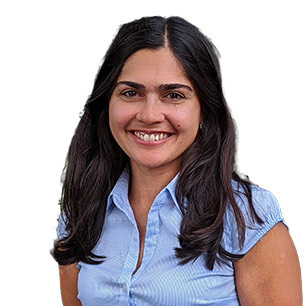
Petra is a highly skilled, tertiary-qualified counsellor with almost 10 years experience supporting clients' mental health. Insightful and altruistic, Petra creates a safe space to support her clients to lead more fulfilling lives.


Counselling, in person or online.
Alcohol & Drug Addiction
Diagnosis of alcohol or drug addictions is generally based on the extent of the person’s drug or alcohol problem. Milder cases are generally referred to as “Substance Abuse”, whereas more acute cases are called “Substance Dependence”.
It is common that when people become addicted to drugs (including alcohol) they are either in denial about their addiction, or entirely blind to the situation. As a result, addiction is rarely self-diagnosed. Instead, addiction is better discussed with an objective and professional psychologist, counsellor or other mental health professional.
When a psychologist, counsellor, doctor or psychiatrist is asked to diagnose a situation of drug or alcohol addiction, they will consider whether or not the addicted person suffers from either or both of Tolerance or Withdrawal.

Tolerance
TOLERANCE occurs when, over time, a drug or alcohol user requires more and more of the substance to get the same effect or ‘high’ that they previously achieved with much less.
For example, a person might now be able to drink 8 drinks before they get drunk, whereas they previously only needed 4. Or a person might need 2 or 3 pills to achieve the desired ‘high’ from taking the drug known as Ecstacy, whereas they previously got ‘high’ from only one.
We see people for addiction at our Parramatta, Stanhope Gardens, Ryde, Earlwood and Hornsby practices, and online.
Some of the signs of alcohol and drug use people describe.
Petra is a highly skilled, tertiary-qualified counsellor with almost 10 years experience supporting clients' mental health. Insightful and altruistic, Petra creates a safe space to support her clients to lead more fulfilling lives.
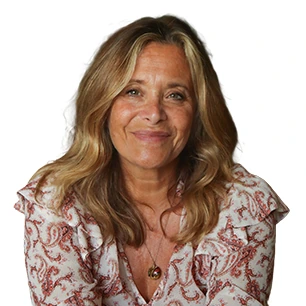
Sue is a Masters-qualified counsellor. Compassionate and authentic, Sue supports individuals to better understand the interplay between their internal world and their external relationships.

Wade is a tertiary-qualified Registered Counsellor with almost a decade of experience across hospital, community and private-practice settings. Warm and grounded, Wade works with individuals, creating a trusting space to allow for deep reflection.
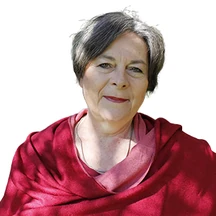
Atia is a degree-qualified counsellor with over 15 years experience working with individuals and couples. Compassionate and supportive, Atia supports her clients to develop self-awareness, empowering them to improve their wellbeing.
Individuals ✓Couples ✓Weekends ✓Czech ✓
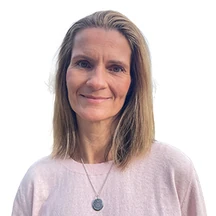
Silvia is a Registered Counsellor & Psychotherapist with qualifications in counselling, psychology and Somatic Experiencing®. Compassionate and supportive, Silvia works with individuals to manage life’s challenges.
Individuals ✓After hours ✓
Alexandra is a degree-qualified counsellor and relationship therapist with 15 years of experience across government and not-for-profit services. Accepting and down-to-earth, Alexandra works with individuals and couples, inviting clients to come as they are and work towards meaningful change.
Individuals ✓Couples ✓Weekends ✓Greek ✓

David is a Masters-qualified Clinical Psychologist. Warm, authentic and non-judgemental, David supports his clients by carefully attuning to their needs, and imparting practical skills to build emotional insight and wellbeing.
Individuals ✓After hours ✓
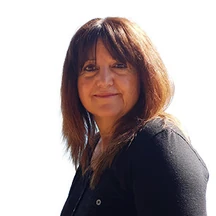
Revi holds a Master of Social Work (Counselling) and has over 20 years experience counselling both individuals and couples. Compassionate and client-centred, Revi is passionate about helping her clients navigate life’s challenges.
Individuals ✓Couples ✓After hours ✓Hebrew ✓
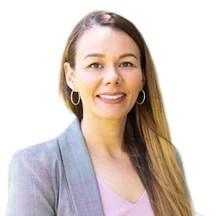
Graciela is a Masters-qualified counsellor with over 15 years experience working with individuals and couples. With a gentle approach, Graciela helps her clients develop awareness and gain control of their lives and relationships.
Individuals ✓Couples ✓Weekends ✓Spanish ✓
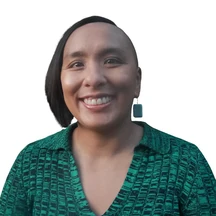
Jenna is an Accredited Mental Health Social Worker with over 15 years' experience across government health services and private practice. Warm and trauma-informed, Jenna works with individuals and couples to build safety, understanding and stronger connection, and build more secure connections with themselves and others.
Individuals ✓Couples ✓After hours ✓

Neri is a Masters-qualified counsellor and psychotherapist with over 10 years experience working with both individuals and couples. Compassionate and insightful, Neri empowers her clients to transform their lives and relationships.
Individuals ✓Couples ✓After hours ✓Vietnamese ✓
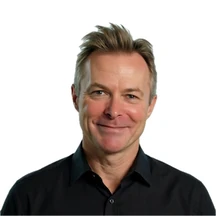
Paul is a Registered Psychologist and SIRA-accredited practitioner with a background in the corporate space. Empathetic and personable, Paul is dedicated to supporting meaningful change in the lives of his clients.
Individuals ✓After hours ✓

Naomi is a Registered Psychologist with over 20 years experience. Warm, empathetic and client-centred, Naomi works with individuals and couples to draw on their strengths to overcome difficulties. She is Gottman certified.
Individuals ✓Couples ✓

Jonathan is a tertiary-qualified counsellor with over 10 years experience working with adults and adolescents. Authentic and compassionate, Jonathan provides practical support, equipping clients with the skills and capacity to be their best.
Individuals ✓Weekends ✓
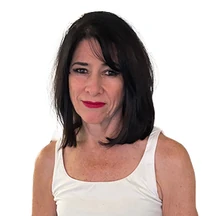
Christine is a tertiary-qualified counsellor with over 20 years experience working with individuals and couples. She emphasises a collaborative approach to therapy, working with the client as an active partner in their treatment.
Individuals ✓Couples ✓Weekends ✓

Claire is a Masters-qualified Registered Counsellor and Psychotherapist working with individuals and couples on relationships, attachment and emotional wellbeing. Warm and collaborative, she creates a supportive space for clients to work through what feels difficult, at their own pace.
Individuals ✓Couples ✓Weekends ✓
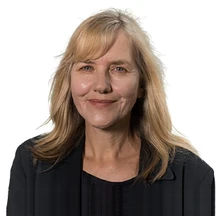
Jennifer is a Masters-qualified counsellor with many years of experience. Collaborative and process-orientated, Jenny works with both individual and couples clients to develop healthier relationships with themselves and with others.
Individuals ✓Couples ✓After hours ✓

Mike has a Doctorate in Clinical Psychology and over 20 years experience working with individuals and couples. His success as a counsellor is consistently demonstrated by the deep clinical relationship he has with clients.
Individuals ✓Couples ✓After hours ✓

Dinah is a degree-qualified counsellor with almost 10 years experience. Empathetic and optimistic, Dinah works in partnership with her clients, empowering them to bring about positive change and feel happier in their lives.
Individuals ✓After hours ✓
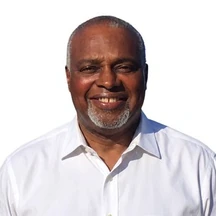
Howard is a Registered Psychologist with over 25 years experience working with individuals, couples and families. He uses a practical but supportive approach, aiming to assist his clients to achieve their goals as quickly as possible.
Individuals ✓Couples ✓Weekends ✓

Chris is a Masters-qualified Counsellor and Psychotherapist who works with individuals and couples. Open and empathetic, Chris draws on his clients’ curiosity, creativity and inherent strengths to make a meaningful and empowering difference in their lives.
Individuals ✓Couples ✓After hours ✓

Gaul is an Accredited Mental Health Social Worker with over 17 years experience supporting individuals, couples and families, in hospital settings and private practice. Transparent, curious and collaborative, he works in partnership with his clients.
Individuals ✓Couples ✓
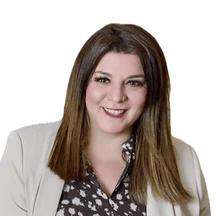
Daniela is a Registered Psychologist with over 20 years’ experience. Warm, empathetic and deeply humanistic, she creates a space where clients feel genuinely heard, challenged and empowered to make meaningful change.
Individuals ✓Weekends ✓Portuguese ✓
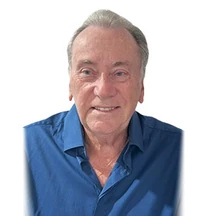
John is a tertiary-qualified counsellor and one of our most experienced therapists. John works with individuals and couples to build awareness of the patterns behind their decisions and lead more empowered and fulfilling lives. He is Gottman qualified.
Individuals ✓Couples ✓
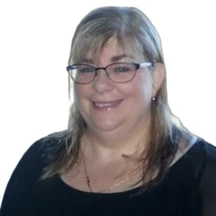
Di is a Masters-qualified counsellor with over 10 years private practice experience. Empathic and collaborative, she works alongside her clients to make sense of what they are facing and find a way forward.
Individuals ✓Couples ✓
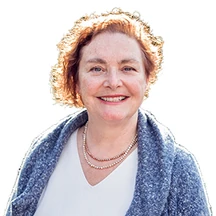
Andrea is a Registered Psychologist with over 20 years experience working with individuals and couples. Andrea helps her clients process and regulate their emotions, working with mind and body to sustain long-lasting change.
Individuals ✓Couples ✓Weekends ✓German ✓
Ali is a Masters-qualified counsellor with over 15 years of experience. Calm and compassionate, Ali works with individuals and couples, helping them feel safe, understood and better equipped to move forward.
Individuals ✓Couples ✓Weekends ✓Arabic ✓
Theodora is a Registered Psychologist with over 10 years of experience, working with both individuals and couples. Warm and compassionate, Theodora helps her clients make sense of their experiences and build stronger, more secure relationships.
Individuals ✓Couples ✓Weekends ✓Greek ✓
Sharon is a Registered Psychologist with over 15 years experience. Curious and supportive, Sharon looks beneath the distress rather than settling on a label, helping clients understand themselves and make lasting change.
Individuals ✓After hours ✓
Daniel is a tertiary-qualified counsellor with over 10 years of experience, working with both individuals and couples. Easy to talk to and quick to build trust, Daniel recognises each person’s strengths and helps them gain greater agency in their lives.
Individuals ✓Couples ✓After hours ✓
David is a Registered Psychologist with more than 20 years of experience working with leaders and the organisations they run. Thoughtful and attentive, David helps his clients reconnect with a sense of purpose and belonging.
Individuals ✓Weekends ✓
Pauline is a Registered Counsellor with almost 20 years of experience in both New Zealand and Australia. Warm and caring, Pauline works with individuals, couples and families, helping them build understanding and stronger connections.
Individuals ✓Couples ✓Weekends ✓
Not sure who to choose?
Weekdays 9am to 6pm, a person answers
After hours, or any time
We have practices across Sydney, the coast and the Illawarra, and a full telehealth team. Our intake specialists know who works with what, and they will point you to the right person, whether that is near home, near work or online.
Step 1
Call us weekdays between 9am and 6pm and one of our intake team picks up. They will ask what is going on and talk you through the options before you commit to anything.
Step 2
The fit between you and your therapist is the strongest thing we know of for making therapy work. We match on what you are facing, the approach you prefer, gender, language and how far you can travel.
Step 3
We confirm your booking in writing so that you know when and where you’ll be meeting your new therapist.
Typically, the result of increased tolerance is increased drug use, which of course only serves to further increase tolerance over time, a potentially vicious cycle for many drug and alcohol users. If you are noticing a tolerance for drugs or alcohol, you may wish to seek counselling from a Psychologist or Counsellor with experience in addictions therapy.
Withdrawal
WITHDRAWAL is the term used to describe the physiological and psychological effects that some drug and alcohol users may have when they stop drinking or using. These negative effects or symptoms include:
• Sweating
• Increased heart rate
• Anxiety and intense agitation
• hand tremours
• insomnia
• vomiting
• hallucinations
• seizures (in severe cases).
A person experiencing withdrawal will also feel a powerful craving to take drugs or drink alcohol, particularly as the taking of the drug will provide immediate relief for the symptoms of withdrawal. Indeed, withdrawal can be such an intense and awful experience, that it can be very difficult to pass through, and even harder to consider experiencing again.
Again, if you are concerned about withdrawal from drugs or alcohol, this should be a clear sign to you to seek help from an addictions therapist like a counsellor or psychologist, or to see your Doctor to assist you in managing a withdrawal process.
A person who has an increased tolerance to a substance (they need more and more to get an effect), and who suffers the symptoms of withdrawal (they feel physically worse when not using), will generally be diagnosed as suffering from Substance Dependence.
In both cases of Substance Abuse and Substance Dependence, the substance use will be having a significant impact on the daily life of the addicted person, on their relationships, their friends and/or their working lives.
If you are worried about yourself, or a loved one, you may wish to look out for the following behaviours to get an indication of whether addiction is present.
Does the person:
• regularly fail to show up for social or work commitments and use a variety of excuses that seem implausible,
• borrow, steal take money or fail to account for money without an obvious cause
• seem moody or are they acting differently to their usual manner.
You can also check yourself or others for physical indicators of addiction although these vary with the drug used. They may include:
• changes in skin colour or infections
• markings on the skin including lines on one’s arms or legs (if the person is using intravenously)
• blood shot eyes, or constricted pupils
• constant sniffling
• constant tiredness or slurring of speech or lack of coordination
• hyperactivity, agitation or restlessness
• smelling of drugs or alcohol
• finding drug related products or paraphernalia
Medical evidence of addiction can also be gathered by a treating doctor through blood and urine tests. If you think that a person you know might be addicted to alcohol or a drug, diagnosis can be an important step because it helps the person to acknowledge their addiction, and it helps medical and therapeutic practitioners to better treat the problem.
Getting an addict to attend at a doctor or psychologist to obtain a diagnosis or receive treatment can be an extremely difficult first step. This is because people with drug or alcohol problems are often very secretive about their use, and, if confronted, will often deny that they have a problem.
Counselling can be an extremely effective way to help addicts get over their addiction. Naturally if a person is heavily addicted to alcohol, prescription medication or other hard drugs like heroin, a period of supervised medical withdrawal may be required before they are able to undergo counselling.
However, it has been shown that motivational enhancement therapy is an effective counselling treatment for drug users who are still in denial about their addiction.
A good guide as to whether a client is suited to treatment by one of our associated counsellors or psychologist may be whether the person is willing to come to the appointment and whether they are able to attend sober and free of the influence of drugs or alcohol.
If this is not possible the person may benefit from seeking assistance from their local hospital drug and alcohol department who are likely to have a greater range of resources including inpatient facilities, medical practitioners and psychiatrists, who are better able to coordinate care for clients showing severe dependence with a high likelihood of experiencing significant physical withdrawal symptoms.
To enquire about addictions counselling by qualified and professional Counsellors & Psychologists in Sydney call Associated Counsellors & Psychologists Sydney. We welcome your enquiry.
American Psychiatric Association. (1994). Diagnostic and statistical manual of mental disorders, fourth edition. Washington, DC: American Psychiatric Association.
Benshoff, J. J., & Janikowski, T. P. (2000) The Rehabilitation Model Of Substance Abuse Counseling. Australia; Brooks/Cole, Thompson Learning
Jarvis, T. J., Tebbutt, J., & Mattick, R, (1995) Treatment Approaches For Alcohol And Drug Dependence: An Introductory Guide. Chickchester; John Wiley & Sons
Schuckit, M. A, (1995) Drug And Alcohol Abuse: A Clinical Guide To Diagnosis And Treatment (4th edition). New York & London; Plenum Medical Book Company
No referral is needed to start. For Medicare rebates, ask your GP about a Mental Health Treatment Plan. Please speak to our team about your options.
Most new clients are seen within days, sooner by telehealth. Many of our practices offer early morning, evening and weekend appointments, and our intake team will find the times that suit you.
Yes, you can choose either. You can see a clinician at one of our practices across Sydney, the coast and the Illawarra, or by video from anywhere in Australia, and many clients switch between the two.
Your clinician listens to what’s brought you in, asks about your goals, and agrees to a plan with you. There is never any pressure to share more than you’re ready to.
Sessions run for 55 minutes, and the fee depends on who you see. Counsellors start from $150, social workers and psychologists from $200, and clinical psychologists from $230. With a GP Mental Health Treatment Plan, a Medicare rebate may apply to sessions with a psychologist or a registered mental health social worker, so please speak to our staff about your options.
These are the things people come to us for.

Worry you cannot switch off, or panic that arrives out of nowhere.

Flat and exhausted, with no interest in things you used to enjoy.

Arguments that go round in circles, or drifting apart and not knowing how to talk about it.

We’ll help you spot triggers, slow the surge, and choose what happens next.

Days that feel chaotic, with everyday tasks harder than they should be.

Things that happened years ago that still affect how you feel now.

Compulsive sex or pornography use, and the issues that trigger it.

After a death, a diagnosis, or the end of something that mattered.

Food, weight and eating taking up more of the day than they should.

The full list of things our clinicians work with, across every practice and online.
Every clinician is fully registered and insured, and bound by their professional association's Code of Ethics, as our counsellor guarantee sets out.
Not sure which suits you? Speak to our team about your options.
★★★★★Very lovely over the phone , it was my first time booking in and the lady made it very easy and welcoming!! i can’t wait to start my counseling here (prices are also quite good and affordable considering how expensive it can be at other places…)
★★★★★Very pleased with the ease of matching me with an appropriate counsellor at the time and location that was suitable. Received a call back from a web enquiry within 2hours. The girls on the phone were very warm, polite and understanding. Would recommend.
★★★★★The service rep was extremely kind and dedicated. She took the time to listen to my needs and concerns and matched me up with a therapist who fit the description and specific skill set I was hoping for! Thanks guys
Reviews are shown as written, about our booking and matching service.
Choose a region to see its practices, their addresses and who works there.
Registered Counsellor
Petra is a Registered Counsellor and member of the Australian Counselling Association (ACA) with experience in various roles across the healthcare industry. She holds a Diploma from the Australian Institute of Professional Counsellors and a Graduate Diploma in Relationship Counselling, as well as advanced accreditations in grief & loss, addiction, abuse and eating disorders.
Petra has worked extensively with a diverse range of individuals across multiple organisations in both the aged care, clinical and charity sectors. Through her time at the Butterfly Foundation, Petra empowered her clients through evidence-based therapy to help them overcome negative eating patterns. Petra also has specific experience treating complex mental health in elderly clients, supporting them through issues such as trauma, grief and cognitive decline. Prior to her commencing a career in counselling, Petra worked in various roles within the corporate space, collaborating and liaising with an assortment of professionals, helping shape the person-centred approach she utlises in therapy today.
In private practice, Petra’s focus is to meet and understand where individuals are at in their lives, and best support them using a variety of therapeutic modalities including Cognitive Behavioural Therapy (CBT), Solutions Focused Therapy, ACT, Strengths Based Therapy and Narrative Therapy. In her sessions, Petra assists her clients in a range of concerns, including anger management, depression, anxiety, relationship concerns, grief & loss, self-esteem issues, workplace stress, as well as more complex mental health including eating disorders and addiction.
Petra is an insightful and altruistic counsellor, who believes everyone is unique in their counselling needs and, as such, aims to personalise each session to the individual. Creating safe, supportive and confidential spaces for people to engage, Petra uses empathy and understanding to support her clients in their mental health journey and onto more fulfilling lives.
Counsellor
$150 to $220
fee range, per 55-minute session
Please ask for the exact fee when you call.
No referral is needed, so you can start straight away. This fee does not attract a Medicare rebate. See the full fee table
Registered Counsellor
Sue is a Registered Counsellor and Psychotherapist and a member of PACFA (Psychotherapy & Counselling Federation of Australia). She holds a Graduate Diploma in Counselling from ACAP University College in which she was National DUX, and a Masters of Counselling and Psychotherapy.
Prior to starting a private practice, Sue worked in hospital settings where she gained significant experience in a broad range of presentations including trauma, addiction, anxiety, depression, grief and loss, and relationship issues. In this role she facilitated group therapy sessions as well as one-on-one trauma-informed psychotherapy sessions, and also facilitated patient workshops and lectures. Sue has also worked with renowned experiential trauma programme facilitators across the United States, United Kingdom and Australia.
When working with clients, Sue takes an integrative, trauma-informed and person-centered approach. She also uses a psychodynamic relational model and employs the dynamic interplay between internal world and relational experiences. At times, Sue will also engage creative techniques, narrative therapy and Gestalt therapies to facilitate new ways of processing and expressing feelings.
Prior to her work as a counsellor, Sue worked for 25 years running creative businesses in both design and recruitment where she honed her ability to tailor innovative solutions to individual needs, and build trust-based relationships - skills she now brings to her therapeutic practice.
Sue is compassionate and an authentic counsellor, focussed on creating a supportive environment for her clients to promote personal growth and recovery. Sue is passionate about helping her clients reconnect with their sense of self and purpose.
Counsellor
$150 to $220
fee range, per 55-minute session
Please ask for the exact fee when you call.
No referral is needed, so you can start straight away. This fee does not attract a Medicare rebate. See the full fee table
Counsellor & Psychotherapist
Wade is a Counsellor and Psychotherapist, registered with PACFA. He holds a Bachelor of Counselling from the Australian College of Applied Psychology and a Graduate Diploma of Mental Health and Neuroscience from the University of the Sunshine Coast, with extensive advanced training in Internal Family Systems (IFS) therapy.
Wade’s career began in hospital and community mental health settings, including several years leading a therapeutic program and multidisciplinary team. This gave him broad experience supporting people through a wide range of life challenges before he moved into private practice.
Since moving into private practice, Wade works with individuals, supporting them with a range of concerns including anxiety, stress and burnout, low mood, grief, relationship and attachment difficulties, and past trauma. He has a particular interest in trauma, attachment, men’s health and addiction-related concerns.
Wade’s approach draws primarily on Internal Family Systems, integrating trauma-informed, attachment-based, psychodynamic, EMDR, and polyvagal-informed techniques. He works deeply and relationally with his clients, taking the time to understand what’s beneath the surface and build a genuine sense of trust and connection. He believes lasting change comes through the relationship itself, not just the techniques used within it.
Wade describes his style as clear, honest and human, creating a space paced to each client where they can explore what’s present for them without judgement or pressure.
Counsellor
$150 to $220
fee range, per 55-minute session
Please ask for the exact fee when you call.
No referral is needed, so you can start straight away. This fee does not attract a Medicare rebate. See the full fee table
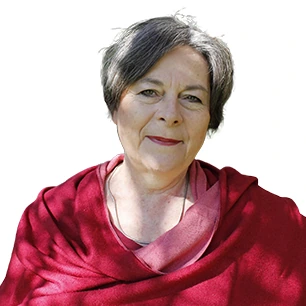
Counsellor & Relationship Therapist
Atia is a psychotherapist and counsellor. She has over 15 years of experience providing support to individuals, couples and families. She holds a Bachelor of Social Sciences (Counselling) from the Australian College of Applied Psychology and is a clinical member of the Psychotherapy and Counselling Federation of Australia (PACFA).
Prior to moving to private practice, Atia worked as a counsellor across multiple organisations, providing support to a diversity of individuals, including refugees and asylum seekers, carers of individuals living with complex mental illness and adult survivors of child abuse. Atia has expertise in providing effective treatment for issues such as anxiety, depression, PTSD, addictions, grief, sleep, low self-esteem and relationships. She also specialises in trauma, with extensive experience supporting survivors of psychological, sexual and physical abuse, assault and domestic violence. In her work with couples, Atia works with issues such as communication, separation and divorce, infertility and life transitions.
Atia is trained in a range of therapeutic approaches, including Existential Therapy, Dialectical Behaviour Therapy (DBT), Mindfulness, Narrative Therapy, and Art Therapy. She employs an eclectic holistic approach to treatment, adapting her skills and knowledge to best suit the treatment needs of her clients.
In her work with clients, Atia aims to encourage insight and self-awareness, and improve her clients’ self-esteem, creativity, self-care, empathy, critical thinking, and the ability to adjust to challenging circumstances. With an emphasis on being a compassionate, non-judgmental and present therapist, she hopes to provide her clients with control over their journey to address their issues in a safe and empowering manner.
Counsellor
$150 to $220
fee range, per 55-minute session
Please ask for the exact fee when you call.
No referral is needed, so you can start straight away. This fee does not attract a Medicare rebate. See the full fee table
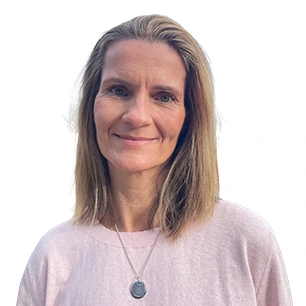
Registered Counsellor
Silvia is a Registered Counsellor and Psychotherapist with the Psychotherapy and Counselling Federation of Australia. She holds a Graduate Diploma in Counselling from the Australian College of Applied Psychology (Sydney), a Bachelor of Psychology and Sociology from Greenwich University (London) and is currently working towards full certification as a Somatic Experiencing® practitioner with Somatic Experiencing® International.
Silvia’s journey of connecting with her authentic self, self-discovery and curating conscious relationships inspired her to help others navigate their own challenges. She has since obtained experience in various mental health settings including for Not-for-Profit organisations, in-patient services at South Pacific Private Hospital, as a grief counsellor, and as a school counsellor.
Silvia brings a wealth of knowledge, insight and life experience to her work in private practice. She is experienced working with a wide range of concerns including depression, anxiety, stress, addiction, trauma, bereavement, self-esteem, anger management, life transitions, addictions, eating disorders and relationship issues. Silvia also has expertise in group facilitation and regularly facilitates programs on wide-ranging topics such as emotional regulation, negative core beliefs, co-dependency and parenting. Silvia’s work has been featured in Australian magazines including Marie Claire, Women’s Weekly and Body + Soul.
As an Integrative and Trauma-Informed therapist, in her work, Silvia draws on various approaches, including Gestalt Therapy, Psychodynamic Therapy, Somatic Experiencing® techniques, and Family Systems Therapy. She also draws on Attachment Theory, Polyvagal Theory, Inner Child Work, and Mindfulness-based techniques.
Silvia is a warm, supportive and compassionate counsellor, who tailors her approach to meet the unique needs and circumstances of each client. She is passionate about fostering a sense of self, healing relational wounds and conflicts, and resolving unfinished business from the past through a safe and caring therapeutic relationship.
Silvia can help to guide you to foster resilience, cultivate inner balance and develop new ways of responding to life’s situations.
Counsellor
$150 to $220
fee range, per 55-minute session
Please ask for the exact fee when you call.
No referral is needed, so you can start straight away. This fee does not attract a Medicare rebate. See the full fee table
Counsellor & Relationship Counsellor
Alexandra is a highly experienced Registered Counsellor, Psychotherapist and Relationship Counsellor, who holds a Bachelor of Counselling, Psychotherapy and Human Change, as well as various diplomas in Group Work and Facilitation, Problem Gambling and Couples Counselling.
Alexandra has worked extensively with complex and diverse clients providing psychoeducation within government and non-government settings, working mainly for non-profit organisations. She has worked as a bilingual cross-cultural counsellor for NSW Health, speaking both English and Greek, and has worked in counselling and group therapy roles for St Vincents de Paul, Nepean Local Health District and Relationships Australia.
Alexandra has an emotionally client-centred perspective to her therapeutic process, creating safe, respectful and confidential environments to conduct her counselling sessions. Drawing on a variety of modalities, she uses a systematic approach based on Attachment Theory, Solution Focused Behavioural Therapy, as well as Cognitive Behavioural Therapy. Through her years of experience, Alexandra assists her clients in a wide array of concerns, including depression, anxiety, stress management, grief & loss, work related issues, as well as more complex mental health such as trauma, abuse, schizophrenia and chronic pain management.
Through her career at Relationships Australia, Alexandra has extensive experience working with couples, from both traditional and same sex relationships, with a focus on issues like communication, intimacy problems, parenting difficulties and infidelity.
Alexandra instills a ‘come as you are’ mantra, often using a holistic approach to tailor her sessions to her clients’ personal needs for the best possible outcome, as well as supporting them moving forward with their lives.
Counsellor
$150 to $220
fee range, per 55-minute session
Please ask for the exact fee when you call.
No referral is needed, so you can start straight away. This fee does not attract a Medicare rebate. See the full fee table

Clinical Psychologist
David is a Clinical Psychologist and an accredited member of the Australian Clinical Psychology Association. He holds a Bachelor of Arts with Honours from the University of New England, and a Masters of Clinical Psychology from Western Sydney University.
Prior to re-training as a psychologist, David worked as a professional musician, a role he credits as endowing him with high-level listening skills. These skills he brings to his work in the mental health space, where he has practiced in both both in hospital settings (in-patient and out-patient) and also in private practice. In these environments, David has gained experience counselling a diverse range of clients of different ages and from a variety of socioeconomic and cultural backgrounds. He has also provided telephone support for families affected by drug and alcohol concerns in a voluntary capacity. Together, these experiences have helped shape his personalised approach to therapy.
In private practice, David is passionate about supporting individuals through their mental health challenges and life’s challenges. Drawing on a range of modalities, David primarily focuses on Cognitive Behavioural Therapy (CBT) but also draws on modalities such as Acceptance and Commitment Therapy (ACT), Dialectical Behaviour Therapy (DBT), and Psychodynamic Theory.
David can support clients with a variety of concerns, including depression, anxiety, grief and loss, OCD, ADHD, relationships, anger, addiction, stress, as well as more complex presentations such as Post-Traumatic Stress Disorder (PTSD) and personality disorders.
David is an authentic, warm and non-judgemental psychologist. Whilst he uses various therapeutic modalities to frame his practice, his focus remains on the therapeutic relationship, ensuring that his client’s unique experiences, feelings, thoughts, and beliefs shape his ultimate approach to their therapy. By listening and accounting for his client’s viewpoints, David helps his clients overcome their problems through positive change.
Clinical psychologist
$230 to $245
fee range, per 55-minute session
Please ask for the exact fee when you call.
You may be eligible for a Medicare rebate. Your GP can assess you and write a Mental Health Treatment Plan. Tell us if you already have one when you book, and ask for a psychologist or a registered mental health social worker, because the rebate only covers those. See the full fee table
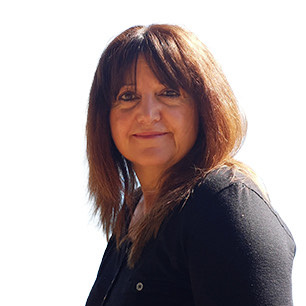
Counsellor & Relationship Therapist
Revi is a professional Psychotherapist and Counsellor and an Accredited Mental Health Social Worker, with over two decades of experience counselling both individuals and couples. Revi holds both a Bachelor of Arts in Social Work and a Masters of Social Work (Counselling).
Revi is experienced in working with a range of presentations including anxiety, stress, trauma, depression, relationship dynamics, conflict resolution and family support. She is an experienced relationship therapist. She also has experience in veteran and family counselling, addressing substance misuse and transition challenges. Additionally, Revi has worked with corporate clients providing workplace mental health support and has experience with critical incident responses and as an EAP provider.
As a counsellor, Revi is compassionate, holistic and client-centred. She utilises various evidence-based approaches including, Cognitive Behavioural Therapy, Acceptance and Commitment Therapy, Mindfulness, Trauma-Informed care, the Gottman Method of relationship therapy, and Imago.
Revi tailors her services to meet each of her client’s unique needs and works collaboratively to create a supportive and empowering environment during her sessions. Revi is passionate about helping her clients navigate life’s challenges, foster resilience and achieve personal growth.
Counsellor
$150 to $220
fee range, per 55-minute session
Please ask for the exact fee when you call.
No referral is needed, so you can start straight away. This fee does not attract a Medicare rebate. See the full fee table
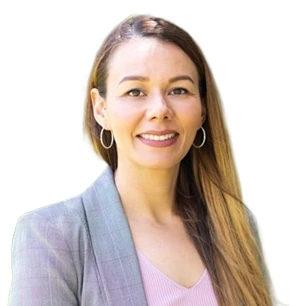
Counsellor & Relationship Therapist
Graciela is a Registered Counsellor and couples therapist, with over 15 years experience in the mental health space. She holds both a Bachelor of Social Work from the University of Western Sydney, an Advanced Diploma in Individual and Family Counselling, and a Masters in Counselling from Monash University.
Beginning her career in the government sector, Graciela assessed, supervised and treated vulnerable members of the population, developing programs and interventions for at-risk youth and victims of domestic violence. From her time at the Department of Juvenile Justice, Graciela provided individualised counselling to clients from diverse backgrounds, developing her personalised approach to therapy today.
In private practice, Graciela’s approach to therapy is founded in pragmatism, focusing on empowering her clients to achieve their goals, develop resilience and strengthen their emotional and mental health to overcome life’s challenges. Utilising an eclectic mix of modalities, Graciela prioritises approaches such as Cognitive Behavioural Therapy (CBT), Psychodynamic Psychotherapy, Trauma Informed Therapy, Systemic Family Therapy, Acceptance and Commitment Therapy (ACT) and Emotionally Focused Therapy (EFT). Within her sessions, Graciela can assist clients in a range of concerns, including depression, anxiety, self-esteem, relationship issues, career/transition issues, as well as more complex mental health such as trauma, suicidal ideation and victims of domestic violence.
As a couples and family therapist, Graciela is passionate about seeing relationships develop, often aiding her clients in communication, stagnation, intimacy concerns, arguments and identifying key concerns inhibiting connection.
Graciela is a warm and empathetic practitioner whose gentle and gracious approach encourages clients to feel at ease within her sessions. Through developing her patients’ awareness and understanding of their own circumstances, Graciela enables individuals to explore their presenting concerns and gain control over their life and relationships for the better.
Counsellor
$150 to $220
fee range, per 55-minute session
Please ask for the exact fee when you call.
No referral is needed, so you can start straight away. This fee does not attract a Medicare rebate. See the full fee table